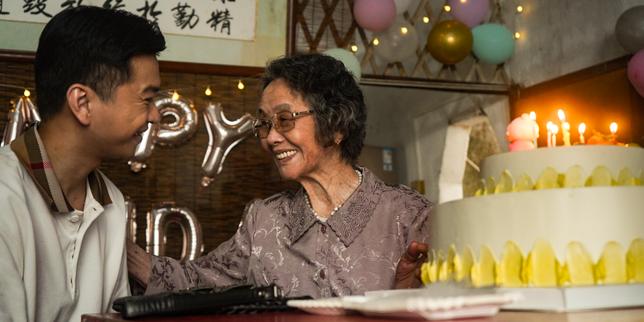
Grandmother's love letters aren't just old paper. They are ticking time bombs of family history.
When you sit down to watch a story dealing with traditional Chinese values clashing with modern secrets, you expect predictable tears. You expect quiet weeping by a window and dramatic slaps over dinner. But Lettres d’amour de ma grand-mère avoids those lazy tropes. It digs straight into the messy truth of what happens when generations collide over hidden truths.
Most people write off family melodramas as cheap emotional manipulation. They think it is just loud shouting and exaggerated grief. That is flat-out wrong. When done right, these narratives expose the exact fractures running through modern family dynamics. They show how silence ruins people faster than any direct lie.
If you are wondering why this specific story strikes such a deep chord with audiences, you need to look past the surface romance. You have to understand the heavy cultural weight of filial piety, unspoken trauma, and the desperate need to protect family honor at all costs.
The Reality Behind Traditional Chinese Melodramas
We need to talk about how traditional values actually function on screen. Too many Western critics view Asian family dramas through a flat, exoticized lens. They miss the nuance.
Honor isn't just a buzzword in these films. It is a survival mechanism. When an older generation hides painful truths through elaborate lies, they usually aren't trying to be malicious. They are trying to shield their children from a brutal past they survived.
Lettres d’amour de ma grand-mère leans hard into this tension. The grandmother's letters do not just reveal an old romance. They expose a web of calculated deceit built over decades. Every single letter holds a deliberate omission.
Why Lies Outlast the Truth
Deception in classic melodramas serves a very specific structural purpose. It creates suspense through emotional withholding.
- Characters lie to preserve peace.
- Secrets compound over decades until the dam breaks.
- Reunions carry the bitter taste of wasted time.
You watch these scenes and feel the frustration boiling over. Why didn't she just speak up? Why hold onto the letter for fifty years? Because in the world these characters inhabit, certain truths carry too much collateral damage. Speaking honestly means blowing up the entire social structure you spent a lifetime building.
I have spent hours analyzing how family archives work in modern cinema. Real letters from older generations rarely read like poetic screenplays. They are messy, mundane, and heavy with unspoken context. This film captures that specific friction. The contrast between the romanticized idea of an old love letter and the harsh logistical reality of post-war migration or social upheaval makes the narrative sing.
Breaking Down the Reunion Climax
Let us look at the reunion sequence. It is the emotional engine of the entire picture.
Most filmmakers rush this part. They want the quick hit of dopamine where everyone hugs and cries under soft lighting. This story does the exact opposite. When the protagonist finally tracks down the missing pieces of the puzzle through the grandmother's correspondence, the payoff is genuinely uncomfortable.
Reunions don't magically fix fifty years of resentment. They just give you a new vocabulary to argue with.
You see the younger protagonist realizing their entire family mythology was built on a foundation of protective fiction. It forces a hard look in the mirror. How much of your own life is dictated by the unexamined ghosts of your grandparents' choices? That is the question the film leaves sitting in your lap.
The Cost of Keeping Secrets
Hiding family history leaves permanent scars. When you dig into archival family studies, you find that emotional inheritance is real.
- Unspoken grief passes silently from parents to children.
- Cultural expectations dictate who gets to tell the story.
- Silence breeds more paranoia than the actual truth ever could.
The grandmother in this narrative weaponizes silence as a form of armor. She believes she is keeping her bloodline safe from shame. Instead, she starves them of context. When the letters finally come to light, the younger generation doesn't just feel betrayed. They feel untmoored. They thought they knew who they were, only to find out their heritage was edited for public consumption.
What Filmmakers Get Right About Cultural Duty
You cannot separate art from the societal pressures that form it. Traditional Chinese family structures place immense weight on collective identity over individual desire.
When a character steps outside those lines, the punishment isn't just social ostracization. It is internal exile. The genius of Lettres d’amour de ma grand-mère lies in showing both sides of that coin. You feel the crushing weight of familial obligation, but you also see the fierce, protective love driving it.
Grandma isn't a villain for lying. She is a product of an era where showing vulnerability meant inviting total ruin.
Moving Past the Melodrama Label
Stop dismissing these stories as soap operas for sentimental grandmothers. They are historical post-mortems wrapped in emotional packaging. They map out how political shifts, geographical displacement, and traditional expectations fracture ordinary households.
Take a close look at your own family history. Somewhere in a box in the attic or a bundle of yellowed paper, there is a version of these letters waiting for you. A half-told story. A glossed-over scandal. A sacrifice your elders never named because they expected you to just inherit the burden without asking questions.
Find those documents while you still can. Ask the uncomfortable questions. Do not wait for a cinematic reunion to force your hand, because the script you are living right now is the only one you actually get to rewrite.