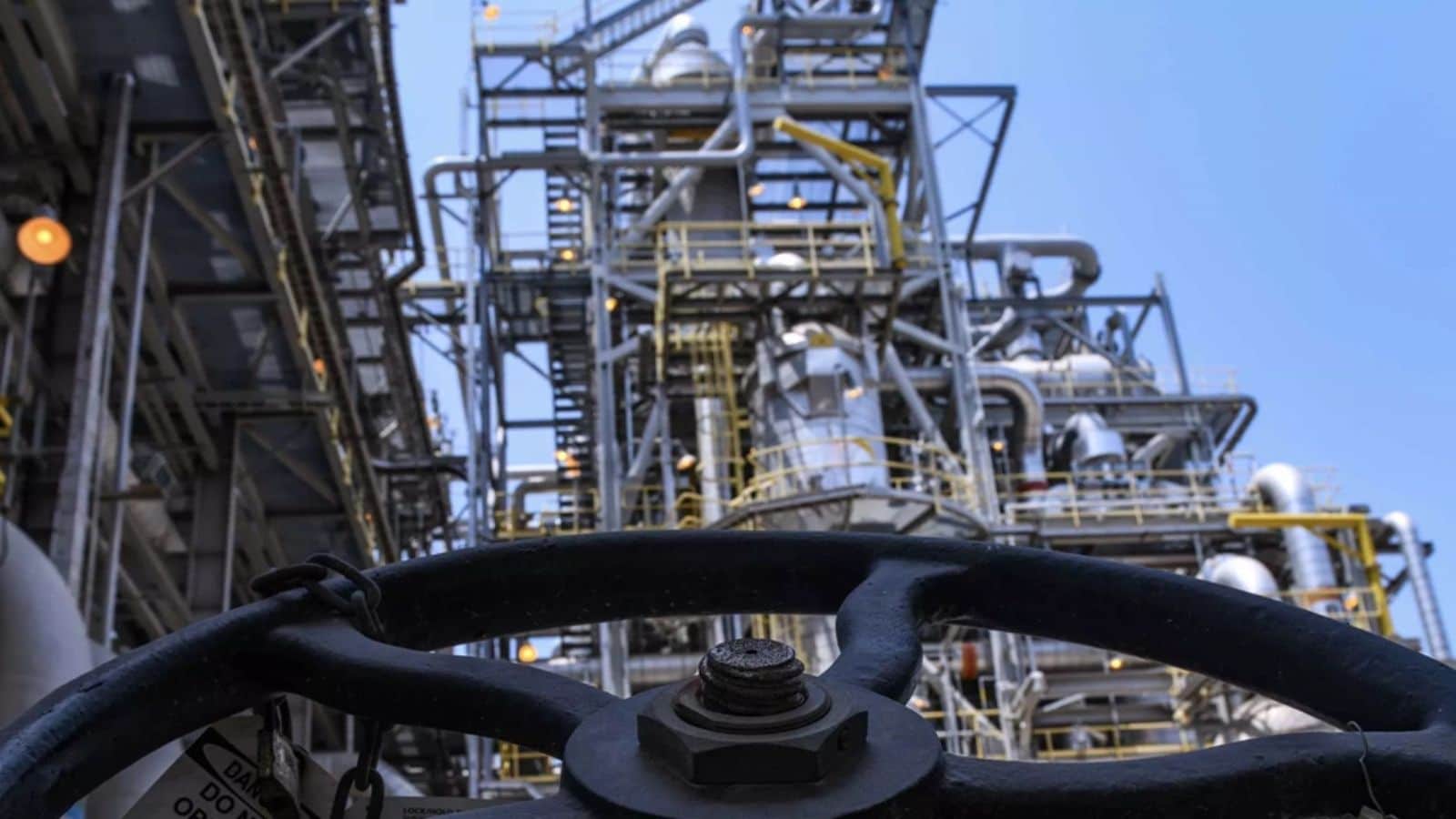
Yemen's Houthi movement just claimed responsibility for another targeted drone strike against the Saudi Aramco oil refinery in Jazan. It's a high-stakes move. This southwest coastal facility, which processes roughly 400,000 barrels of crude oil daily, sits right near the Yemeni border. It's a regular flashpoint. When aerial threats cross this border, global energy markets twitch.
Let's look at what's really happening on the ground.
The Reality Behind the Jazan Refinery Claims
Houthi military spokesperson Yahya Saree announced that the operation utilized multiple drones to hit exact coordinates. According to Houthi-run media channels, the strike acts as retaliation for alleged airspace violations in northwestern Yemeni provinces like Saada and Hajjah.
Meanwhile, official Saudi state bodies and the energy ministry maintain a tight operational posture. Past incidents at the plant—such as the late July shutdown following damage to the facility's Integrated Gasification Combined Cycle complex—demonstrate that these projectiles carry real risks. Fires break out. Emergency teams respond. Operations pause.
Yet, chief executives like Aramco's Amin Nasser have consistently emphasized that production disruptions remain manageable and short-lived. Recovery happens fast. Still, the psychological and geopolitical toll stretches far beyond a temporary dip in crude output.
The Regional Defense Equation
Timing changes everything in geopolitics. This fresh round of drone claims lands right on the heels of a massive trilateral defense agreement signed in Mecca between Saudi Arabia, Turkey, and Pakistan.
Think about the architecture of that pact. It models collective deterrence. An armed attack on one signatory treats as an attack on all three.
When Houthi forces target Saudi energy installations immediately after such an alliance forms, they aren't just lobbing explosives at a refinery. They're testing a brand-new security architecture. Foreign ministries claim the pact aims broadly at regional stability rather than targeting specific regional actors like Iran. Observers aren't buying the passive narrative. Everyone wants to see if external partners will step up when Red Sea infrastructure takes a hit.
What This Means for Global Markets
Energy security remains fragile. Red Sea shipping lanes face blockades, naval checkpoints, and constant drone alerts. When the Bab el-Mandeb Strait faces security bottlenecks, insurance rates spike. Tanker routes change.
If you think local skirmishes in southwestern Saudi Arabia stay isolated, look closer. Modern energy grids are deeply interconnected. Every time smoke rises near the Jazan coast, downstream markets react.
Keep your eyes on how Riyadh chooses to respond alongside its new defense partners. The calculus in the region is shifting. Diplomacy is straining under the weight of continuous cross-border fire. Watch the defense pact's next move.