Navigating the Strait of Hormuz just got a lot more complicated. When American maritime forces boarded an Iranian-flagged oil tanker amid escalating regional blockade tensions, the immediate release of the Tehran sailors shortly after did little to calm the nerves of global shipping firms. This wasn't just another routine maritime interception. It marks a sharp, aggressive shift in how energy chokepoints are policed, and it blows up the old playbook for commercial transit in the Middle East.
If you think this is just a brief headline about geopolitics, think again. The ripples from the boarding of this Iranian vessel hit global energy markets and supply chains immediately. It forces a massive rethink of maritime insurance, crew safety protocols, and transit routing.
The Reality Behind the Iranian Tanker Confrontation
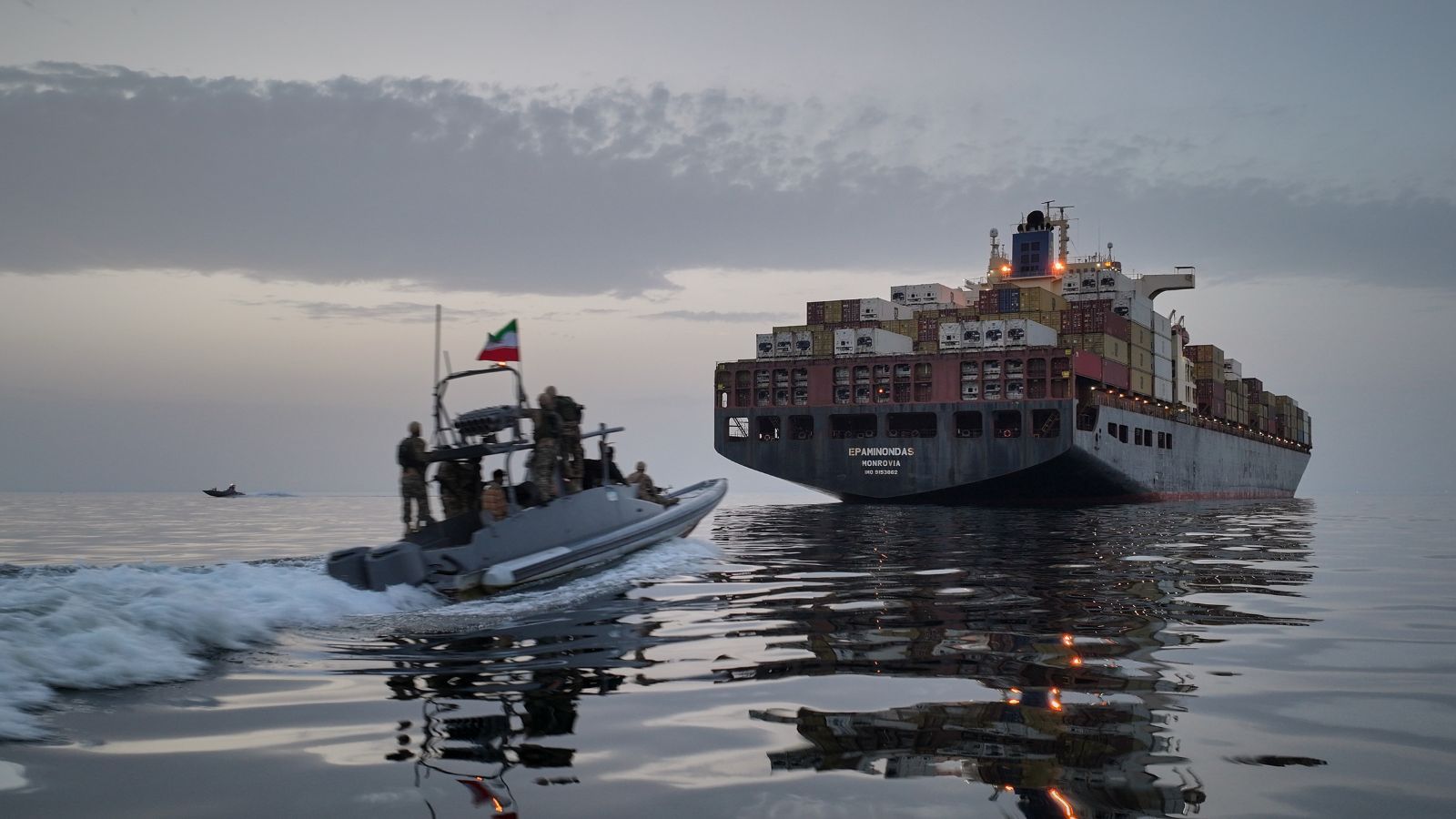
The encounter happened fast. United States naval forces, operating under international maritime security mandates, intercepted and boarded the vessel following intelligence reports linked to sanctions evasion and illegal cargo movement. Tensions peaked instantly. The region already felt like a powder keg due to enforcement of strict energy blockades. Tehran quickly condemned the move as an act of piracy, signaling a potential escalatory spiral.
Then came the surprise turn. Instead of detaining the crew or dragging out a diplomatic standoff, authorities released the Tehran sailors almost immediately.
Why the sudden de-escalation? It is simple. Keeping the crew captive would have forced Iran’s hand, likely triggering retaliatory strikes on Western-flagged commercial vessels in the Gulf. By letting the sailors go while maintaining control of the asset or cargo, the boarding forces managed to enforce compliance without starting an outright shooting war. It is a tactical tightrope walk. You show teeth, but you don't bite hard enough to draw blood.
What Maritime Operators Get Wrong About Blockade Risks
Many shipping executives look at these incidents and assume their vessels are safe if they fly a neutral flag. That is a dangerous mistake. Modern blockades are not just about who owns the ship. They are about where the cargo originated, who financing it, and where it is going.
The U.S. Fifth Fleet, based in Bahrain, has consistently increased its data-driven surveillance in these waters. They are tracking dark fleets—ships that turn off their Automatic Identification System (AIS) transponders to hide their locations. If your vessel operates anywhere near these dark fleet corridors, you are at risk of collateral delays, aggressive queries, or forced boardings.
Interviews with maritime security experts at organizations like the International Maritime Bureau show a common theme. Companies rely too much on old transit routes. They think the presence of Western warships provides a blanket insurance policy. It doesn't. A crisis can develop in minutes, far faster than a nearby destroyer can steam to your rescue.
The Financial Fallout for Global Supply Chains
Let's talk about the money. When a boarding occurs, the financial clock starts ticking loudly.
- Insurance Premiums Spike: War risk insurance premiums for the Persian Gulf and the Gulf of Oman jump instantly following these confrontations. A fraction of a percentage point increase might sound small, but it adds hundreds of thousands of dollars to the cost of a single voyage.
- Bunker Costs and Rerouting: If you decide the Strait of Hormuz is too hot, your alternatives are brutal. Rerouting around Africa adds weeks to transit times, burning massive amounts of fuel and tying up inventory.
- Demurrage Fees: Ships stuck in holding patterns waiting for security clearances rack up massive daily fees, destroying the profitability of the voyage.
This is not theoretical. During similar spikes in Gulf tensions, spot freight rates for Supertankers skyrocketed within days. Shippers passed those costs down the line. You see it at the gas pump and in the manufacturing costs of everyday goods.
How to Protect Your Maritime Operations Right Now
Waiting for international bodies to secure the shipping lanes is a losing strategy. You have to take active steps to protect your crews and assets from becoming leverage in a geopolitical chess match.
First, overhaul your routing protocols. Real-time intelligence is non-negotiable. Do not rely on weekly updates. Work with private maritime intelligence firms that track naval movements and dark fleet activity hour by hour. If an area shows a cluster of AIS dropouts or sudden naval deployments, steer clear, even if it adds miles to the trip.
Second, harden your vessels physically. If forces attempt to board your ship, your crew needs clear, non-violent protocols. Citadel training—where the crew retreats to a secure, reinforced room while maintaining control of the ship's propulsion—saves lives. It prevents crew members from being taken hostage and used as political bargaining chips, which is exactly what almost happened with the Tehran sailors.
Finally, review your legal and insurance frameworks. Ensure your charter party agreements contain robust war risk and blockage clauses. You need to know exactly who pays when a ship is ordered to wait out a standoff in safe waters. Don't leave it to negotiation while your ship is idling in a combat zone. Gather your security teams, update your emergency contacts with regional naval co-ordination centers, and stress-test your communication chains today.