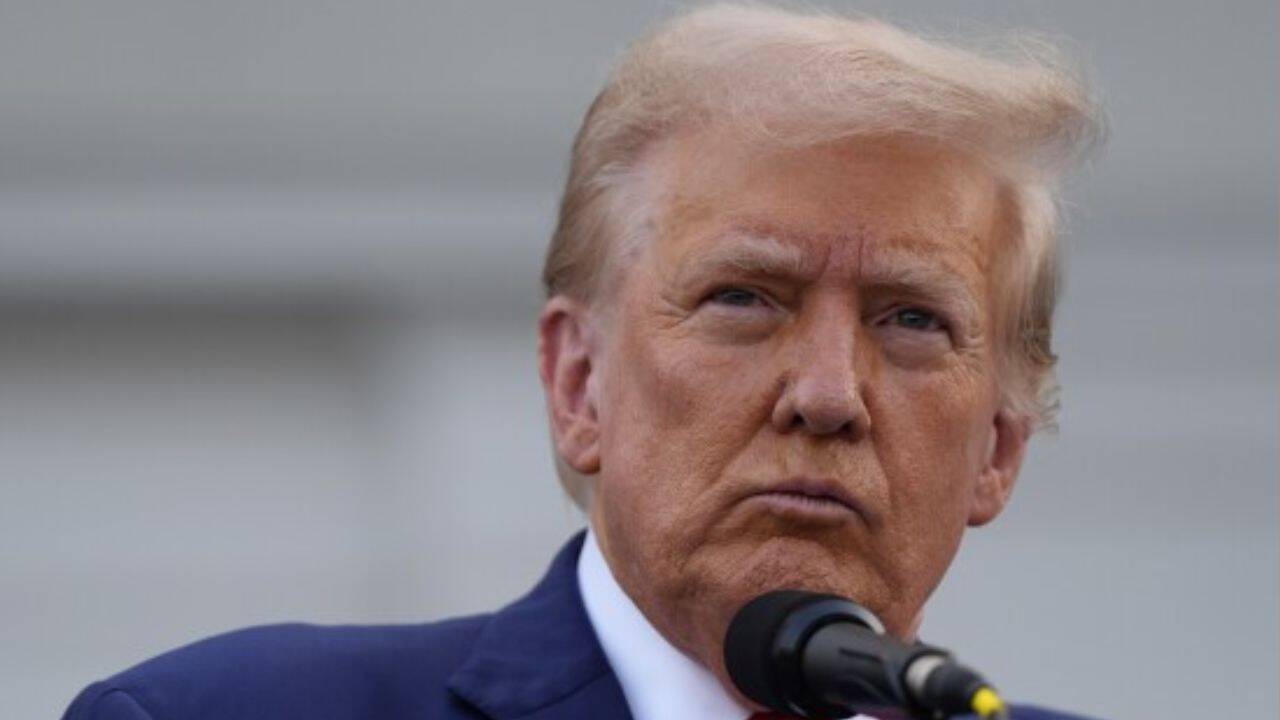
We are watching a high-stakes collision between executive overreach and basic electoral logistics. A federal judge in Boston just slammed the brakes on a last-minute attempt to upend how millions of Americans cast their ballots.
U.S. District Judge Indira Talwani issued a preliminary injunction preventing the U.S. Postal Service from rolling out sweeping new mail-voting restrictions pushed by President Donald Trump. This isn't just another legal footnote. It's a massive roadblock for an administration trying to rewrite election rules while ballots are already being printed and mailed. Read more on a similar issue: this related article.
Why the Timing Makes This Ruling Critical
North Carolina already started mailing out its first absentee ballots for the upcoming November midterms. Other states are right behind them. When the administration tried to force a brand-new system requiring states to submit strict voter eligibility lists through an untested online portal and use uniform envelope styles, they ran straight into a calendar wall.
Judge Talwani didn't mince words. She pointed out that plaintiff states have neither the time nor the funds to redesign mail ballots, train local election officials, and overhaul their entire management infrastructure on a few weeks' notice. Trying to enforce these changes right now would guarantee mass voter disenfranchisement. Further journalism by TIME explores similar perspectives on this issue.
The Core Conflict Behind the Executive Order
Trump's March executive order aimed to create a centralized verification system where the Postal Service would only deliver ballots to voters pre-approved via a federal database. The administration argues these steps are common-sense safeguards against fraud.
Critics and a coalition of 24 state attorneys general saw it differently. They argued the executive branch lacks the unilateral authority to dictate state election procedures. More importantly, internal warnings from postal whistleblowers revealed that the technical infrastructure for the tracking portal was rushed and prone to catastrophic failure. Imagine millions of valid ballots sitting in distribution centers because a barcode didn't match an unverified digital ledger. It's an administrative nightmare nobody needed.
What Happens Next in the Courts
This legal tennis match is far from over. The Justice Department is already appealing Talwani's decision. Earlier, the Supreme Court's conservative majority allowed a previous iteration of the order to proceed on a technicality—ruling that states had sued before the USPS formally issued its final rule.
Now that the formal rule is out and the lawsuits have been properly refiled, the case is heading back up the judicial ladder. Expect the Supreme Court to weigh in again very soon.
For now, the rules stay as they are. If you plan on voting by mail this November, check your local election board deadlines immediately, request your ballot early, and track it every step of the way.