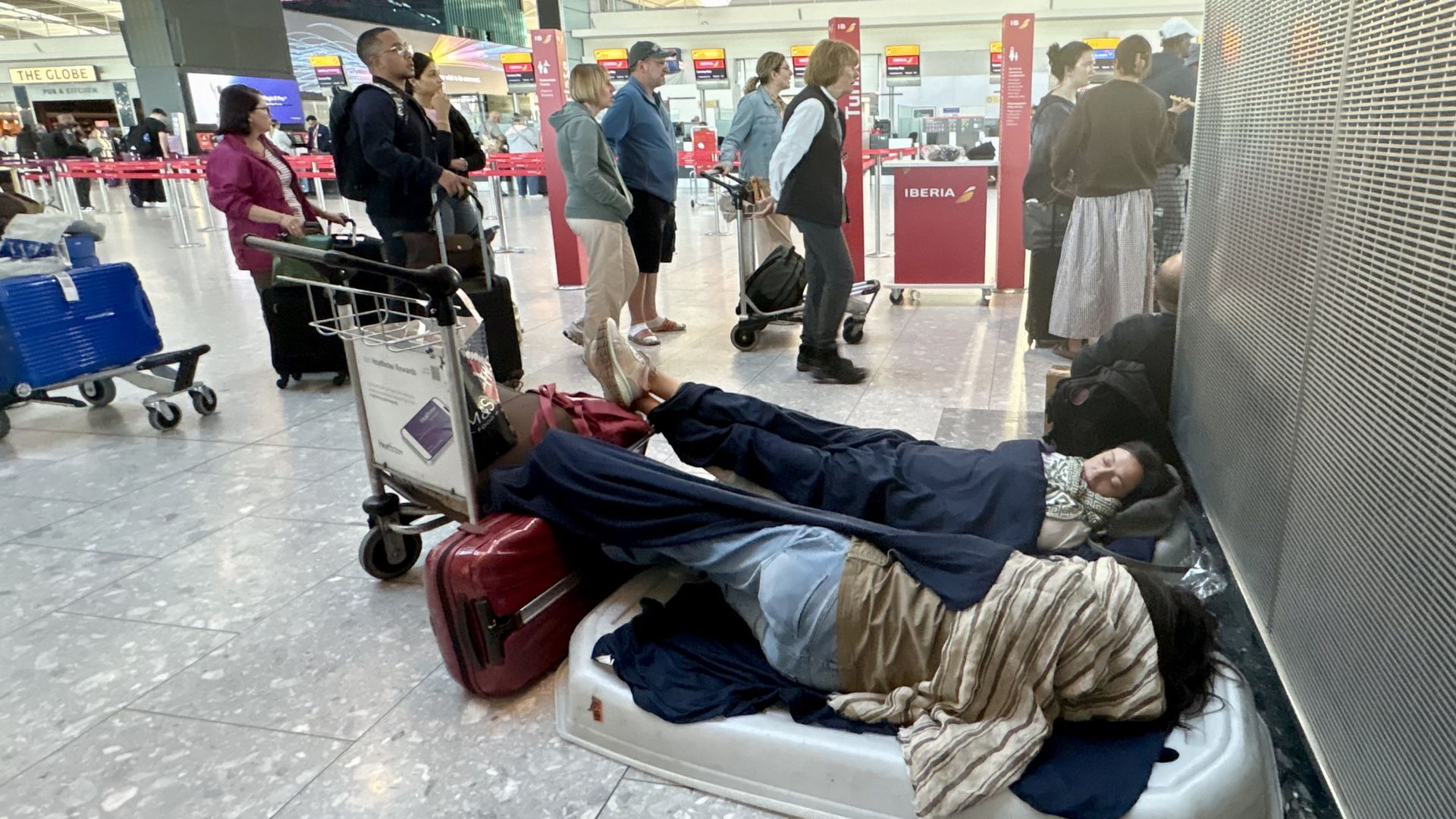
You’re standing in terminal three with a stale coffee, watching your flight status flip from delayed to cancelled for the third time. Passengers around you are groaning, agents are dodging eye contact, and the departure board looks like a cascading wall of red doom.
We’ve all lived through travel days from hell, but the nationwide ground stop that paralyzed U.S. airspace wasn't just another routine weather delay or localized computer glitch. It was a glaring warning light on a dashboard we've been ignoring for decades. When the Federal Aviation Administration slapped an unprecedented freeze on all departures due to a critical communications failure, it exposed just how vulnerable our modern infrastructure really is.
What Actually Triggered the Chaos
Transportation Secretary Sean Duffy didn’t mince words when addressing reporters after the system collapsed. The culprit wasn't a sophisticated foreign cyberattack or a malicious actor. It was old, tired infrastructure buckling under its own weight.
Air traffic control facilities spread across the country rely heavily on legacy equipment, including aging switches, routers manufactured decades ago, and remnants of 1980s copper line architecture. Preliminary investigations point toward a routine system upgrade or security patch interacting poorly with these aging routers. The equipment became overloaded with data packets, began spitting out conflicting information, and forced controllers into a corner where shutting everything down was the only safe option.
Think about that for a second. Millions of passengers flying at hundreds of miles per hour depend on communication networks running on tech that belongs in a museum.
The Human Cost at the Gates
While officials debated bandwidth and legacy switches in Washington press briefings, the reality on the ground was pure misery. Major aviation hubs like Chicago O'Hare, Atlanta Hartsfield-Jackson, and New York JFK turned into massive holding pens.
Travelers reported sitting on tarmac-bound aircraft for hours before being sent back to crowded terminals where lines for customer service stretched past baggage claim. Families missed connecting flights, business travelers blew past critical meetings, and thousands found their weekend plans instantly vaporized.
The cascading effect means that even after the FAA lifted the ground stop, airlines spent days untangling crew schedules, displaced aircraft, and stranded passengers. A four-hour technological blackout ripples through the global transit network for days because modern aviation operates on razor-thin scheduling margins.
Why Quick Fixes Won't Cut It
Fixing this isn't simply a matter of rebooting a server or swapping out a single cable. The FAA spends roughly one billion dollars annually just maintaining its legacy copper wire system while racing to transition toward fiber-optic communications.
Transport officials have publicly requested tens of billions of dollars to overhaul the air traffic control network completely. Yet funding requests always seem to stall until a catastrophic failure forces politicians to pay attention. We treat aviation safety reactively rather than proactively. Pushing software updates or new security patches onto infrastructure that predates the modern internet is a ticking time bomb. If you don't modernize the foundational plumbing, adding higher-capacity software is like trying to force a firehose through a drinking straw.
How to Protect Your Travel Plans
Until the government finishes replacing copper lines with modern fiber networks, these risks aren't going away. You can't control national infrastructure, but you can change how you navigate it.
- Book the first flight of the day: Technical glitches and system overloads rarely happen at 6:00 AM. Your odds of getting out on time drop drastically as the afternoon heat and network strain build.
- Keep airline apps updated: When a system-wide meltdown occurs, gate agents are completely overwhelmed. Being able to rebook yourself instantly through an app puts you ahead of hundreds of people waiting in physical lines.
- Avoid tight connections: A four-hour ground stop turns a comfortable two-hour layover into a missed flight. Give yourself buffer room on critical trips.
The next time you book a flight, remember that the plane is only as advanced as the network tracking it. Until real modernization happens, pack your patience.
Travel chaos update: FAA lifts nationwide ground stop
This video report breaks down the timeline of the nationwide ground stop and details the official government briefings regarding the legacy technology failures.