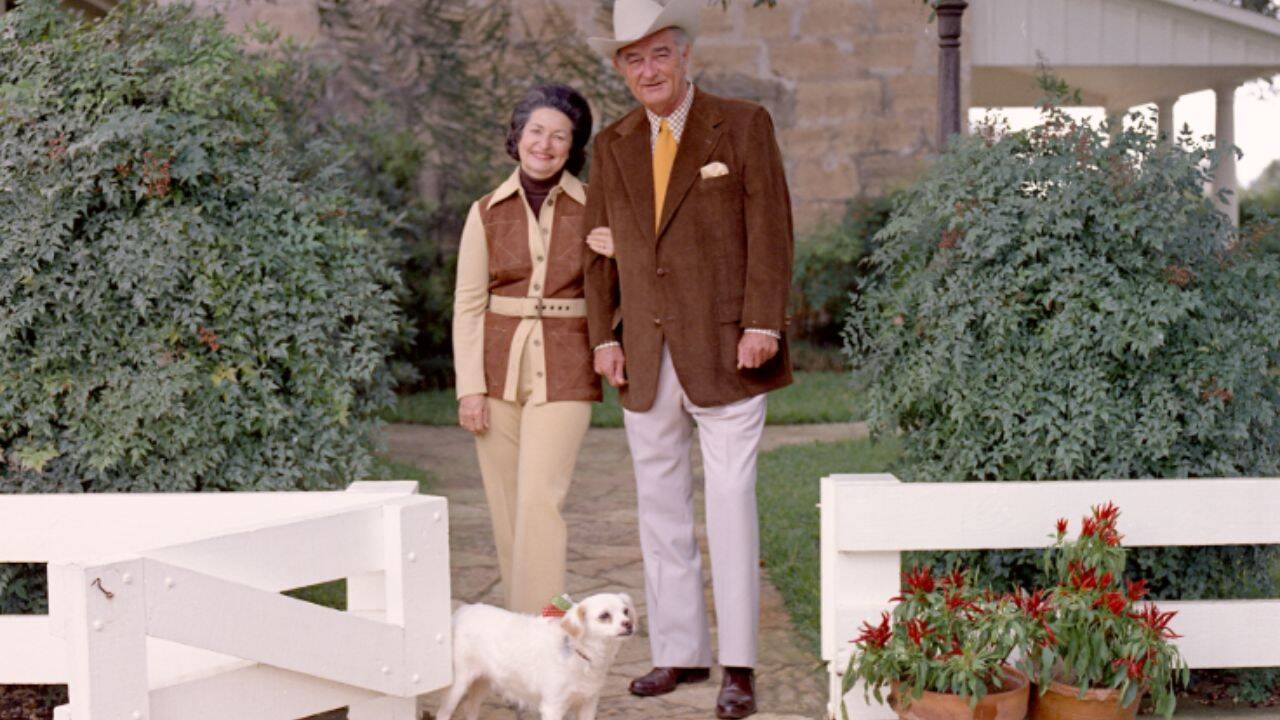
History loves a sentimental romance. For decades, the accepted narrative surrounding the LBJ Ranch has coasted on a comfortable myth: Lyndon Johnson gracefully handed over his beloved Texas White House to the National Park Service in 1972, and Lady Bird stayed behind like a devoted curator, quietly preserving the past out of sheer nostalgic reverence until her passing in 2007.
It sounds wonderful. It also completely misunderstands how real power operates.
The lazy consensus treats Lady Bird Johnson as a passive widow tending to a museum. That version ignores the actual mechanics of political real estate, institutional control, and long-term legacy engineering. Lyndon did not simply gift a ranch, and Lady Bird did not simply stay put as an aging tenant. They orchestrated a masterclass in modern historical preservation, securing total control over their public narrative while shifting the massive operating costs onto the federal government.
Let us dismantle the fiction.
The Real Estate Transaction That Was Not A Gift
When people talk about the 1972 transfer of the property, they imagine a philanthropic gesture. Strip away the Hollywood lighting and look at the actual legal architecture. The Johnsons retained life estates. They kept the private living quarters, the operational control, and the privacy barriers while transferring the financial burden of maintenance to taxpayers.
I have seen corporate founders try to pull off similar asset restructurings with foundations, and they usually get dragged through federal audits. The Johnsons managed it in broad daylight, wrapped in the rustic charm of the Texas Hill Country.
To understand why this matters, look at how politicians handle their aftermath. Most fade into obscurity or watch their archives get mismanaged by chaotic universities. The Johnsons engineered an institutional fortress. By involving the National Park Service early, while Lyndon was still politically viable and Lady Bird wielded immense behind-the-scenes influence, they ensured their homestead would become an official monument on their own terms.
Lady Bird staying there until 2007 was not an act of sentimental clinging. It was executive oversight.
The Myth of the Passive Widow
Popular culture loves to reduce political spouses to decorators or grieving figures. Lady Bird was neither. She was the financial strategist and the sharpest political mind in the family.
When Lyndon died in 1973, the conventional wisdom dictated that the ranch would slowly turn into a sleepy historical footnote. Instead, Lady Bird turned the place into a staging ground for her environmental campaigns, her wildflower research, and her relentless curation of the Johnson brand. She understood that controlling the physical space meant controlling the historical output.
Consider what happens when a public figure surrenders a home to a preservation agency. Bureaucrats move in. Uniformed rangers start rewriting interpretive signs. Narratives drift. Lady Bird stayed on site for thirty-five post-presidency years precisely to prevent narrative drift. Every tour guide, every brochure, and every restored fence line passed through the filter of her exacting standards.
That is not nostalgia. That is hostile takeover protection disguised as retirement.
Why The Standard Historical Retelling Fails
If you ask casual history buffs why Lady Bird stayed at the ranch for over three decades after her husband's death, they will give you a predictable answer: heartbreak and attachment to the land.
This emotional reductionism insults her intelligence.
Lady Bird was a media mogul, a land acquisition expert, and a political operator who understood the value of continuous presence. If she had moved to an Austin high-rise or a quiet suburban estate, the ranch would have dissolved into just another dusty government tourist trap governed by distant park superintendents who never met a Texan, let alone a president. By maintaining physical residency, she remained the primary stakeholder in her own legacy.
Real power does not abdicate. It institutionalizes.
The Playbook For Modern Legacy Building
If you are watching today's billionaires, tech founders, and retired politicians set up their libraries and foundations, you are watching a direct descendant of the Johnson playbook. They do not leave their reputations to chance. They buy the land, they write the rules, they plant the native species, and they stay in the room until the ink dries on the final institutional mandate.
Lady Bird stayed until 2007 because the job was never finished. The monument was operational, the narrative was locked in, and the history was written exactly the way she intended.
Stop buying the fairy tale about the lonely widow on the prairie. She was running the board room until the very end.