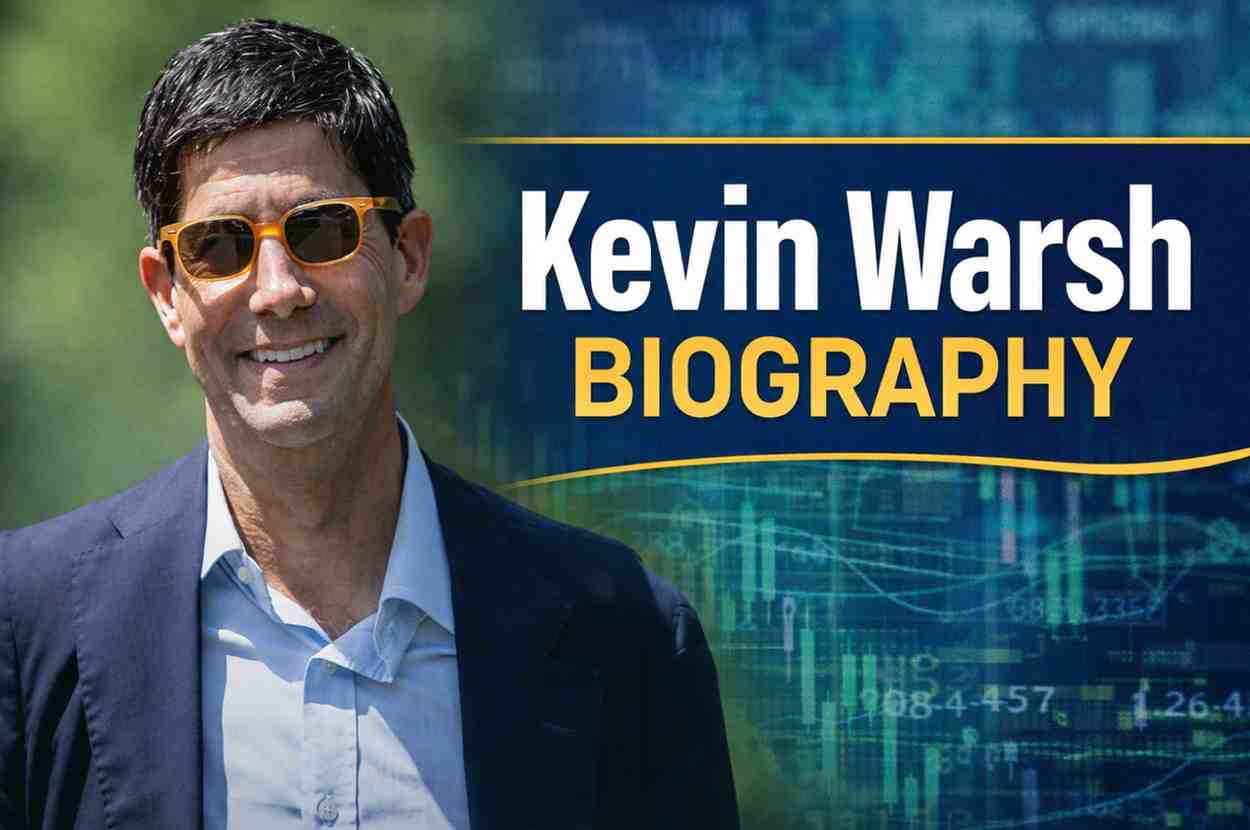
Central bankers usually talk about money in the abstract, but Kevin Warsh is about to make it very personal. As he prepares for a high-stakes Senate confirmation hearing on April 21, the 69-page financial disclosure he just dropped is a total eye-opener. We’re not just looking at a successful career here; we’re looking at a portfolio worth somewhere between $131 million and $209 million. If he’s confirmed to replace Jerome Powell this May, Warsh won't just be setting interest rates—he'll be the wealthiest person to ever lead the Federal Reserve.
It’s a massive jump from the current status quo. Jerome Powell is rich by any normal standard, with a net worth between $19 million and $75 million, but Warsh is playing in a different league. When you add in the family wealth from his wife, Estée Lauder heiress Jane Lauder—whose personal net worth is estimated at around $1.9 billion—the Warsh household looks more like a sovereign wealth fund than a public servant’s residence.
The big numbers hiding in the 69-page filing
You can't really grasp the scale of this until you look at where the cash is coming from. The most striking figure isn't just a stock portfolio; it’s a series of massive checks from Wall Street heavyweights. Warsh reported a staggering $10.2 million in consulting fees from Stanley Druckenmiller’s family office. That’s not "lunch money" consulting; that’s deep-level advisory work for one of the most successful hedge fund managers in history.
The filings also show two specific investments in something called the Juggernaut Fund LP. Each of those positions is valued at more than $50 million. Because of confidentiality agreements, we don't even know what's inside that fund yet. It's a black box of wealth that he’s promised to dump if he gets the job.
Beyond the big hedge fund plays, Warsh has been busy in the tech and AI space. His disclosure lists around 60 different assets, including stakes in:
- SpaceX: Elon Musk’s aerospace giant.
- Coupang: The South Korean e-commerce powerhouse where he’s been a director since 2019.
- Hebbia: A high-growth AI research company.
- Cryptocurrency: Various holdings that align him with the pro-crypto sentiment of the current administration.
Why this wealth matters for the Fed
People like to say that a person's net worth shouldn't matter if they're qualified, but the Fed isn't just any government agency. It’s the "lender of last resort." The ethics rules were tightened significantly in 2022 after some pretty embarrassing trading scandals involving regional Fed presidents. Now, Warsh has to navigate a minefield of potential conflicts.
He’s already pledged to resign from board seats at UPS and Coupang. He also wrote a specific commitment to recuse himself from anything that might directly impact Estée Lauder Companies. But honestly, when you're worth $200 million and your wife is a billionaire, almost every move the Fed makes—from interest rate hikes to quantitative easing—affects your family's bottom line in some way.
Critics are going to hammer him on this. They'll ask if a guy who gets $10 million checks from hedge fund legends can truly be the "people's banker." On the flip side, supporters argue his deep ties to Wall Street and Silicon Valley mean he actually understands how the modern economy works, unlike a career academic who's only seen a trading floor on TV.
The political drama behind the scenes
Warsh’s path to the chair isn't a guaranteed slam dunk. Even though President Trump nominated him back in January, the Senate has been dragging its feet. Why? Because of a weird standoff involving a DOJ investigation into Jerome Powell. Senator Thom Tillis has been holding up the process, calling the probe "frivolous," and refusing to back Warsh until things are cleared up.
Meanwhile, Powell has basically said he’ll stick around as "chair pro tem" if the Senate doesn't get its act together by the May 15 deadline. It’s a messy transition of power that makes the financial disclosures even more explosive. Every dollar Warsh earned from a private equity firm or a tech startup is going to be scrutinized by senators looking to score points.
What happens next for your money
If you're watching this as an investor, don't get distracted by the $200 million figure. The real story is the shift in philosophy. Warsh is known for being more hawkish than Powell was in the past, though he’s recently aligned more with the administration’s push for lower rates.
Here is what you should keep an eye on as the confirmation moves forward:
- The Divestiture Fire Sale: Warsh has to sell off dozens of holdings, including his Juggernaut Fund stakes and his AI/crypto bets. This isn't just paperwork; it's a massive liquidation to meet OGE standards.
- The Interest Rate Pivot: Watch his testimony on April 21. If he leans into his history as a "sound money" guy, markets might get nervous about fewer rate cuts.
- The Estée Lauder Waiver: Watch how specific his recusal agreement is. If it’s too broad, he might be sidelined during major economic decisions involving the retail or consumer sectors.
The bottom line is that Kevin Warsh is bringing a private-equity mindset to a public-sector institution. He’s rich, he’s connected, and he’s about to have more influence over the US dollar than anyone else on the planet. Whether that wealth makes him an expert or an outsider is what the Senate—and the markets—will decide next week.
If you want to track this, keep an eye on the Senate Banking Committee’s live feed on the 21st. That's when we see if the $200 million man can actually sell himself to the public.