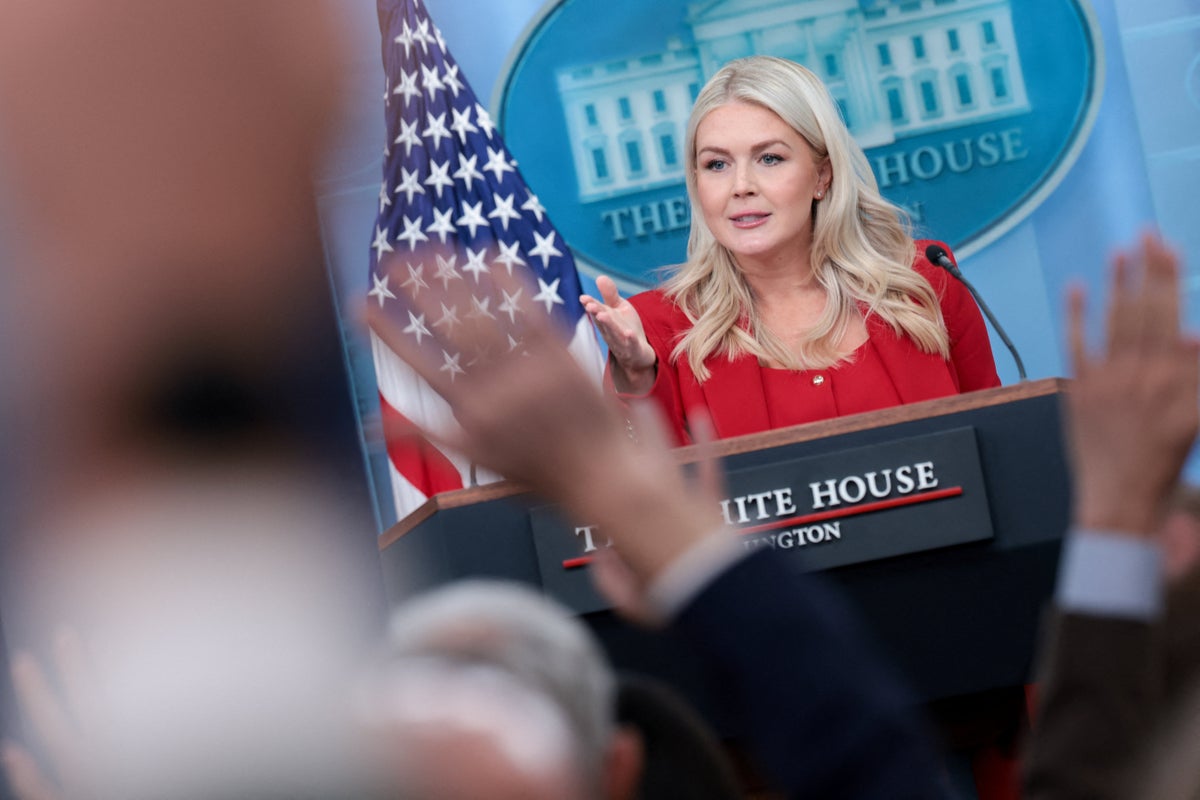
Karoline Leavitt is leaving the podium. At just 28 years old, the youngest press secretary in modern American history announced she is stepping down from her role at the end of August. President Donald Trump shared the news on Truth Social, noting that Leavitt will transition into an outside advisory role for the Republican Party ahead of the midterm elections. Leavitt cited her young family and the sheer intensity of the job as the primary reasons for her exit.
You don't spend twenty months at the center of the modern political maelstrom without leaving a massive mark. Her tenure as White House press secretary redefined how an administration interacts with legacy media, alternative commentators, and the general public. From viral clashes to intense legal battles over geography and press credentials, her time at the podium was anything but quiet.
The Battle Over the Briefing Room and the Gulf of America
Leavitt did not just manage the daily press briefings. She actively tried to rewrite the ecosystem of who gets access to the president.
Her administration team pushed to alter the traditional White House press pool structure managed by the White House Correspondents' Association. When those efforts met resistance, her office carved out a dedicated "new media" seat. Podcasters, independent digital creators, and right-wing commentators suddenly found themselves shoulder-to-shoulder with veteran reporters from legacy networks.
That aggressive posture spilled over into open legal warfare. Her press team engaged in a high-profile dispute with the Associated Press, blocking the outlet from the daily press pool after editors refused to adopt the administration's mandate to refer to the Gulf of Mexico as the "Gulf of America". It was a clear signal that branding and rhetoric mattered just as much as policy.
Viral Clashes and Unflinching Loyalty
If you watched the daily briefings, you saw a masterclass in modern political combat. Leavitt rarely took a defensive stance. Instead, she treated every adversarial question as an opening counterattack.
Her sharp vernacular sometimes broke standard political protocol. From cheeky remarks that caught reporters off guard to unfiltered social media crossfire, she matched the president's populist cadence beat for beat. When asked about sensitive legacy controversies, such as resurfaced emails regarding Jeffrey Epstein, she didn't flinch or pivot away. She stood at the microphone and argued that the documents cleared the president entirely, framing the questions themselves as partisan attacks.
Critics labeled her combative style hostile to transparency. Supporters saw it as a long-overdue defense against a biased press corps. Either way, she never yielded an inch of ground.
What Her Exit Means for the White House
The timing of her departure matters. Stepping down just three months before a brutal midterm election cycle leaves a massive operational vacuum. While Trump noted that she will continue steering strategy from the outside as a top adviser, filling her shoes inside the briefing room will test the administration's communication apparatus.
Leavitt proved that a press secretary could bypass traditional gatekeepers entirely. By leaning heavily into digital platforms, friendly cable slots, and direct social media engagement, she proved you don't need the New York Times to like you to reach voters.
Keep an eye on how her successor handles the briefing room. If the "new media" seat stays and the combative posture remains standard operating procedure, you can thank Karoline Leavitt for setting the new baseline of American political communication.