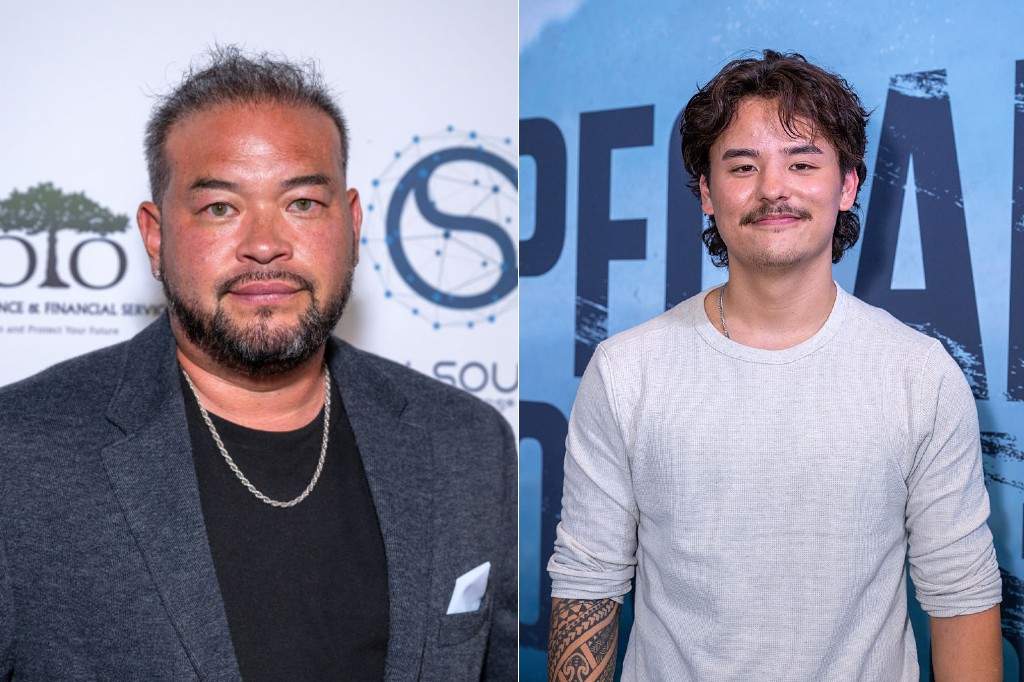
Jon Gosselin isn't holding back anymore, and honestly, the shift in how the public views the Jon & Kate Plus 8 family is massive. When Collin Gosselin released his memoir, In the Shadow of Eight: Surviving the Reality of My Childhood, in October 2026, he didn't just dredge up old TLC drama. He brought forward claims of childhood confinement, emotional isolation, and institutional placement that forced his father back into the spotlight to defend him.
If you're searching for what Jon Gosselin actually said to back up Collin—and why those words matter right now—the short answer is simple. Jon pushed back directly against suggestions that Collin's allegations stem from mental illness, insisting multiple independent psychiatric evaluations cleared his son and warning that using mental health labels to silence him won't fly anymore.
Watching this unfold feels surreal if you remember tuning into Jon & Kate Plus 8 back in the late 2000s. Back then, the show was sold as a relatable, chaotic triumph of parenting twins and sextuplets. Nearly two decades later, the family's fractured reality is playing out through books, podcasts, and television interviews, exposing just how messy the aftermath of child fame can get.
What Jon Gosselin Said to Back His Son Collin
When Collin stepped forward with detailed accounts of his upbringing—including appearances on On Purpose with Jay Shetty and Good Morning America alongside his October 2026 memoir—the pushback in Kate Gosselin's social media comment sections leaned hard on a familiar script. Supporters of Kate hinted that mental instability explained Collin's claims, and Kate herself replied to a TikTok comment by pointing to "rational logical ppl or anyone who has dealt with mental illness".
Jon answered that head-on in interviews, including with Entertainment Tonight. He flatly rejected the idea that Collin is mentally ill, pointing out that Collin has undergone multiple independent psychiatric evaluations that he says contradict that narrative. Jon also issued a blunt warning against weaponizing mental health claims to discredit his son's credibility or hurt his future.
What struck me most in Jon's remarks wasn't just his defense of Collin's sanity, though. It was his flip of the script. Jon asked what would happen if the roles were reversed—if he had been the one accused of locking a child away or putting a son through what Collin described—arguing he would be facing severe legal consequences instead of a debate in a comment section.
The Timeline Question Nobody Can Ignore
Whenever a former reality TV dad defends a child years after a bitter divorce, people immediately ask the uncomfortable question. Where were you while this was happening?
Jon didn't dodge it. In his Entertainment Tonight interview, he pointed to the timeline of their split. Jon and Kate announced their separation in June 2009 and divorced, when the sextuplets—born in May 2004—were still young kids around four or five years old. Jon argued that the worst of what Collin alleged happened long after their marriage ended and after his own role in the household had been severed.
Both Jon and Collin have also talked about parental alienation. Collin described feeling caught in misinformation between his parents as a child, while Jon noted how easy it is for an eight-year-old to believe a parent's version of events when access and communication are tightly controlled. Following Collin's release from an inpatient facility in late 2018, Jon gained custody and brought Collin home with him in Pennsylvania, alongside daughter Hannah, while their other siblings remained estranged from their father.
Why This Feud Hits Different Than Typical Reality TV Drama
Most celebrity feuds are about ratings, petty insults, or public relations spin. This one isn't. When allegations involve a minor being sent to a residential facility, isolated from siblings, or kept from a parent, the stakes shift from entertainment to child welfare.
From following media coverage of child performers over the years, one pattern shows up again and again. While a show is airing, networks and audiences reward a polished storyline. A stressed mom managing eight kids becomes a hero archetype; a dad pushing back against filming becomes a villain or a distraction. Years later, when the cameras are gone and the kids grow up, the curated image cracks.
Kate Gosselin, through her legal representation and past statements, has denied allegations of abuse and maintained that decisions regarding Collin were made out of concern and to protect the family amid behavioral struggles. That tension—one side framing actions as necessary intervention and the other framing them as harmful control and misdiagnosis—is exactly why people are so divided and why the story keeps pulling new readers in.
How Mental Health Labels Get Weaponized in Family Disputes
One of the sharpest takeaways from Jon speaking out for Collin isn't specific to the Gosselins at all. It's how quickly "mental illness" gets used as a shorthand dismissal in high-conflict family battles.
When someone says, "Consider the source, they have mental health issues," it shuts down curiosity without addressing a single specific claim. Even if a person has struggled emotionally or behaviorally, having a diagnosis—or having been placed in treatment—doesn't automatically make every memory false or every allegation a lie. And when independent evaluations are brought into the conversation, the credibility fight gets even messier.
I've seen this dynamic play out in real life outside of television, too. In bitter custody or family estrangements, labeling a relative "unstable" is often the fastest way to rally bystanders. Sometimes genuine mental health challenges really are part of the picture; other times, the label acts like a shield against accountability. That's why taking either side blindly without weighing documented facts, legal records, and conflicting accounts is a mistake.
What the Gosselin Saga Reveals About Child Reality TV
Step back for a second and look at the bigger picture. Jon & Kate Plus 8 debuted in 2007, right as reality television was figuring out how lucrative family life could be. Eight kids meant built-in storylines, milestones, and holidays—zero shortage of content for a cable network.
Back then, laws protecting child performers were built mostly around traditional scripted TV and film, like California's Coogan Law, which sets aside a portion of a child actor's earnings and regulates working hours. Reality television often operated in gray areas, especially in states where labor rules weren't tailored to unscripted home filming. Jon actually raised concerns about Pennsylvania's child labor laws back in 2009 when tensions with TLC boiled over.
Years later, we're seeing the human cost play out in real time. Collin enlisted in the U.S. Marines in 2023, appeared on Special Forces: World's Toughest Test, and wrote In the Shadow of Eight to tell his side in his own words. Meanwhile, six of the eight siblings remain estranged from Jon, showing that there is no neat "happy ending" button you can press on a fractured family.
| Aspect of the Story | Collin & Jon Gosselin's Perspective | Kate Gosselin's Position & Counter-Framing |
|---|---|---|
| Mental Health Claims | Collin was cleared by multiple independent psychiatrists; mental health claims are used to discredit him. | Supporters and Kate's social media replies point to mental illness and question the credibility of the claims. |
| Treatment & Confinement | Describes institutionalization and harsh treatment as damaging and unwarranted. | Her attorney and past statements frame actions around protecting the family and following medical advice. |
| Father's Role & Timing | Jon notes the divorce happened when Collin was young and says alienation kept them apart. | Family dynamics and custody history have long been contested in public and legal arenas. |
| Current Family Ties | Collin and sister Hannah are close to Jon; Collin attended Jon's November 2025 wedding to Stephanie Lebo. | Kate maintains ties with her other children and has pushed back against what she calls defamation. |
Common Misconceptions People Have About This Story
Because headlines move fast, a few myths keep popping up around the Gosselins:
- Myth: Everyone in the family agrees on what happened. Not even close. Sibling loyalties in high-conflict families often split along lines of age, birth order, who stayed where, and what each child experienced. Having Collin and Hannah close to Jon while other siblings stay distant proves how complicated family fractures really are.
- Myth: Jon and Collin's relationship was always smooth after the divorce. Their history has had plenty of turbulence, including a public fallout and investigation in 2020 that Jon was cleared in, before rebuilding a closer bond over time. Real reconciliation rarely looks like a straight line.
- Myth: A memoir settles every legal or factual question. Books are personal accounts—important for understanding how someone experienced their own life, yet still subject to scrutiny, denial, and counter-claims. Treating any single memoir as a court verdict goes beyond what it is.
Practical Ways to Follow Stories Like This Without Getting Played
Whenever a high-drama family story trends across TikTok, podcast clips, and entertainment news, it's easy to get pulled into a pile-on. If you want to stay informed without falling for clickbait or half-truths, keep a few habits in mind:
- Separate direct quotes from viral summaries. Short clips and social media captions often strip out context. Look at full interviews—such as Entertainment Tonight, Good Morning America, or long-form podcasts—and note who is speaking, when the interview aired, and what claims are still disputed.
- Watch how mental health is discussed. Pay attention to whether a source provides real context or just uses "mental illness" as a buzzword to dismiss someone. Responsible reporting explains both sides' claims clearly without diagnosing people from afar.
- Check the timeline before judging motives. Dates matter enormously in custody and family disputes. Checking when a marriage ended, when a show aired, or when a custody ruling happened helps you spot gaps in oversimplified internet hot takes.
- Keep an eye on real-world policy shifts. Beyond celebrity gossip, stories like Collin's are part of a bigger push around child influencer protections, privacy rights, and youth mental health. Following advocacy groups and state legislation gives you a much clearer view of what might actually change for kids growing up online today.