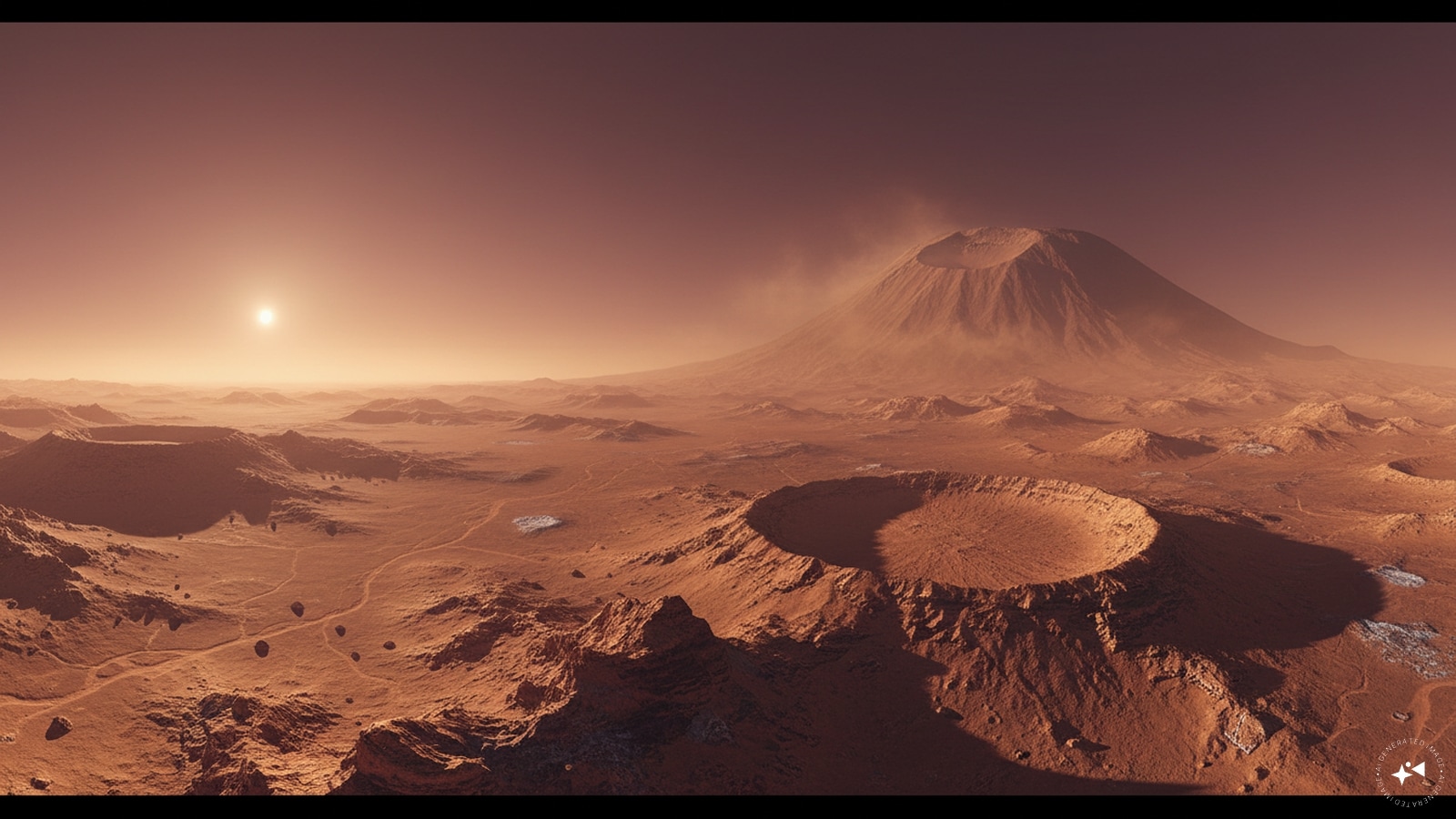
Everyone talks about Mars rovers, but nobody pays enough attention to what's orbiting right next door. Two tiny, potato-shaped moons—Phobos and Deimos—circle the Red Planet, and scientists have argued for decades about where they actually came from. Did Mars capture them from the asteroid belt, or did a massive impact blast planetary debris into orbit to form them? We have never touched them. That changes soon.
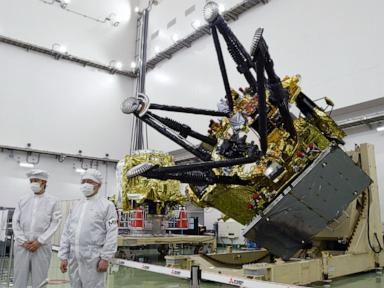
Japan's space agency is sending a spacecraft straight to the Martian system to land on one of these moons, scoop up dirt and rocks, and haul them all the way back to Earth. This mission is called the Martian Moons Exploration, or MMX. If you think collecting samples from the Moon or an asteroid was hard, try doing it millions of miles away on a low-gravity moon while dodging radiation and orbital mechanics nightmares.
Why Phobos and Deimos Matter More Than You Think
People ask why we don't just land on Mars instead. We do. But Mars has a thick atmosphere and a deep gravity well. Getting off the Martian surface requires a massive rocket, which is why nobody has ever launched a sample return mission directly from Mars yet.
Phobos is different. Its gravity is practically nonexistent. A decent jump could launch you into space. That weak gravity makes it a realistic stepping stone. More importantly, Phobos acts like a cosmic catcher's mitt. Over millions of years, dust and rocks kicked off the surface of Mars by asteroid impacts have rained down on Phobos.
If you want a pristine piece of ancient Mars without landing on the planet itself, Phobos is your best bet. It might hold microscopic traces of past Martian life trapped in ejected surface layers.
The Brutal Engineering Behind the MMX Mission
Getting to Mars is easy compared to surviving the operational phase once you get there. The spacecraft has to enter orbit around Mars, transition to orbit around Phobos, find a safe touchdown spot on a rocky, uncharted surface, and blast off again with pristine geological samples.
Space agencies don't get many shots at this. The mission uses a massive solar electric propulsion system to haul fuel-efficient ion engines across interplanetary space. Once the probe arrives, it won't just touch down once. The mission plan involves two separate sampling methods.
First, a coring drill will plunge deep beneath the surface to pull up subsurface material untouched by solar radiation and space weathering. Second, a pneumatic sampler will blast gas at the ground to kick loose regolith into a collection chamber.
The Origin Story Debate We Desperately Need to Settle
For years, astrophysicists have been split into two furious camps.
Camp one says Phobos and Deimos are captured asteroids. Their dark, carbon-rich surfaces look an awful lot like the space rocks floating in the main belt between Mars and Jupiter.
Camp two says they are impact rubble. They argue that a giant asteroid slammed into Mars billions of years ago, creating a ring of debris that coalesced into the two tiny moons.
You can't solve this debate with a telescope. You need laboratory instruments here on Earth to analyze the isotopic signatures of the minerals. When the MMX capsule drops back into the Earth's atmosphere with pristine Martian moon dirt, planetary geologists will finally have the smoking gun.
What Happens When the Samples Land
Bringing extraterrestrial material back to Earth is a logistical gauntlet. Scientists have to build dedicated curation facilities designed to isolate samples from Earth's atmosphere so they don't get contaminated.
Every single gram of material retrieved will get split up and distributed to laboratories worldwide. Researchers will run mass spectrometry, electron microscopy, and organic chemistry analysis. They want to know the exact age of the moon, its mineral composition, and whether any organic molecules survived the harsh journey through space.
Space exploration is moving past simple flybys. We are in an era of sample return. Bringing pieces of other worlds home is the only way to answer the questions that keep scientists up at night. Watch this mission closely because it sets the stage for how humanity will eventually explore the rest of the solar system.