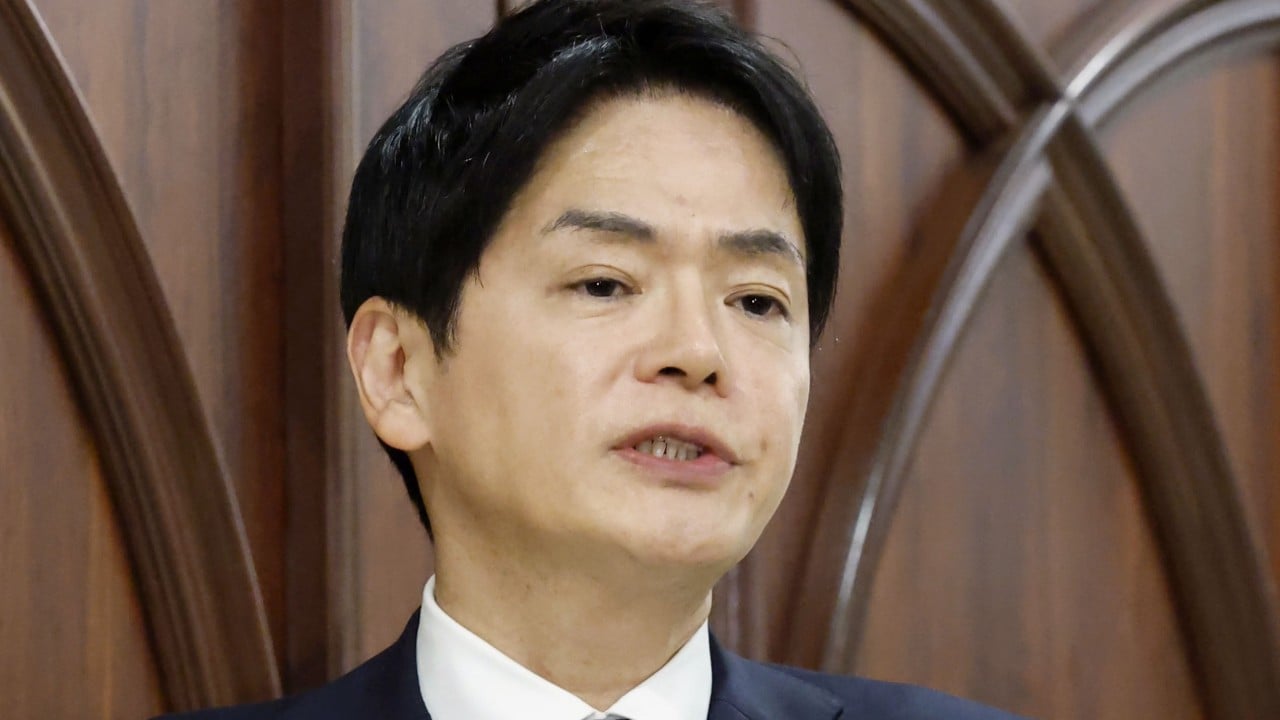
The lazy consensus running through every mainstream headline right now is intoxicatingly simple. A mayor with a sharp tongue and a bruising management style loses an election, and the global press instantly declares a moral victory for polite democracy. Voters grew tired of the screaming. The electorate demanded civility. Accountability won the day.
It is a comforting bedtime story. It is also completely wrong.
I have spent years watching political machines operate behind closed doors in Tokyo, Osaka, and regional prefectures. When a high-profile executive gets ousted after allegations of workplace bullying or verbal tirades, the knee-jerk Western analysis always tries to map it onto global conversations about toxic leadership and psychological safety. That framework misses the operational reality entirely. Japanese voters did not stage a referendum on workplace etiquette. They punished a disruption of the consensus-driven distribution pipeline.
Let us strip away the melodrama. A local government chief in Japan does not survive or fail based on how softly they speak to junior bureaucrats. They survive by maintaining the delicate, unspoken compact between local patronage networks, central ministries, and corporate taxpayers. When an official crosses the line, it is rarely because they raised their voice. It is because they broke the machine.
The Myth of the Polite Electorate
Every time a Japanese politician faces a scandal involving aggressive behavior, foreign observers project their own cultural anxieties onto the situation. They assume that because Japanese society prizes harmony, or wa, the average voter is fundamentally allergic to friction.
This is an amateur misreading of political history. Post-war Japanese politics was built on iron-fisted factionalism, backroom deal-making, and leaders who could bend bureaucracies to their will through sheer intimidation. Kakuei Tanaka did not build a political empire by asking nicely. He commanded through brute force, and the public loved him for it because that force delivered bullet trains, paved roads, and economic protection.
If a politician is abrasive and effective at bringing resources to the district, the electorate will forgive a mountain of interpersonal sins. They will look the other way on tantrums, insults, and tyrannical office management.
So why did this specific mayor fall?
Because the bullying narrative was a convenient proxy for a much larger structural failure: incompetence disguised as strength.
The Economics of Intimidation
True political power in a municipal office relies on a simple trade-off. The boss demands absolute compliance, late nights, and thick skins from the staff. In exchange, the machine delivers results that justify the suffering.
When a leader trades in aggressive management styles, they are writing a check that their competence has to cash. The moment the results dry up, the grace period evaporates. Staff members who previously swallowed their grievances suddenly find allies in rival factions. The media gets tipped off about a thrown clipboard or a harsh reprimand.
What the headlines frame as a moral awakening against bullying is actually a standard institutional coup. The insiders decided the leader was no longer worth the friction.
I watched a regional development project stall out three years ago because a newly elected prefecture head wanted to micromanage every vendor contract while screaming at department heads. Within six months, internal leaks painted him as an unhinged tyrant. The public execution that followed looked like a win for labor rights. Inside the prefectural office, it was just a civil war over budget allocation.
Why Civility is a Red Herring
If you believe that Japan is pivoting toward a era of gentle, collaborative, touchy-feely governance, you are ignoring the macroeconomic pressures currently squeezing the country.
A shrinking labor force, crushing national debt, and hyper-localized depopulation do not get managed with polite suggestions and empathetic listening circles. They require cold, hard trade-offs. Schools will close. Hospitals will consolidate. Municipalities will merge whether local residents like it or not.
When a leader has to execute painful structural reforms, they are going to step on toes. They are going to create enemies. If the political establishment labels every tough decision-maker as a "bully" to force them out, local governments will default to the safest, most stagnant form of governance imaginable: doing nothing.
And that is the real danger of the current narrative. By cheering for the removal of abrasive leaders under the banner of civic virtue, we are training politicians to become risk-averse managers who prioritize public relations over structural survival.
What the PAA Queries Get Wrong
People ask why Japanese voters tolerate harsh leadership for so long before snapping. The flawed premise of the question is that voters are putting up with bad behavior out of cultural resignation.
They are not tolerating it; they are calculating it.
The public treats political abrasive-ness the way a venture capitalist treats a demanding founder. As long as the metrics point upward, the toxic culture gets a pass. The snap does not happen when a line of civility is crossed. The snap happens when the return on investment turns negative.
Another frequent question touches on whether workplace reform laws will clean up politics. Japan's labor standards laws have indeed tightened, but political offices operate in a gray zone of statutory exemptions and hierarchical loyalty. A statute cannot legislate away the structural reality that power in a municipal office is concentrated at the top.
The Uncomfortable Reality of Effective Power
If you want to understand how governance actually works in East Asia, stop looking at it through the lens of Western HR manuals.
Effective leaders in high-stakes environments are rarely pleasant people. They are obsessive, demanding, and immune to conventional social niceties. When you sanitize the political arena in pursuit of frictionless harmony, you end up with a class of bureaucrats who are expertly trained in saying nothing, offending no one, and driving their cities straight off a demographic cliff.
The mayor who just lost his seat did not fall because he yelled at his staff. He fell because he lost the room, alienated the council, and failed to deliver the goods.
Stop celebrating the sanitization of politics. You are not watching the triumph of ethics. You are watching the institutionalization of mediocrity.


