Don't expect a sudden peace treaty to break out in the middle of a war zone. When the news hit today that Israeli and Lebanese officials are sitting down in Washington D.C., the knee-jerk reaction was to look for a "historic breakthrough." Let's be real—we aren't there yet. But the mere fact that these two sides are in the same room at the State Department without a wall of UN peacekeepers between them is a massive shift in the regional gravity.
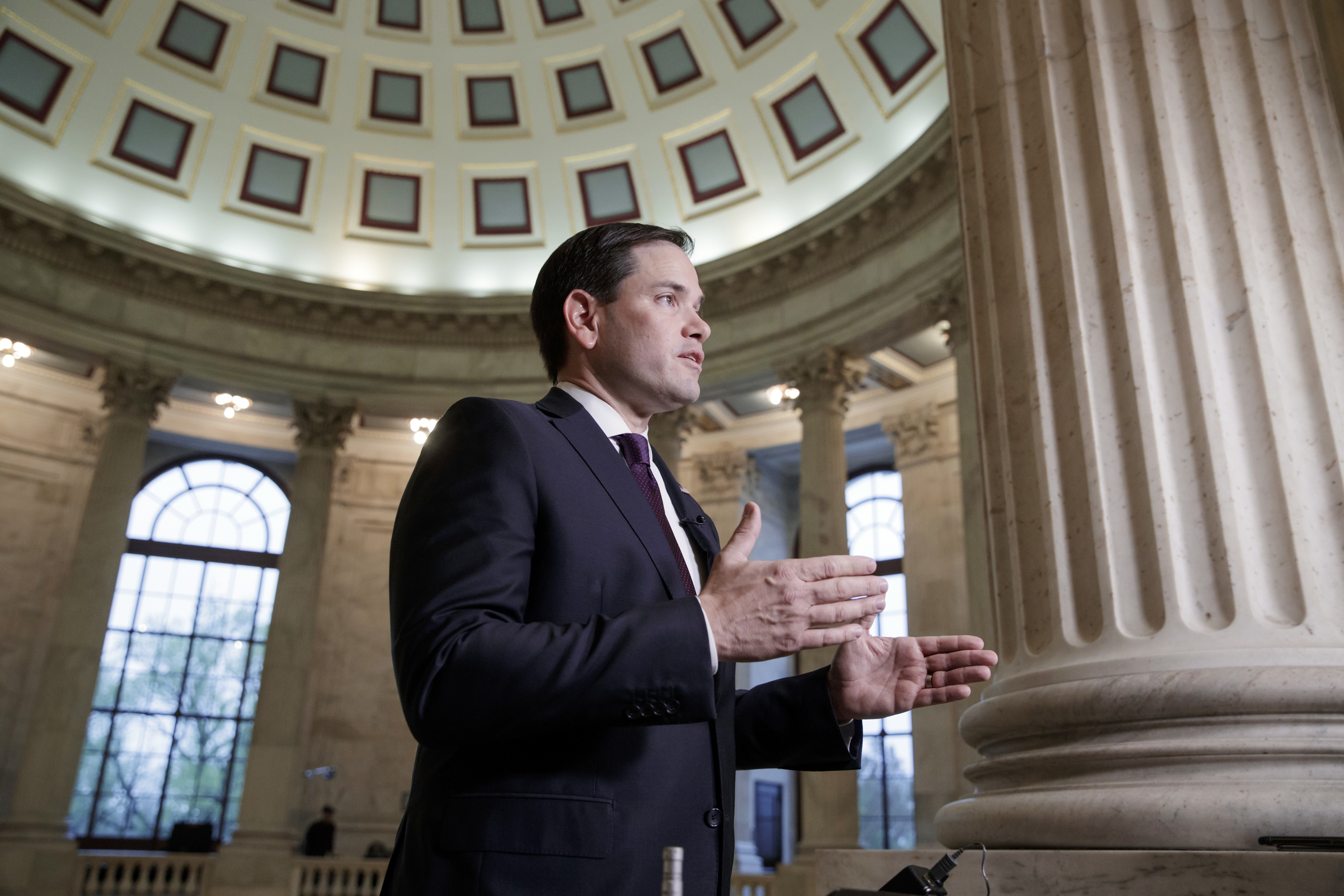
It's April 14, 2026. For the first time in over 30 years, direct diplomatic talks between Israel and Lebanon are actually happening. U.S. Secretary of State Marco Rubio is playing host to the Israeli and Lebanese ambassadors, Yechiel Leiter and Nada Hamadeh Moawad. The backdrop? A month of brutal fighting that's left thousands dead and a tenuous U.S.-Iran ceasefire that feels like it's held together by scotch tape.
Why These Talks are Different This Time
Historically, Israel and Lebanon don't "talk." They exchange messages through third parties or fire rockets at each other. Even the 2022 maritime deal was signed in separate rooms. This meeting is different because the Lebanese government, led by figures like Prime Minister Nawaf Salam and President Joseph Aoun, is trying to claw back sovereignty from Hezbollah.
I've seen plenty of these "preparatory" frameworks fall apart, but there's a unique desperation in Beirut right now. The Lebanese state is basically bankrupt, and Hezbollah's decision to drag the country into another conflict has finally pushed the civilian leadership to the edge. They're not just looking for a ceasefire; they're looking for a way to exist without being a parking lot for Iranian proxies.
The Hezbollah Elephant in the Room
You can't talk about Israel and Lebanon without talking about the militia that actually holds the guns. Hezbollah has already called these talks "futile." While the ambassadors are drinking coffee in D.C., Hezbollah launched over 20 attacks on northern Israel today alone.
It's a messy paradox. The Lebanese government is at the table, but they don't have total control over the southern border. Israel knows this. Prime Minister Benjamin Netanyahu has been blunt: no ceasefire happens without a tangible plan to disarm Hezbollah.
From an expert perspective, the strategy here is clear. Israel is trying to delegitimize Hezbollah by treating the Lebanese government as the only adult in the room. If they can strike a security deal with Beirut, it makes Hezbollah look like the only thing standing between the Lebanese people and safety. It's a high-stakes gamble to peel the state away from the militia.
What's Actually on the Table
Don't buy the "comprehensive peace" narrative yet. The discussions are focused on three gritty, difficult pillars:
- Demilitarizing the Border: Israel wants a buffer zone. They’ve already suggested they won’t let displaced civilians return to southern Lebanon until they’re sure Hezbollah isn’t hiding in the basement next door.
- The Role of the Lebanese Armed Forces (LAF): There’s a proposal to deploy the actual Lebanese army to the south. The problem? The LAF is underfunded and, frankly, outgunned by Hezbollah.
- Border Demarcation: They’re trying to settle the land border disputes that have been used as excuses for "resistance" for decades.
Honestly, the "security zone" Israel is currently carving out with tanks is their insurance policy. They're talking in Washington, but they're digging in on the ground. It’s a classic "talk and fight" strategy.
The Trump Administration's Pressure Cooker
The timing isn't accidental. This is happening under the heat of a U.S. naval blockade on Iranian ports. The Trump administration is using a "maximum pressure" 2.0 approach to force Iran—and by extension, its proxies—to the table.
Secretary Rubio called this a "once-in-a-lifetime opportunity." That's classic diplomatic hyperbole, but there's a grain of truth in it. We have a Lebanese government that's actually willing to say out loud that Hezbollah's weapons are illegal. That’s a seismic shift from the usual "we support the resistance" script we've heard for 20 years.
The Reality Check
Is this going to end the war by Friday? No.
The mistrust is deep. Lebanese citizens remember the 2024 ceasefire violations. Israelis remember the rocket barrages that emptied their northern towns. There’s a very real chance these talks end with a polite press release and more airstrikes.
But if you’re looking for a sign of where the region is heading, watch the Lebanese government's posture. If they stick to these talks despite Hezbollah’s threats, we’re seeing the first real attempt to "Lebanon-ize" Lebanon again.
If you want to track the progress, look at the "LAF deployment" metrics. If we start seeing Lebanese Army units moving south with U.S. and French backing, the D.C. talks are working. If the rockets keep flying and the ambassadors head home early, it’s back to the status quo of a "forever war."
The next move is on Hezbollah. They either watch the state negotiate over their heads or they double down on the chaos to tank the talks. My money is on the latter, but for the first time in a generation, the Lebanese state is actually fighting back with a pen instead of just taking the punches.