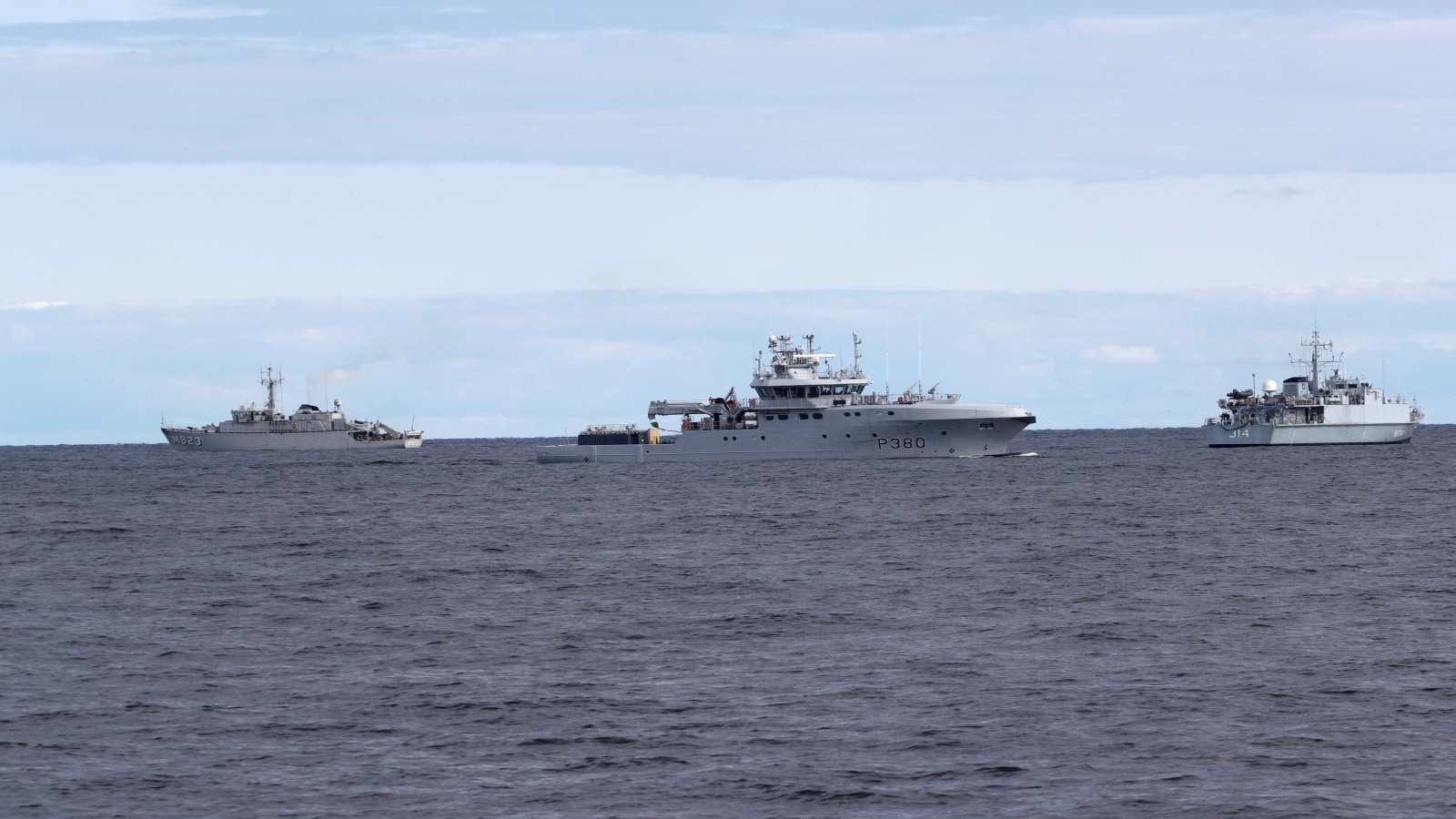
Commercial shipping in the Black Sea has transformed into an improvised industrial laboratory. Grain carriers, chemical tankers, and container ships transiting regional waters are no longer relying solely on diplomatic corridors or standard insurance policies to survive. Instead, crews and maritime operators are welding makeshift anti drone screens, hanging chain link fencing, and erecting scrap metal cages directly onto their superstructure decks.
This urgent fortification effort responds to an escalating campaign of uncrewed surface vessel and aerial loitering munition strikes targeting civilian logistics. When international maritime law and naval protection fall short in contested zones, commercial operators take defense into their own hands. The results are raw, industrial, and fundamentally changing how merchant mariners view their personal safety at sea. Also making news in related news: Inside the Himalayan Water Bomb Crisis Nobody is Talking About.
The Engineering Reality Of Sea Metal Cages
Military doctrine rarely translates neatly to commercial shipping. Naval combatants feature specialized armor plating, compartmentalized hulls, and dedicated close in weapon systems designed to absorb or deflect kinetic impacts. A standard Panamax bulk carrier features none of these attributes. Built for maximum cargo volume and fuel efficiency, modern merchant hulls are constructed from high tensile steel optimized for structural load, not blast resistance.
When operators attempt to shield these vessels, they run into severe engineering limitations. Adding weight high above the waterline compromises stability. A badly calculated steel cage or makeshift radar mast shield can alter a ship's center of gravity, risking capsize during heavy weather. More insights on this are covered by The New York Times.
Crews are turning to lightweight aluminum frames, surplus wire mesh, and improvised spaced armor configurations. This material absorbs the initial kinetic energy of an approaching loitering munition or triggers its contact fuse prematurely. The explosive charge detonates several feet away from the actual steel hull or bridge windows, dampening the primary shockwave and reducing shrapnel penetration.
Yet these field expedients are far from foolproof. Corrosive saltwater environments rapidly degrade welded joints and unpainted structural steel. A cage built in a Turkish shipyard during a hurried turnaround can weaken significantly after a few weeks of pounding waves and salt spray.
Economic Pressures And The Cost Of Staying Out
The decision to install physical protection systems involves a brutal financial calculation. Insurance premiums for Black Sea transits have historically spiked during periods of intense hostilities. Owners face a grim choice. Pay exorbitant underwriting fees or pull out of lucrative Ukrainian and regional ports entirely.
Opting out means abandoning critical agricultural export routes that feed global markets, particularly across North Africa and the Middle East. Remaining operational requires absorbing the cost of minor retrofits, security escorts where available, and the psychological toll placed on civilian mariners.
Shipowners are balancing liability against survival. If a vessel lacks physical countermeasures and suffers a direct hit to the navigation bridge, the loss of life and property is absolute. Insurance investigators now scrutinize whether operators took reasonable steps to mitigate known asymmetric threats. Improvised anti drone defenses serve a dual purpose. They offer a tangible layer of kinetic protection while providing legal cover for operators attempting to demonstrate due diligence in an active war zone.
+-------------------------------------------------------------+
|               TYPICAL IMPROVISED DEFENSE LAYOUT             |
+-------------------------------------------------------------+
| [Bridge Roof] ----> Wire Mesh Canopy (Anti-Loitering Drone) |
| [Hull Sides]  ----> Chain-Link Screens (USV Detonation Buffer)|
| [Engine Room] ----> Sandbag Reinforcement (Shrapnel Control) |
+-------------------------------------------------------------+
Shifting Tactics In Asymmetric Naval Warfare
The proliferation of low cost aerial drones and high speed uncrewed surface craft has rewritten the strategic playbook. Traditional blue water navies built fleets optimized for power projection against peer adversaries. They never anticipated defending low speed commercial freighters against swarming, remote controlled watercraft laden with explosives.
As naval forces adapt their doctrine, merchant vessels remain the primary soft target. Aerial reconnaissance drones track commercial traffic from cruising altitudes, relaying coordinates to loitering munitions or fast attack craft. In response, crews have added passive countermeasures alongside physical metal barriers.
Thermal blankets are draped over exhaust stacks to mask heat signatures against infrared tracking sensors. Dummy radar reflectors and decoy silhouettes are occasionally rigged to confuse incoming optical guidance systems. Some vessels have even experimented with localized electronic jamming units, though maritime frequency regulations and the risk of interfering with critical navigation gear limit their widespread deployment.
These tactics reflect a return to guerrilla engineering at sea. Modern logistics networks, traditionally viewed as administrative cogs in global supply chains, are operating with the defensive posture of combat support vessels.
The Human Element Behind The Weld
Beneath the structural calculations and insurance ledgers lies the human reality of sailing into a combat zone. Deckhands and chief engineers are transforming into amateur fabricators, spending hours with cutting torches and arc welders between port calls.
Morale remains a persistent friction point. Merchant mariners sign employment contracts to navigate ships, manage cargo operations, and maintain marine diesel engines. They do not enlist to operate front line combat systems or test the structural integrity of scrap metal against military grade explosives.
Union representatives and maritime organizations have raised concerns regarding hazard pay, right of refusal clauses, and the psychological weight placed on civilian crews. When a ship enters a high risk zone protected by little more than welded rebar and hope, the psychological burden shifts entirely onto the people standing watch on the bridge wing.
Training programs have had to adapt overnight. Crews are drilled in rapid visual spotting, emergency evasive maneuvers in restricted channels, and damage control procedures specific to explosive breaches. The traditional routine of long ocean voyages has been replaced by perpetual vigilance, where every radar contact on the horizon demands immediate threat evaluation.
The waters of the Black Sea will remain contested for the foreseeable future. Until international security guarantees solidify or defensive technology matures, merchant crews will continue to modify their vessels with whatever materials they can source. Survival on these waves depends less on grand geopolitical strategy and more on the strength of the next weld.