The coffee in the downtown Caracas café was bitter, thick as motor oil, and served in a cracked porcelain cup that had seen better decades. Outside, the midday heat rose off the asphalt in shimmering waves, distorting the skeletal remains of stalled traffic and the listless footsteps of passersby. Inside, Maria wiped down the counter with a rag that had long forgotten its original color. She did not care about geopolitics. She cared that her electricity flickered like a dying candle four times a day, that the neighborhood butcher priced chicken in greenbacks she rarely touched, and that the men in suits kept flying in from Washington and Houston, stepping out of tinted SUVs into the humid air, carrying briefcases heavy with promises that never quite trickled down to her floorboards.
Oil. Everything in this country ran on it, bled for it, starved because of it.
Across town, behind the heavy, mirrored glass of a guarded ministry office, a different kind of transaction was unfolding. The American energy secretary was in town. Not for a photo opportunity, not for a lecture on democracy, but for the cold, unromantic math of survival. Global energy markets were a coiled spring, twitching under the pressure of distant wars and fractured supply chains. The world needed barrels. Venezuela had oceans of heavy crude trapped beneath its soil, a stubborn, sticky treasure that refineries in the US Gulf Coast were uniquely built to digest.
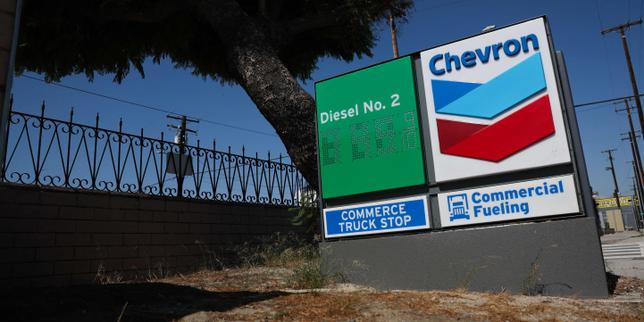
And then, the quiet announcement dropped like a lead weight. Chevron, the last American giant standing amidst the ruins of nationalized fields and broken contracts, had just secured new oil fields.
To understand why this matters, you have to look past the stock tickers and the dry regulatory filings. You have to look at a rust-streaked pump jack in the Orinoco Belt, groaning under the weight of decades of neglect.
Imagine Mateo, a petroleum engineer with thirty years under his belt, standing before a towering distillation column that hummed with a low, bone-rattling vibration. Mateo remembers when this facility was a temple of engineering. He remembers the hum of full production, the crisp uniforms, the cafeteria that served hot steak at midnight. Now, he wears boots caked in dried mud and watches gauges that swing wildly between panic and despair. When Chevron engineers walk these catwalks now, they are not bearing a magic wand. They are carrying flashlights into a dark, flooded basement.
The deal isn't a sudden romance. It is an arranged marriage born of absolute desperation. Washington needed to keep gasoline prices from spiking toward political catastrophe at home. Caracas needed cash, hard US currency that didn't evaporate into inflation by Tuesday morning. And so, the sanctions rusted just enough to let the pipeline flow.
Critics call it a betrayal of principles. They point to the political prisoners, the fractured institutions, the long lines of desperate families abandoning their homes for the Darién Gap. They argue that every barrel pumped under this agreement is a lifeline thrown to a regime that should have drowned in its own isolation. It is a compelling moral argument. It has the sharp, clean edge of righteousness.
But righteousness doesn't heat homes in Chicago or power the cargo ships crossing the Atlantic.
Walk through the dusty streets of Anzoátegui, where the air smells faintly of sulfur and burning brush, and the moral calculus gets messy. Here, people do not debate the ethics of foreign concessions; they debate whether the local Chevron-backed hospital has aspirin today. The corporate social responsibility budgets of these multinational oil giants have become, by default, the shadow government keeping basic civic infrastructure on life support. Water treatment plants rehabilitated. Local schools painted. Small, fragile pockets of economic life stitched back together with petrochemical thread.
Is it exploitation? Absolutely. Is it a lifeline? Ask the man whose paycheck depends on those rusty pump jacks spinning back to life.
The visit by the American energy secretary was orchestrated with the precision of a military campaign, shielded by motorcades and whispered protocols. But beneath the diplomatic theater lies a stark geological truth. The world is addicted to carbon, and quitting cold turkey is a fantasy that crashes against the reality of winter heating bills and jet fuel demand. Saudi production is stretched, shale fields are maturing, and political instability threatens other vital arteries.
So the gaze turns back to Venezuela. The sleeping giant of heavy crude.
For Chevron, these new fields represent a calculated gamble. Billions of dollars sunk into a jurisdiction where the rules of the game can change with a midnight presidential decree. They are betting that pragmatism will finally outweigh ideology, that the sheer gravitational pull of capital will keep the valves open even when the political rhetoric turns sharp. They are betting that oil, as it has for a century, will write its own laws.
Back at the café, Maria pours another cup of bitter black liquid for a regular who pays in crumpled dollar bills. She doesn't know the name of the American secretary. She doesn't know the exact acreage of the new concessions granted in the basin. She only knows that the price of bread went up again this morning, and that somewhere out there, deep in the sweltering plains of her country, giant metal machines are waking up from a long, dead sleep, pumping black gold upward into a sky that has watched it all before.