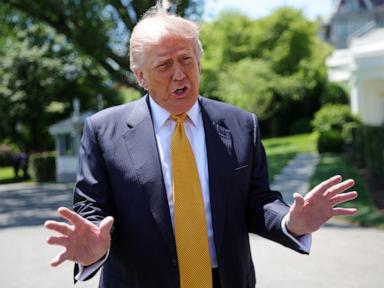
President Donald Trump is heading to Beijing for a two-day face-off with Xi Jinping, and honestly, the timing couldn't be more awkward. On paper, this May 14-15 summit is supposed to be the "big, fat hug" Trump promised—a chance to hash out trade, artificial intelligence, and those pesky rare-earth export controls. But you can't ignore the smoke rising from the Middle East. While both leaders want to talk about Boeing planes and 145% tariffs, the two-month-old war in Iran is basically sitting in the middle of the conference table.
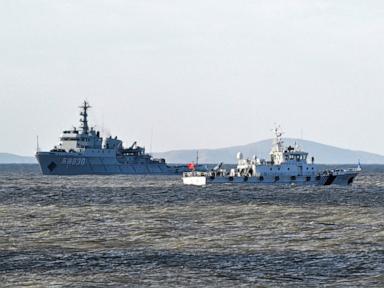
The Strait of Hormuz is clogged. Global oil markets are on edge. Yet, here are the world's two biggest powers trying to play a high-stakes game of "business as usual." It won't work.
The Sanction Dance and Secret Shipments
Trump’s administration hasn't made things easy. Just days before the trip, the State Department slapped sanctions on three Chinese firms for allegedly feeding satellite imagery to the Iranian military. It’s a messy reality. China is Iran’s biggest customer, buying about 13% of its total oil imports through a "shadow trade" that Washington is desperately trying to choke off.
You’d think this would blow up the summit before it starts. Instead, Trump is doing his usual routine: venting one day and praising Xi’s "respectful" nature the next. He knows he needs China. If the Strait of Hormuz stays closed, the global economy takes a hit that no tariff deal can fix.
What China actually wants
Beijing isn't looking to be the world's policeman. They've been remarkably risk-averse since the U.S. and Israel launched strikes back in February. While they talk a big game about being a "peacemaker," their primary goal is protecting their energy supply. They’ve sent subtle "we’re not happy" signals to Tehran about the shipping blockages, but they aren't about to do Washington’s dirty work for free.
Xi wants three things from this meeting:
- Validation of China’s superpower status.
- Predictability on tariffs so Chinese factories don't go bust.
- A guarantee that the U.S. won't go too far with Taiwan while everyone is looking at Tehran.
The Leverage Game Nobody Wins
Trump thinks he has the upper hand because the U.S. is less dependent on Middle Eastern oil than China. In his mind, the closure of the Strait hurts Beijing more than it hurts Iowa. He’s not entirely wrong, but it’s a dangerous gamble. If China decides to fully activate its 2021 "Blocking Statute"—which they've finally started using—to ignore U.S. sanctions, the entire global financial system gets a lot more fractured.
We’re seeing a shift in how these summits work. It used to be about long-term strategy. Now, it’s about crisis management. The Brookings Institution has been pointing out that the bureaucratic preparation for this meeting has been thin. That’s because the agenda changes every time a drone hits a tanker.
Trade War vs. Shooting War
Don't let the talk of "peace" fool you. The trade tensions are still white-hot. After the Supreme Court tossed out some of the old tariff structures in February, the administration has been scrambling to rebuild its trade barriers.
- Agriculture: Expect a headline-grabbing deal where China buys billions in U.S. soy and corn. It’s the classic "win" Trump loves to take home.
- The Fentanyl Factor: This is a major domestic win for Trump if he can get Xi to actually crack down on precursor exports.
- AI Guardrails: Both sides are terrified of AI-driven military escalation, so a consensus statement here is a low-hanging fruit.
But then there's the military reality. China reportedly backed out of joint naval drills with Russia and Iran just before the summit. That's a huge signal. They’re basically telling Trump, "We aren't in a formal alliance with Tehran, so don't treat us like we're the enemy in this war."
Why the "Big Fat Hug" Might Be a Cold Shoulder
Beijing is terrified of looking like they’re "fawning" over Trump. In 2017, they gave him the "state visit plus" treatment with a dinner in the Forbidden City. This time? Don't expect the same red carpet. Chinese officials are worried that an overly lavish welcome would look weak while the U.S. is actively bombing their energy partner.
You're going to see a lot of "agreeing to disagree" on Iran. Trump will claim he’s got the situation under control. Xi will call for "restraint" and "multilateralism." Meanwhile, the real work will happen in the side rooms where Treasury Secretary Scott Bessent and Trade Rep Jamieson Greer try to stop a total economic decoupling.
The reality is that neither leader can afford a total collapse of the relationship right now. The Iran war has made the world too volatile for a full-scale U.S.-China trade explosion. They’re basically two people in a sinking lifeboat—they might hate each other, but they’ve both got to row if they want to reach the shore.
If you’re watching the news this week, ignore the handshakes. Look at the oil prices and the wording on "maritime security." That’s where the real story is. If they can’t agree on a way to open the Strait, all the soy purchases in the world won’t save the global markets from a rough summer.
Check the shipping rates in the Gulf of Oman by Friday. If they don't drop, the summit was a bust, no matter what the joint statement says.