Rumors spread fast in West Asia, but diplomatic reality moves at its own stubborn pace. Tehran recently cleared up a massive media storm by pushing back against claims that it received an official invitation to join the Mecca Joint Defense Agreement.
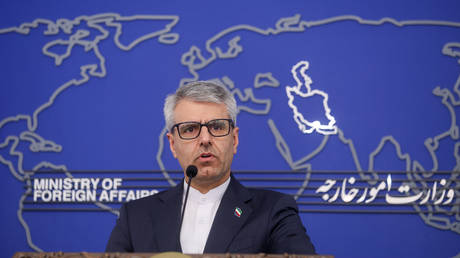
If you tracked the headlines over the last few days, you probably saw reports claiming Iranian leadership was actively reviewing an offer to enter the newly formed security umbrella. Iranian Foreign Ministry spokesperson Esmail Baqaei stepped up during a press briefing to shut those rumors down. He stated clearly that no formal invitation has landed on Tehran's desk.
The Real Story Behind the Mecca Agreement
Signed on August 7, the trilateral pact brings together Saudi Arabia, Türkiye, and Pakistan. The core of the deal mimics a collective security guarantee: an armed strike against any single member is treated as an assault on all three. It was built to create independent regional deterrence without relying entirely on outside superpowers.
Turkish President Recep Tayyip Erdogan hinted earlier that the coalition shouldn't stay exclusive. He voiced an aspiration for the architecture to expand, welcoming other regional neighbors over time. That open-ended ambition is what triggered regional media networks to jump the gun and announce that Tehran was next in line for membership.
Why Tehran is Playing it Cool
Even though an official paper invitation hasn't been delivered, Iran isn't slamming the door shut on dialogue. Baqaei acknowledged that broader discussions regarding collective security have taken place through various channels.
Why does this matter? For years, Tehran argued that regional security should be managed locally rather than outsourced to Western actors. Seeing heavyweights like Riyadh and Ankara build an indigenous military framework looks, on paper, like a step toward a goal Iran has championed.
At the same time, domestic optics matter. Jumping straight into a security pact initiated by historical regional rivals would require a massive shift in narrative for Iran's hardline political factions. Acknowledging talks while denying a formal invite allows Tehran to test the diplomatic waters without looking overly eager.
What Happens Next in West Asia
The security dynamic in the region is shifting away from traditional Western security guarantees, especially after recent conflicts exposed the limits of foreign intervention. While the Mecca pact still has to prove its teeth during actual security crises, the conversation alone changes how regional capitals view alliances.
Keep an eye on backchannel communications between Tehran, Riyadh, and Ankara. Formal invitations might not exist today, but the push for an inclusive regional security framework is moving faster than expected.