Elias stands at the edge of a rain-slicked intersection in northern Ohio, watching the numbers on the plastic signage above the Sunoco station. They don’t move, not yet. But he knows they will.
For a long-haul trucker like Elias, these numbers are not mere statistics on a screen. They are the difference between a week that pays for his daughter’s braces and a week spent running just to break even. When oil prices edge down—even by a fraction of a percentage—it feels like a microscopic weight lifting off his chest. It is a momentary gasp of oxygen.
Halfway across the country, in a high-rise office overlooking the Chicago river, a junior analyst named Sarah watches a different set of numbers. Her eyes are locked on the S&P 500 futures. They are inching upward, a slow, green ascent that signals a tentative optimism in the markets.
These two people will never meet. They live in different worlds, defined by different pressures. Yet they are bound together by the same global nervous system. When the price of a barrel of crude oil slips, the cost of moving goods through the American artery system decreases. When stock futures rise, it suggests that the giant, collective machine of industry is preparing to accelerate.
The relationship between these two metrics—the price of energy and the promise of future profit—is the underlying rhythm of our lives.
The Gravity of the Barrel
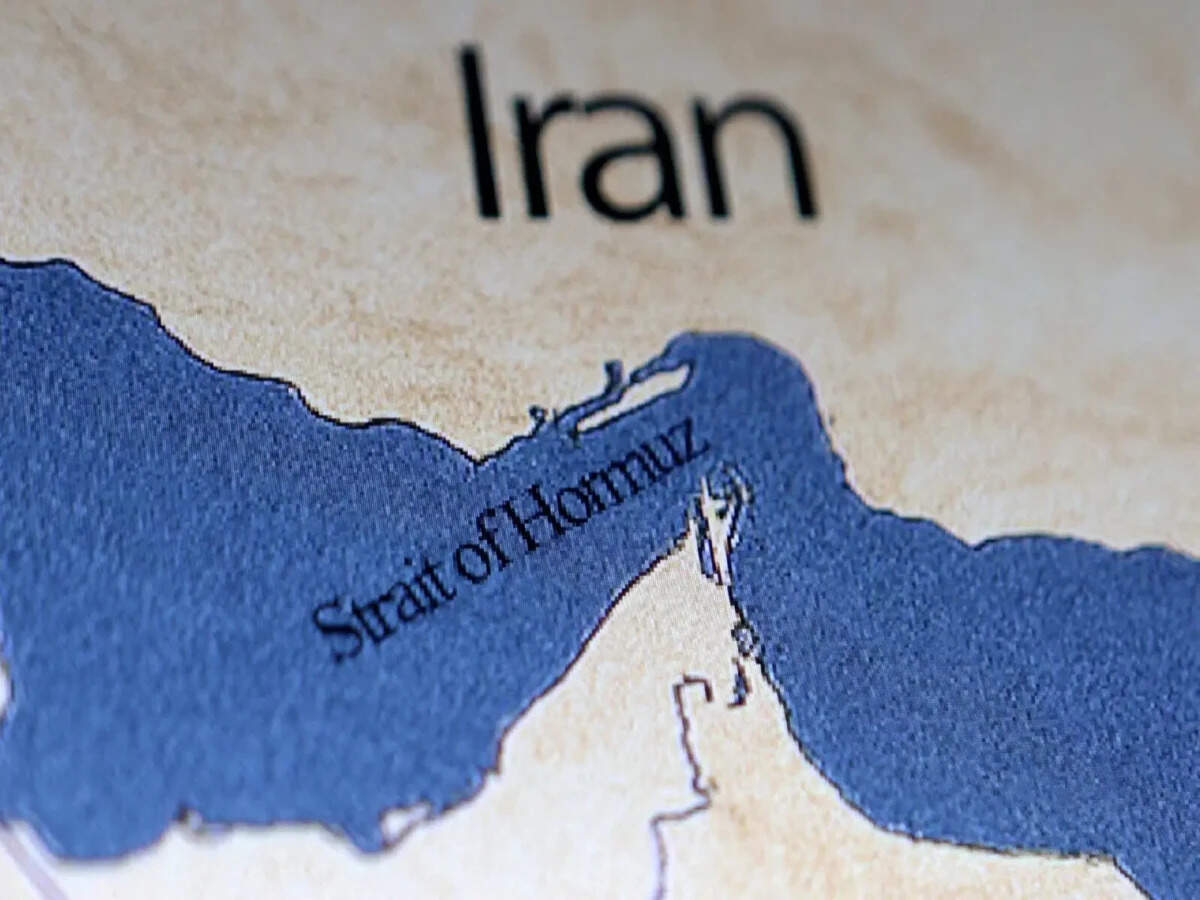
To understand why oil is slipping, you have to look at the global supply chain not as a series of spreadsheets, but as a giant, creaking dam. For months, the pressure behind the dam has been building. Geopolitical tensions in the Middle East usually act like a torch to the fuse of oil prices, sending them skyrocketing on the mere hint of a supply disruption.
However, the current reality is more nuanced. The world is awash in oil. Production in the United States has hit record highs, acting as a massive counterweight to the efforts of OPEC+ to keep prices elevated by cutting their own output.
Think of it as a tug-of-war. On one side, you have the traditional giants trying to pull the rope toward scarcity and higher profits. On the other, you have a relentless surge of domestic production and a slowing demand from China, the world's largest importer. China’s economy, once a ravenous engine for energy, is currently coughing. Their factories aren't humming with the same intensity. Their real estate market is shivering.
When China slows down, the world feels it at the pump in Ohio.
This drop isn't a freefall; it’s an "edging down." It’s a slow leak in a tire rather than a blowout. Brent crude and West Texas Intermediate (WTI) are hovering in a range that suggests the market is waiting for a signal. They are looking for a reason to move, paralyzed by the uncertainty of whether the next global headline will be a peace treaty or a new front in a war.
The Psychology of the Future
While oil is the physical weight of the economy, stock futures are its spirit.
A "future" is a strange, metaphysical thing. It is a bet made today about how we will feel tomorrow. When Sarah sees those futures inching up, she isn't seeing current profits. She is seeing the collective belief of thousands of traders that the companies making up the American economy are going to be more valuable in the months to come than they are today.
Why the optimism?
The cooling of oil prices is a significant part of it. Energy is the "tax" on every single human activity. It costs energy to grow a head of lettuce, energy to ship it, and energy to keep the lights on in the grocery store where it is sold. When that tax decreases, companies have more "dry powder"—cash they can use to hire, to innovate, or to buy back their own shares.
There is also the ghost of the Federal Reserve. Investors are like children watching their parents' facial expressions for a hint of whether they’re going to get a treat. They are looking for any sign that inflation is finally under control. Lower oil prices are the most visible sign of cooling inflation. If the "tax" of energy stays low, the Fed might finally feel comfortable lowering interest rates.
Lower rates mean cheaper loans for the family buying their first home and cheaper capital for the tech startup in Austin trying to build the next generation of software. The "inching up" of futures is the sound of the market exhaling.
The Friction of Reality
But if everything is so positive, why aren't the numbers leaping? Why is it only an "inch"?
Consider the hypothetical scenario of a medium-sized manufacturing firm in the Midwest. Let's call them "Mid-State Components." The CEO, a woman named Marcus, is looking at the same data Sarah is. She sees the oil prices dropping, which saves her company $15,000 a month in shipping costs. She sees the market optimism.
But Marcus is hesitant.
She knows that a lower oil price can sometimes be a double-edged sword. If oil is down because the world is heading into a recession, her customers won't buy her components, no matter how cheap it is to ship them. The "inching" represents a profound caution. We are in a period of "wait and see."
The markets are currently trapped in a state of high-functioning anxiety. We have survived the post-pandemic inflation spike. We have survived the fastest interest rate hikes in forty years. We are standing on a narrow ridge. On one side is a "soft landing," where the economy cools just enough to stop inflation without crashing. On the other side is a ravine of stagnation.
The Human Cost of the Decimal Point
The numbers we see on the news—the 0.4% drop in WTI, the 12-point rise in the S&P futures—are abstractions that mask deep human drama.
For the retiree living on a fixed income, a lower oil price means they don't have to choose between a full tank of gas and fresh produce this week. For the young couple trying to buy their first home, those rising futures represent the hope that the economy will remain strong enough for them to keep their jobs, even as they take on a massive mortgage.
We often talk about the "market" as if it were a weather pattern or a god. It is neither. The market is simply the sum total of millions of individual decisions made by people like Elias, Sarah, and Marcus. It is the record of our collective fear and our collective greed, our caution and our confidence.
The current movement—oil down, stocks up—is a portrait of a world trying to find its footing after a long period of dizziness. It is a moment of precarious balance.
The invisible stakes are found in the quiet moments. They are in the silence of a boardroom where a hiring freeze is either extended or lifted. They are in the kitchen of a suburban home where a father looks at a gas receipt and decides he can afford to take the kids out for pizza after all.
The Long Road
Elias climbs back into the cab of his truck. He checks his GPS, adjusts his mirrors, and pulls back onto the highway. The engine roars, consuming the diesel that has become just a few cents cheaper since yesterday morning.
He doesn't think about "global macro trends." He doesn't think about "the Brent-WTI spread." He thinks about the three hundred miles between him and his next delivery. He thinks about the rhythm of the road.
The economy is doing exactly what Elias is doing. It is shifting gears, trying to maintain its momentum while navigating a landscape of unpredictable turns and changing conditions. The slight dip in oil and the modest rise in futures are the sounds of that gear shift.
It is not a revolution. It is not a collapse. It is the steady, grinding work of a world trying to move forward, one inch, one barrel, and one mile at a time.
The rain continues to fall on the Ohio intersection, washing away the grit of the day. The numbers on the sign remain still, but the world beneath them is vibrating with a million tiny, consequential shifts. We are all passengers on this journey, watching the dashboard, hoping for a clear road and a favorable price, bound together by the thin, invisible threads of a global economy that never sleeps and never truly stands still.