The microscopic parasite Cyclospora cayetanensis is currently tearing through the United States, leaving thousands of people with weeks of explosive, watery diarrhea, severe bloating, and muscle fatigue. South of the border, the Centers for Disease Control and Prevention (CDC) is tracking a massive surge: over 1,600 confirmed domestic cases and upwards of 5,100 additional infections under investigation. The epicenter, Michigan, has alone logged more than 3,000 cases, with local health authorities pointing toward contaminated lettuce or packaged salad greens.
Yet, across the border, the official stance from Canadian public health agencies remains remarkably calm. The Public Health Agency of Canada (PHAC) states it is not currently investigating any active domestic outbreaks. The Canadian Food Inspection Agency (CFIA) has flatly rejected implementing any import restrictions on U.S. produce, maintaining that routine testing is sufficient to protect the public.
This regulatory complacency masks a much more volatile reality. While federal agencies insist there is nothing to worry about, provincial data reveals a sharp, unexplained spike in infections.
The Disconnect Between Federal Calm and Provincial Reality
In Quebec, health officials have quietly sounded the alarm. The province has recorded 107 cases of cyclosporiasis this year—more than triple the 30 cases reported during the exact same period last year. While the provincial health ministry claims most of these infections are tied to international travel (specifically to Mexico), a lingering subset of cases has no clear travel history, leaving the source of exposure entirely unaccounted for.
Meanwhile, British Columbia has registered 93 cases. B.C. health officials admit they regularly see a seasonal spike in non-travel-related Cyclospora infections linked to imported raw produce. When pressed on whether these infections are linked to the tainted supply chains fueling the American crisis, federal regulators remain silent.
The official narrative is that Canada's food supply is isolated from the American disaster. But this claim ignores the fundamental integration of the North American agricultural supply chain.
[U.S. Agricultural Centers]
       │
       ├─► [U.S. Domestic Markets] ──► (Widespread Outbreaks: 6,700+ projected cases)
       │
       └─► [Canadian Food Terminals] ──► (Routine Customs Screening / No Import Bans)
The produce on Canadian grocery shelves—specifically the pre-packaged salad mixes, cilantro, basil, and berries that frequently harbor the parasite—originates from the exact same corporate farms, processing facilities, and distribution hubs supplying U.S. supermarkets.
Why Washing Your Lettuce Won't Save You
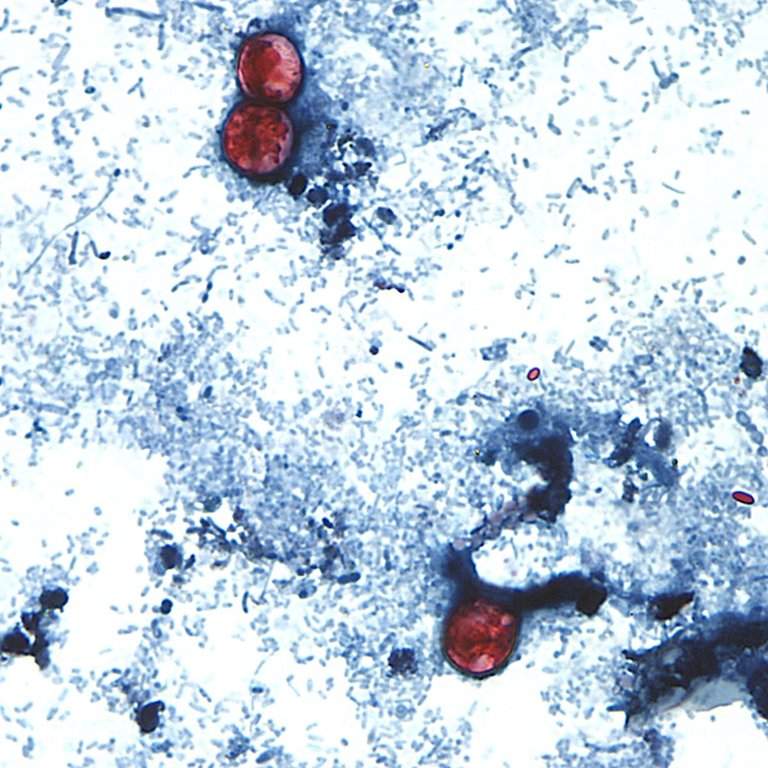
To understand why this parasite is an investigative and regulatory nightmare, you have to understand the biology of the organism. Cyclospora cayetanensis is not a bacterium like E. coli or Salmonella. It is a protozoan parasite.
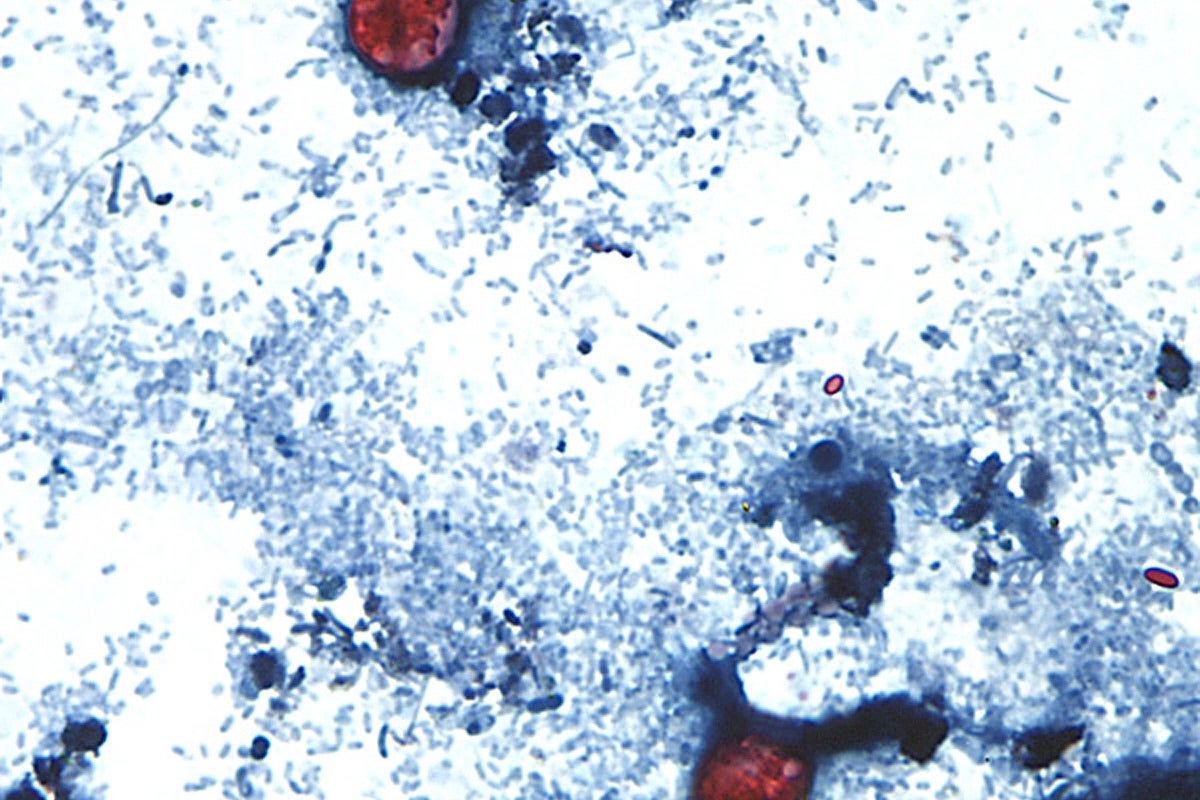
When Cyclospora oocysts (the parasite's egg-like stage) are shed in human feces, they contaminate irrigation water or the hands of agricultural workers. Once those oocysts land on a piece of romaine lettuce or stick to the rough, microscopic crevices of a raspberry, they cannot simply be rinsed off.
The outer wall of a Cyclospora oocyst is incredibly tough, acting like a chemical-resistant shell. It is impervious to standard chlorine washes, sanitizers, and acid treatments used in commercial produce processing plants. Chlorine-based washes are highly effective at killing bacteria, but they do virtually nothing to stop protozoan parasites.
Furthermore, the physical structure of leafy greens works to the parasite's advantage. Cut edges of lettuce release sticky plant sap that traps microscopic pathogens. Once a Cyclospora oocyst is embedded in these sticky crevices, no amount of agitation under a kitchen tap will dislodge it.
[Parasite Oocysts in Irrigation Water]
       │
       ▼
[Leafy Greens / Cut Edges of Lettuce] ◄── Sap traps oocysts in microscopic crevices
       │
       ▼
[Chemical Wash Phase (Chlorine)] ◄── Destroys bacteria, but fails to penetrate oocyst shell
       │
       ▼
[Consumer Ingestion] ──► (Parasite remains viable and infectious)
The only surefire way to kill the parasite on produce is to cook it to at least 158 degrees Fahrenheit (70 degrees Celsius). But no one cooks romaine lettuce or fresh basil before tossing them into a summer salad.
The Systematic Blinding of Public Health Tracking
The scale of the current North American outbreak is not just an ecological accident; it is the direct result of a systematic dismantling of food safety oversight.
In 2025, the U.S. executive administration enacted sweeping administrative changes that significantly weakened the CDC's foodborne illness tracking capabilities. Specifically, the Foodborne Diseases Active Surveillance Network (FoodNet)—a critical multi-agency system designed to catch outbreaks early—made state-level reporting of Cyclospora cases optional.
This policy change effectively blinded epidemiologists. By the time the 2026 spring and summer produce seasons arrived, the early-warning radar had been shut down. Without mandated national surveillance, localized clusters of food poisoning were allowed to spread quietly across state lines, morphing into a massive multi-state outbreak before the public was ever warned.
Canada's health system relies heavily on U.S. data to identify contaminated agricultural sources. Because Canadian authorities do not have the resources to trace every imported leaf of lettuce back to its exact field of origin, they depend on the CDC and FDA to identify which specific farms or distributors are compromised. With the U.S. surveillance system hobbled, Canadian regulators are flying blind, unable to execute targeted product recalls because the source of the American outbreak remains officially unidentified.
The Diagnostics Gap and the Reality of Underreporting
If you contract Cyclospora, the odds of a quick and accurate diagnosis are low.
Standard medical lab tests for food poisoning—specifically the stool cultures run for bacterial infections—do not detect Cyclospora. Detecting this parasite requires a highly specific ova and parasite (O&P) test, or a modern gastrointestinal PCR panel. Many clinics do not routinely order these tests unless a patient explicitly requests them or mentions recent travel to an endemic area.
Furthermore, the parasite is shed in stool inconsistently. A patient can be highly symptomatic but submit a sample on a day when few oocysts are being shed, resulting in a false-negative lab result.
Because of these diagnostic hurdles, the reported case counts in Canada and the U.S. represent only the tip of a very large iceberg. Epidemiologists estimate that for every laboratory-confirmed case of cyclosporiasis, dozens more go unreported, dismissed by victims as a typical "stomach bug" that eventually resolves after weeks of unexplained misery.
Protecting Yourself Beyond the Official Guidelines
With federal agencies choosing economic trade preservation over aggressive import restrictions, the burden of protection falls entirely on the individual consumer.
Relying on pre-washed, pre-packaged salad bags from major grocery chains is currently a high-risk gamble. These processing facilities pool greens from multiple farms, meaning a single contaminated field can taint thousands of packages distributed across an entire region.
During the peak spring and summer outbreak months, the safest course of action is to shift your raw produce consumption away from vulnerable imports. Opt for local, greenhouse-grown greens where water sources are strictly controlled, or stick to vegetables that can be thoroughly cooked. If you must consume imported herbs or berries, cook them down into sauces or compotes.
The current surge is a stark reminder that our globalized food system is only as strong as its weakest regulatory link. Until public health surveillance is fully restored and agricultural water standards are aggressively enforced, the safety of your salad remains entirely up to you.
.png?width=1200&auto=webp&trim=0%2C0%2C0%2C0)