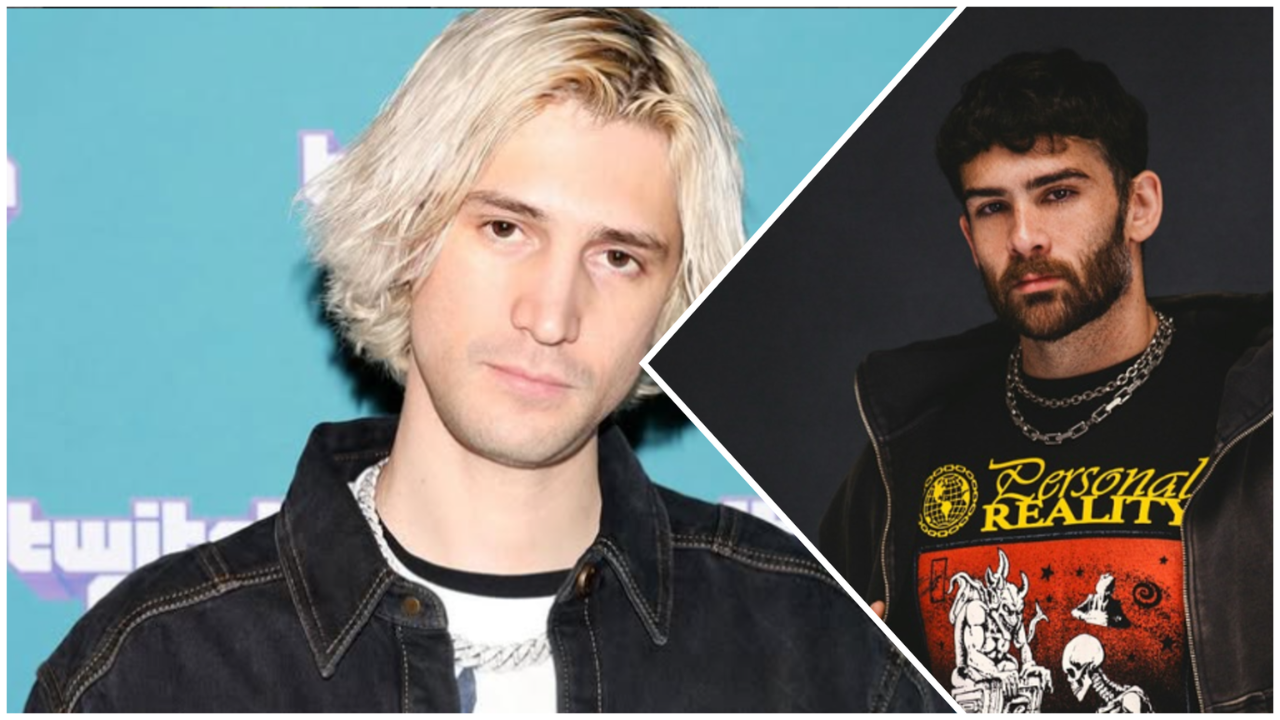
Internet drama rarely dies quietly, especially when massive creators collide over a viral clip. Felix "xQc" Lengyel recently reignited the prolonged debate surrounding Hasan Piker and his dog Kaya, cutting straight through the noise with a blunt message: stop crying about coordinated smear campaigns and just own the situation.
If you follow streaming culture, you already know how this started. A livestream clip showed Hasan interacting with Kaya, a sudden yelp, and an immediate online firestorm. Critics pointed fingers at an electronic training collar, claiming a shock function was used. Hasan denied the allegations, pointing to organized bad actors trying to manufacture outrage. But xQc isn't buying the grand conspiracy angle. Building on this topic, you can find more in: Why an All Female Drama Shortlist is Actually a Lazy Trap.
The Core Disconnect In Streamer Accountability
When public figures get caught in messy PR storms, the instinct is usually self-preservation. Deflection becomes the default tool. Yet, xQc argued that Hasan's handling of the backlash created a much bigger fire than the initial incident ever warranted.
Think about how internet audiences operate. If a creator steps up, admits a lapse in judgment, and explains what they are changing, the mob typically moves on within days. Dragging out a fight against shadowy critics usually stretches a two-day news cycle into a multi-month saga. Analysts at Entertainment Weekly have shared their thoughts on this matter.
"Just say u shocked ur dog.. I shouldn't have done it, there's other ways of doing it and I'm doing that now," xQc stated during a broadcast, cutting through weeks of community hand-wringing.
Instead of deflecting toward outside actors or shadowy networks, taking an honest hit early on alters the trajectory entirely. Audiences respect direct admissions far more than endless defensive threads.
Why Smear Campaign Defenses Usually Fail
Blaming a targeted harassment campaign feels comforting when you have millions of followers watching your every move. It lets creators frame themselves as victims of a coordinated mob rather than individuals who made a poor choice.
The problem? It completely ignores how digital forensics work. Communities on platforms like Reddit and X love a good mystery. They zoom into pixels, analyze frame rates, and compare hardware models. Once a narrative gains momentum, shouting down the opposition only fuels the fire.
- Denial prolongs the spotlight: Fighting every single critic guarantees the story stays on trending pages.
- Transparency kills momentum: Admitting fault starves commentators of fresh debate material.
- The internet keeps receipts: Old clips surface instantly whenever a creator tries to pivot away from the topic.
Moving Past The Noise
Livestreamers wield immense influence, but they often struggle with basic crisis management. When millions tune in daily, trying to rewrite a narrative captured on high-definition video rarely works out.
Instead of hiding behind excuses or attacking critics, embracing radical candor remains the smartest play in modern digital media. Own the mistake, change the behavior, and let the algorithm starve.
Hasan's Dog Shocking Drama Continues
This video provides a deep dive into the ongoing commentary surrounding the viral clip and the reactions from various prominent streamers.
http://googleusercontent.com/youtube_content/1