Every time a high-profile structural scandal hits the headlines, the knee-jerk chorus rises from the peanut gallery. Politicians, self-appointed safety advocates, and pencil-pushing bureaucrats chant the exact same tired mantra: Hong Kong needs tougher inspection regimes. They demand more red tape, more oversight committees, and more clipboard-wielding officials crawling over every slab of concrete.
It sounds responsible. It feels proactive. And it is entirely, catastrophically wrong.
I have spent two decades watching developers, contractors, and municipal bodies play bureaucratic hide-and-seek. I have seen firms blow millions on compliance theater while structural integrity rotted from the inside out. Adding more inspectors to a broken system does not prevent disasters. It merely shifts the blame, inflates project costs, and gives negligent actors a wider bureaucratic smokescreen to hide behind.
If you want to understand why building fiascos happen, stop looking at the quantity of inspectors. Start looking at the perverse economic incentives driving the people who pour the concrete.
The Compliance Trap
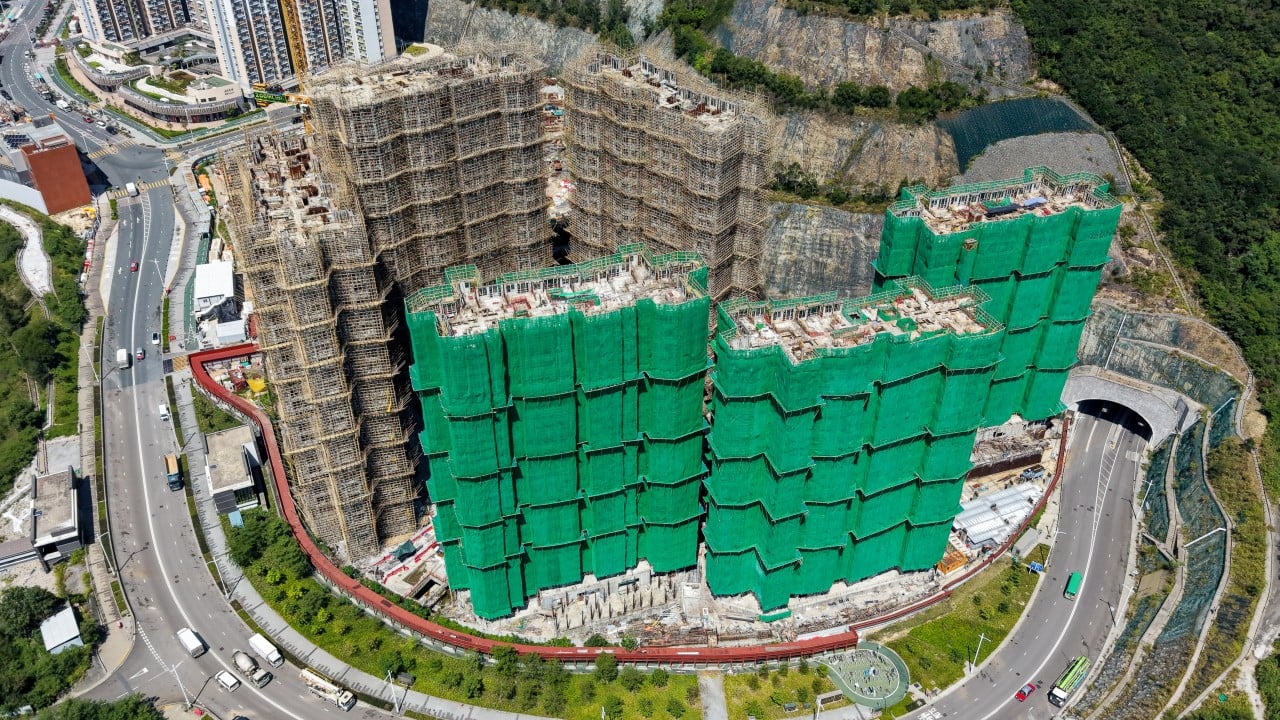
The lazy consensus in the wake of the CK Asset building controversy is that supervision failed because there were not enough eyes on the job. This assumes that quality is a direct linear function of surveillance. If three inspectors miss a flaw, twelve inspectors will catch it, right?
Wrong. In practice, regulatory saturation creates a phenomenon known as compliance drift. When oversight becomes so dense, mechanical, and box-ticking-obsessed, everyone stops thinking. The contractor's primary goal ceases to be building a resilient structure; it becomes surviving the audit.
Imagine a scenario where a site manager spends forty percent of their working hours filling out inspection logs, satisfying bureaucratic permutations, and preparing for surprise site visits from government agencies. That is forty percent less attention paid to actual site supervision, concrete curing temperatures, and rebar placement tolerances. You have engineered a system where the paper is pristine and the foundation is compromised.
Inspections are a lagging indicator of quality. By the time an inspector spots a structural deviation during a scheduled checkpoint, the concrete has already set, the masonry has cured, and remediation requires demolition. Relying on government oversight to catch structural flaws is like relying on a post-mortem to keep a patient alive.
The Economics of Corner-Cutting
Let us address the uncomfortable truth about why contractors take dangerous shortcuts on mega-projects. It has nothing to do with a lack of rules. The Buildings Ordinance in Hong Kong is already among the most rigorous legal frameworks in the world.
The issue is margin compression and delivery velocity. Developers face punishing timelines where a delay of a few weeks can cost tens of millions of dollars in financing costs and lost pre-sales. Meanwhile, subcontractor bidding wars drive profit margins down to the bone. When a sub-contractor wins a bid at an unsustainably low price, they have exactly two ways to stay solvent: cut labor quality or substitute materials.
More inspectors do not change this economic reality. If the financial penalty for getting caught is lower than the profit generated by cutting corners, regulations are nothing more than a cost of doing business.
To fix the industry, you have to align financial survival with structural perfection. That means shifting the burden of liability away from abstract corporate entities and onto the personal assets and operating licenses of the engineers of record and principal contractors. When a principal's personal wealth and professional standing are directly tied to the fifty-year integrity of every pillar they pour, the appetite for sketchy shortcuts vanishes overnight.
Dismantling the Bureaucratic Safety Blanket
The public demands blood and paperwork whenever structural flaws make the news. They want heads to roll and new oversight bodies to be minted. But creating another oversight committee is just political theater designed to soothe public anxiety without fixing structural mechanics.
Let us look at what actually works in high-stakes engineering environments: ruthless transparency and radical accountability.
First, digitize and open-source every phase of critical structural data. We live in an era where IoT sensors can monitor concrete curing temperatures, moisture gradients, and internal stress loads in real time. Instead of relying on a human being with a clipboard showing up once a week, mandate continuous sensor telemetry embedded directly into primary load-bearing members. If concrete cures too fast or voids form during a pour, the system flags it instantly—not three years later when the plaster starts cracking.
Second, dismantle the cozy relationship between primary developers and testing laboratories. Right now, private contractors often hire and pay the very testing agencies tasked with certifying their concrete strength and steel integrity. That is a glaring conflict of interest. Testing labs should be dispatched via an independent, randomized state lottery, funded by a universal industry levy, ensuring that no laboratory ever has an economic incentive to look the other way for a repeat client.
The Cost of False Security
There is a dark side to my approach, and I will admit it openly: radical accountability and technological oversight will slow down construction timelines and increase upfront costs. Developers will scream bloody murder. Projects will take longer to break ground, and housing units will carry a slightly higher initial price tag.
But ask yourself what costs more: building it right the first time, or tearing down a multi-story residential block because the inspection regime mistook a mountain of paperwork for actual engineering competence.
We can continue living in a fantasy world where hiring more inspectors keeps buildings standing, or we can face the engineering reality that quality cannot be legislated into existence. Stop asking for more oversight. Start demanding skin in the game.