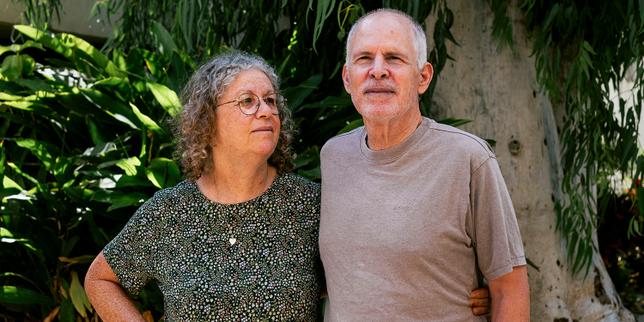
Three years after the October 7 attacks shook southern Israel, the psychological and physical aftermath continues to reverberate through the lives of survivors like Aviva and Keith Siegel. Abducted from their home in Kibbutz Kfar Aza, the couple endured an ordeal that transformed them into international symbols of endurance, yet left wounds that refuse to cleanly heal. Aviva was released after 51 days of captivity in late 2023, while Keith spent a harrowing total of 484 days underground before his release in February 2025. Their story captures the heavy toll of prolonged captivity, the mechanics of survival in subterranean darkness, and the agonizing reality of rebuilding a shattered life when the past refuses to stay behind.
The Reality of Separation and Subterranean Survival
The narrative surrounding freed hostages often simplifies recovery into a triumphant homecoming. The observable reality for the Siegels is far more complex. During their initial fifty days together in Gaza, they faced severe deprivation, violence, and the constant threat of asphyxiation in cramped tunnels. When Aviva was released as part of a temporary truce, she was forced to leave her husband behind, initiating a grueling phase of activism where she lobbied governments worldwide while carrying the intimate horror of what her husband was still experiencing.
Keith's extended months in isolation tested the limits of human endurance. Confined to cramped spaces with minimal access to hygiene or adequate nutrition, he relied on mental discipline, mindfulness, and fragments of spiritual connection to anchor his identity.
- Physical Deprivation: Chronic malnourishment resulted in extreme weight loss and vulnerability to illness.
- Psychological Pressure: Constant exposure to intimidation and the psychological strain of arbitrary violence.
- Environmental Hazard: Poor ventilation in subterranean chambers created recurring fears of suffocation.
These factors underscore the profound difficulty of reintegration. When Keith finally returned home following diplomatic interventions and prisoner-exchange agreements, the adjustment from an environment defined by absolute control and threat to the unpredictable demands of normal life required immense patience.
Beyond the Message of Peace
Public commentary frequently reduces survivor narratives to simple calls for reconciliation or moral messaging. While Aviva and Keith have spoken publicly about their experiences—testifying before international bodies and meeting with global leaders—their primary focus remains intensely personal: navigating the daily friction of trauma.
Neither of them returned to Kfar Aza. The physical community where they built their lives was largely destroyed, and the sense of security that once defined border-adjacent living has been permanently dismantled. Instead, they reside elsewhere in Israel, focusing entirely on physical rehabilitation and psychological processing.
The transition from captivity to freedom involves confronting sensory triggers that ordinary citizens never register. Sirens, enclosed spaces, and sudden noises can instantly transport a survivor back to the tunnels. Acknowledging this friction is vital to understanding why recovery cannot be bound by a timeline or summarized by a public statement.
The Broader Impact on Border Communities
The experience of the Siegels mirrors the broader collective trauma experienced by the envelope of communities surrounding Gaza. Families are split between the desire to honor those who perished and the logistical challenge of constructing new futures away from the border. While state mechanisms and international diplomacy facilitated the return of captives, the long-term stabilization of these individuals demands sustained mental health infrastructure and social support systems that recognize trauma as an ongoing condition rather than a past event.
The path forward for survivors requires accepting that certain scars remain visible. As public attention shifts toward geopolitical developments and electoral cycles, individuals like Aviva and Keith continue the quiet, unglamorous work of reclaiming their autonomy, day by grueling day.