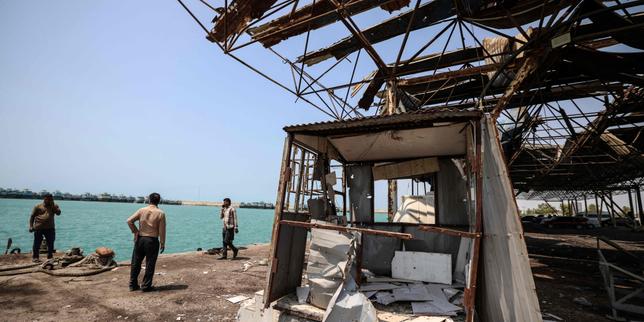
The United States naval blockade in the Strait of Hormuz has transformed from an economic containment strategy into a dangerous maritime choke point, pushing Tehran toward military escalation. With Central Command redirecting dozens of commercial vessels and enforcing strict exclusionary perimeters, global energy corridors are facing an unprecedented test of endurance. Trade data indicates that commodity vessel traffic through this critical waterway has plummeted to historic lows, cutting off a vital artery that historically carried a fifth of the world's petroleum and liquefied natural gas shipments.
Washington's maximum pressure campaign relies heavily on naval patrols, aerial support from advanced fighter wings, and aggressive secondary sanctions designed to intercept the so-called dark fleet carrying Iranian crude. The collapse of the June memorandum of understanding erased the fragile diplomatic architecture that once kept open dialogue alive. Now, American warships and Islamic Revolutionary Guard Corps fast attack craft are locked in a tense, proximity-driven standoff where routine patrols routinely flirt with kinetic exchange.
Tehran’s response has moved past diplomatic protests. Senior officials have made it clear that if Iranian tankers remain unable to clear port and sell oil freely on international markets, regional energy infrastructure will share the burden. Parliamentary speaker Mohammad Baqer Qalibaf recently pointed out the fragile exposure of sprawling petroleum production chains across the Persian Gulf. The explicit threat involves establishing an Iranian-enforced restricted zone that mimics and counters the American blockade boundary, putting any commercial vessel utilizing unauthorized lanes directly in the crosshairs.
This tit-for-tat dynamic creates a cascading set of risks for global markets. When US forces disabled multiple crude carriers near Kharg Island and Jask following attacks on American naval assets, Brent crude benchmarks spiked immediately. Energy traders are pricing in not just a localized naval skirmish, but the persistent threat of asymmetric retaliation spanning from Gulf shipping lanes to land-based energy installations.
The operational calculus on both sides leaves very little room for error. American strategy assumes that intensified economic strangulation will eventually force Tehran back to negotiations on Western terms. Iranian leadership, conversely, calculates that maintaining a sufficiently high cost for international shipping and regional stability will render the blockade unsustainable. As naval task forces patrol the narrow passage and missile batteries remain tracked on moving targets, every single transit through the strait carries the potential to ignite a much wider conflagration.