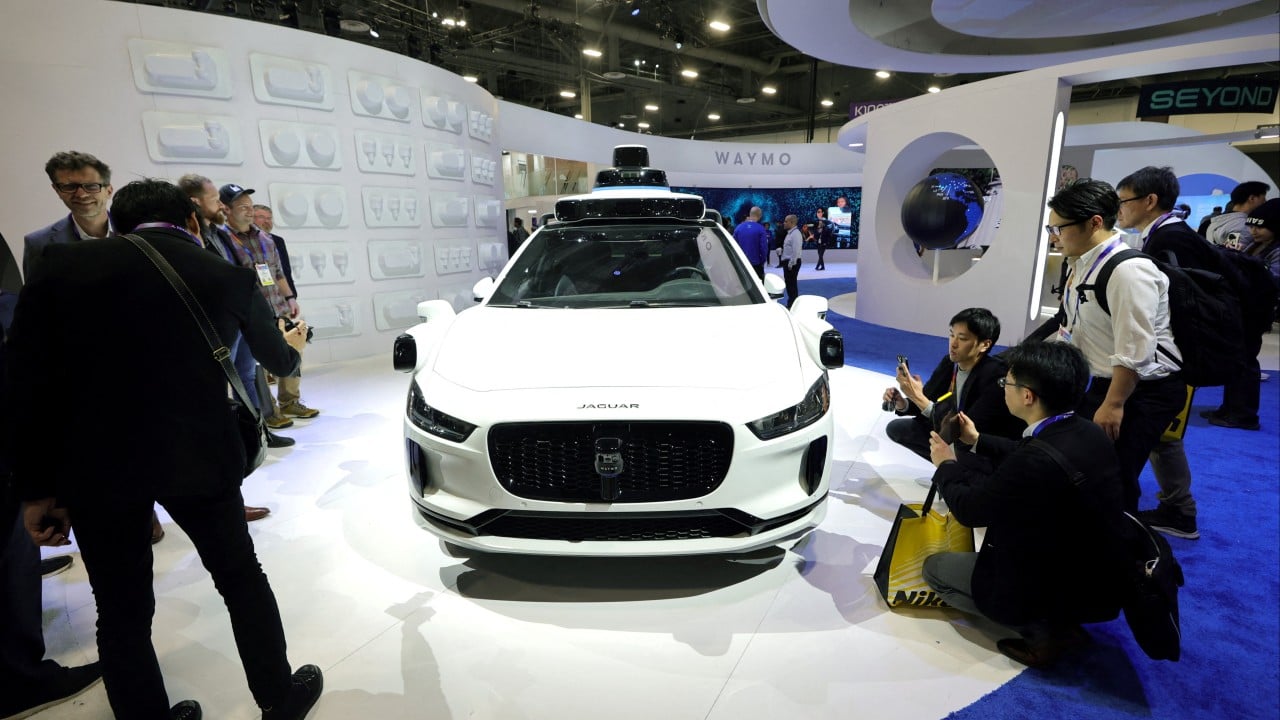
Alphabet-backed Waymo has set its sights on Southeast Asia, formally announcing plans to roll out its commercial autonomous ride-hailing fleet in Singapore by 2028. For an industry accustomed to scaling inside the predictable gridlines of American sunbelt cities like Phoenix and San Francisco, planting a flag in the Lion City is a completely different caliber of stress test. This is not merely an international expansion. It is a high-stakes stress test of algorithmic adaptability against one of the densest, most legally rigid, and meteorologically volatile urban environments on Earth.
To understand why Waymo is betting heavily on Singapore, look past the corporate press releases and examine the structural realities of global transit. Singapore’s Ministry of Transport and Land Transport Authority operate with a level of digital and physical integration that American municipal bodies can only dream of. Lane markings are meticulously maintained, construction zones are mapped with precision, and traffic data feeds flow through centralized arteries. Yet, this high-efficiency paradise comes with a brutal constraint matrix. Space is scarce, pedestrian foot traffic is unrelenting, and tropical monsoon downpours can instantly blind optical sensors with sheets of torrential rain. For an alternative view, consider: this related article.
The immediate technical hurdle lies in the hardware and validation timeline. Waymo’s initial deployment relies on an incoming fleet of all-electric Jaguar I-PACE vehicles slated for arrival and manual mapping phases. Training the Waymo Driver to comprehend local road geometry, aggressive lane-weaving habits of regional motorcyclists, and sudden tropical weather shifts requires a massive volume of localized driving telemetry. During the readiness phase, safety specialists will manually pilot these units across western hubs like Labrador and Harbourfront, feeding data back into neural networks that were originally trained on western asphalt.
Beyond the software adjustments, the economic implications for Singapore’s domestic transport ecosystem are profound. Singapore operates under a strict Certificate of Entitlement system, capping vehicle growth and making private car ownership an elite financial luxury. Traditional point-to-point transport providers, rental companies, and local ride-hail operators like Grab—which has been actively expanding its own autonomous footprint—are watching closely. If a foreign automated fleet scales successfully, the local economics of vehicle leasing, driver employment, and fleet maintenance will face structural disruption. The government’s willingness to subsidize up to 90 percent of training salaries for local operational roles signals a clear intent: this transition must create domestic technical capability, not just replace local labor with foreign code. Further reporting on this matter has been published by The Next Web.
Critics often point out that scaling robotaxis internationally is a margin-heavy vanity project until software unit economics match hardware depreciation. The discontinued status of the Jaguar I-PACE platform also hints that Waymo must eventually transition its autonomy stack to newer vehicle architectures before the 2028 commercial launch date. If the sensors, compute units, and thermal management systems struggle under equatorial heat and humidity, the rollout will stall in endless bureaucratic pilots.
The 2028 deadline leaves very little margin for error. Waymo is trading the predictability of familiar jurisdictions for a relentless urban laboratory where failure is public and expensive. If the software can decode the monsoon downpours and chaotic pedestrian flow of Southeast Asia's premier financial hub, the path forward is clear. If it stumbles, the myth of plug-and-play global autonomy will finally break against the shores of Marina Bay.
US firm Waymo to launch autonomous ride-hailing service in Singapore in 2028
This video provides an overview of the announcement regarding Waymo's plans to bring its autonomous ride-hailing service to Singapore by 2028.