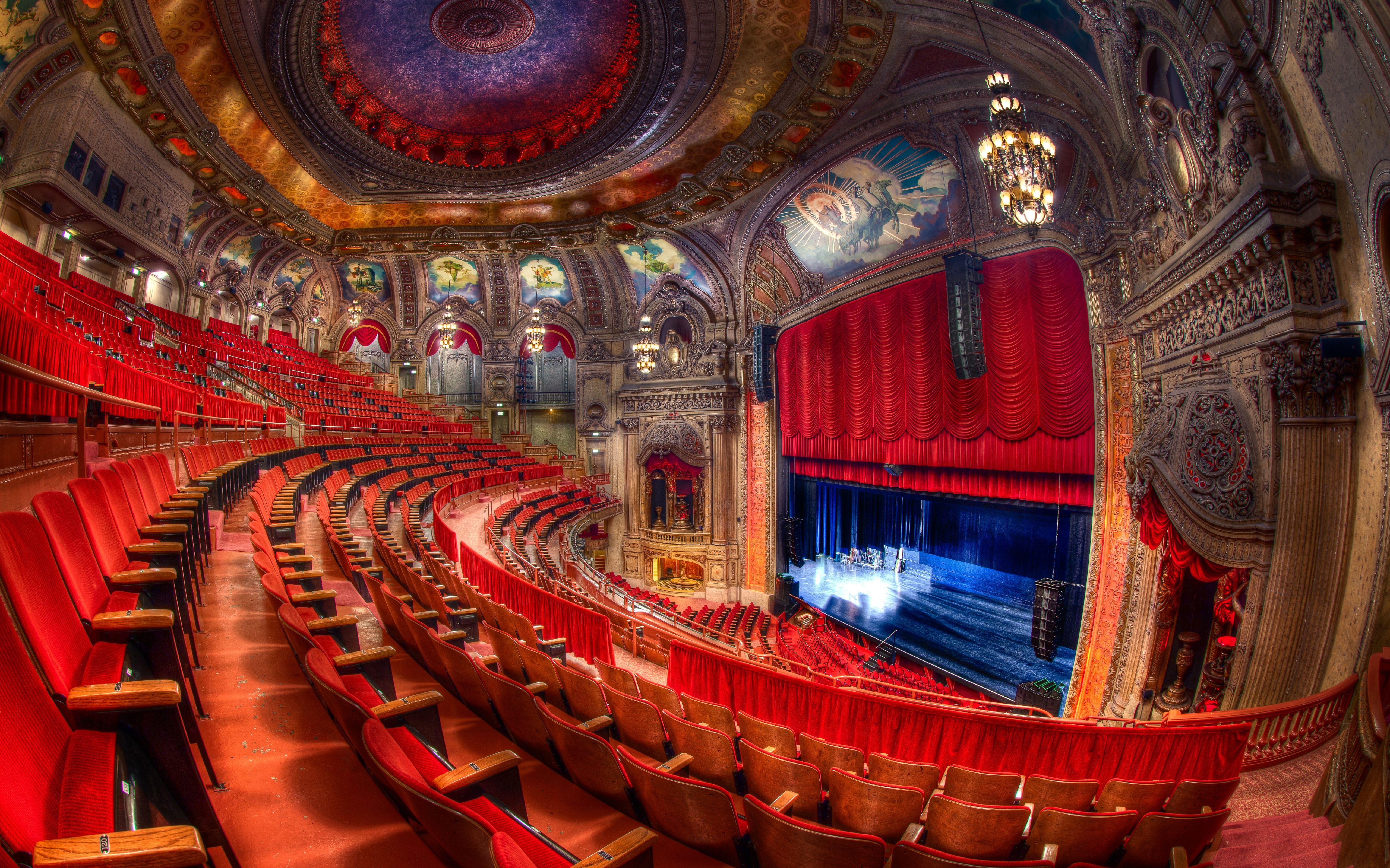
When British trip-hop outfit Massive Attack unfurled a Palestinian flag at Singapore's Star Theatre, they triggered a rapid collision between global artistic activism and Southeast Asia's most rigid regulatory framework.
Founding members Robert Del Naja and Grant Marshall were detained, subjected to hotel room searches, isolated, and ultimately hit with permanent entry bans alongside stern warnings from the Singapore Police Force and the Infocomm Media Development Authority. The official rationale rested on strict local statutes prohibiting the display of unpermitted foreign national emblems and actions deemed capable of fracturing delicate multi-ethnic harmony. Yet the fallout exposes a much wider pressure point for international touring acts. Global stages are no longer insulated bubbles where artists can separate their personal convictions from their commercial footprint. For a more detailed analysis into this area, we recommend: this related article.
Governments with zero tolerance for foreign political importation are drawing hard lines. Performers who treat the microphone as a megaphone for geopolitical grievances are discovering that sovereign laws care very little for international fanbases or headliner status.
The Mechanics of Singaporean Compliance
Singapore operates under an administrative model that leaves zero room for impromptu political demonstration. Under the Foreign National Emblems Control of Display Act, showing any flag or banner without specific government exemption is an immediate criminal violation. For additional details on this issue, extensive analysis is available on Al Jazeera.
Concert promoters operating within the city-state sign stringent licensing conditions that explicitly ban political symbols, chants, or messaging. The state's defensive posture is rooted in its historical vulnerability as a multi-ethnic, multi-religious island nation where foreign conflicts can quickly destabilize internal domestic peace.
Authorities viewed the band's actions not merely as artistic expression, but as a deliberate provocation that threatened public order. When the tour bus rolled away from the venue, the local enforcement machinery moved with calculated speed. Passports were temporarily seized. Individual band members were hauled into separate interrogation rooms. The message sent by the state was unequivocal: international stardom buys zero immunity against local penal codes.
The Cost of Performative Geopolitics
For decades, rock and electronic acts have treated anti-establishment posturing as standard operational procedure. Visual projections featuring war zones, corporate corruption, and state violence have accompanied Massive Attack's live performances for years.
Translating that arena-scale activism into tightly policed Asian markets requires a high degree of operational caution. By holding up the flag, the band crossed the boundary from ambient audio-visual critique into direct physical contravention of host nation laws.
The subsequent public statement released by the group framed the detention as a surreal ordeal, emphasizing that audience members had organically chanted slogans before and after the set. They argued that displaying the flag of a state recognized by over a hundred countries should not constitute a crime.
That perspective, while aligned with standard Western liberal norms regarding free speech, clashes head-on with legal realities across jurisdictions that prioritize social cohesion and state stability over individual expression. The friction demonstrates a widening chasm between Western artist expectations and Asian regulatory enforcement.
The Unspoken Reality for Touring Artists
Global routing economics rely heavily on predictable execution. Promoters invest millions in venue bookings, freight logistics, and visa processing, assuming artists understand the parameters of the territories they enter.
When headliners introduce volatile variables onto the stage, the financial and legal liability falls squarely on local partners who risk losing their operating licenses. Promoter networks across Asia are tightening vetting procedures, warning incoming management teams that political gestures will trigger immediate blacklisting and contract termination.
The incident forces a pragmatic reckoning across the live entertainment industry. Artists accustomed to preaching from stages across Europe and North America must now evaluate whether their ideological stances are worth permanently forfeiting access to growing Asian markets.
Governments will not soften their security architectures to accommodate visiting musicians. The stage is a workplace governed by local laws, and the illusion of borderless artistic license has officially hit its structural limit.