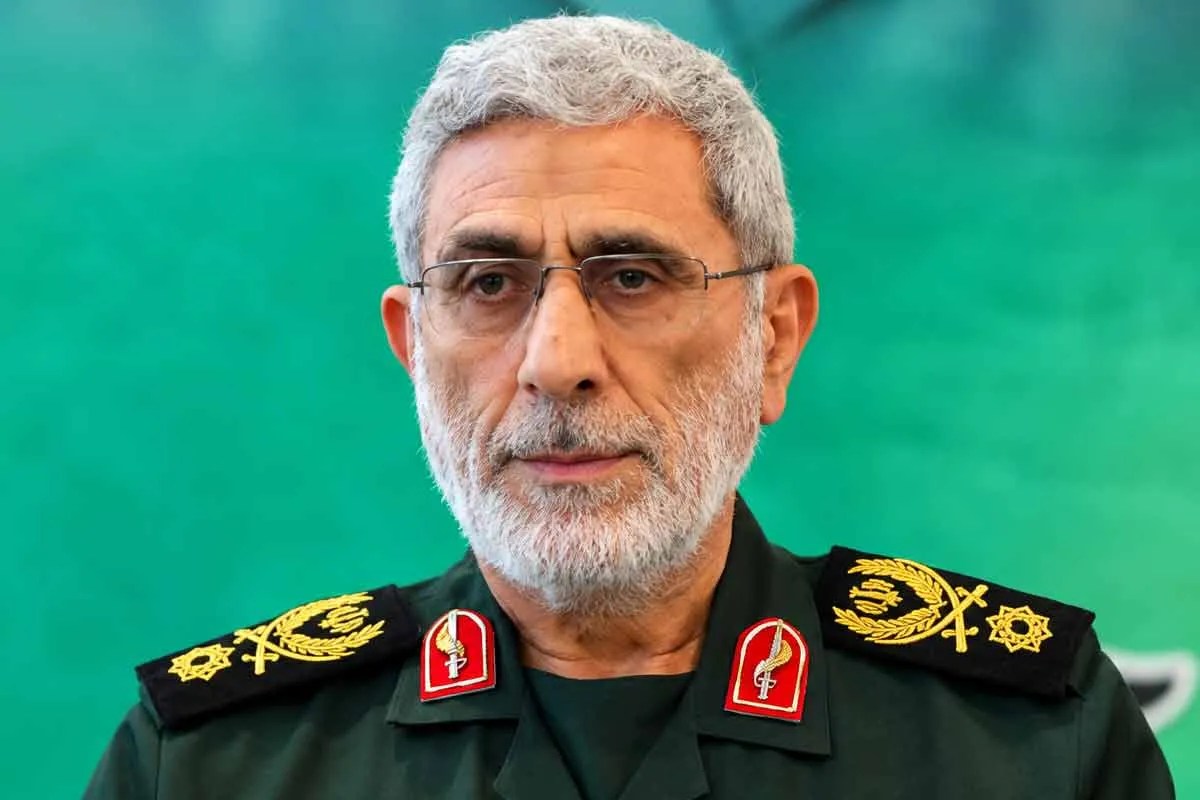
The diplomatic backchannels between Baghdad and Washington are humming with a quiet urgency that few western capitals care to broadcast. For months, statements emerging from Tehran have seized upon a recurring theme: the United States military presence in Iraq is facing an untenable collapse, branded openly as a humiliating strategic failure by high-ranking officials such as the commanders of the Islamic Revolutionary Guard Corps Quds Force. While official readouts from the Pentagon continue to frame ongoing discussions around the future coalition footprint as a measured, conditions-based transition to bilateral security partnerships, the ground reality reflects a fundamentally different momentum.
Mortar rounds and drone strikes targeting installations housing coalition personnel have not stopped. They have merely evolved, shifting into a persistent campaign of attrition orchestrated by aligned militias operating beneath the umbrella of the Islamic Resistance in Iraq. These factions view the remaining American deployment not as an advisory force aiding stability, but as an occupying remnant ripe for expulsion. To understand how Washington arrived at this precarious juncture requires looking past the sanitized press releases and examining the structural decay of American deterrence across Mesopotamia. If you enjoyed this post, you might want to look at: this related article.
The Anatomy of Strategic Attrition
Deterrence is an invisible architecture. When it holds, nothing happens. When it fractures, every minor provocation becomes a glaring indicator of failure.
The mechanics of the campaign against American forces in Iraq are built on calculated escalation. Militia networks do not seek a total conventional confrontation that would invite devastating air campaigns against their core leadership. Instead, they employ a strategy of constant friction. One-way attack drones launched from improvised desert beds, combined with rockets lobbed toward the Green Zone or remote logistics hubs, serve a singular political purpose. They demonstrate daily that the world's most advanced military cannot fully protect its own personnel within a sovereign state that ostensibly invited them in. For another look on this event, see the recent coverage from USA Today.
This dynamic creates a severe diplomatic trap for the Iraqi government under Prime Minister Mohammed Shia al-Sudani. Baghdad finds itself perpetually squeezed between two incompatible superpowers. On one side stands Washington, which views its continued footprint as an indispensable logistical bridge to Syria and a vital check against regional adversaries. On the other side stands Tehran and its powerful domestic proxies, who control vital levers in the Iraqi parliament and command significant street power.
When Quds Force commanders publicly label the American position shameful, they are signaling a confidence born of asymmetry. They know that time is on their side. Every month that American troops remain confined to fortified compounds under the constant threat of indirect fire increases the political cost of their presence back in the United States.
The Logistics of Disengagement
Military withdrawals are rarely dramatic cinematic events where flags are hauled down and troops march to ships overnight. They are bureaucratic nightmares defined by shipping containers, inventory audits, and the frantic transfer of sensitive intelligence hardware.
The ongoing bilateral talks regarding the winding down of the anti-ISIS coalition are fundamentally logistical exercises in saving face while bowing to political reality. The stated plan envisions a phased drawdown stretching across multiple years, transitioning major bases back to Iraqi control while retaining a reduced advisory footprint. Yet, this orderly timeline is constantly threatened by external shocks. A single successful strike resulting in American casualties invariably triggers a disproportionate retaliatory kinetic response against militia facilities, which in turn sparks a new wave of local outrage and parliamentary demands for immediate expulsion.
The broader geopolitical picture complicates matters further. Washington cannot simply abandon Iraq without risking the complete unraveling of hard-fought security gains against insurgent cells that still lurk in the rugged mountains and desolate valleys of Anbar and Nineveh. Yet, staying means absorbing a steady drip of casualties and maintaining force protection postures that resemble a wartime occupation rather than a partnership.
The Regional Ripple Effects
The rhetoric coming out of Tehran regarding the vulnerability of American forces resonates deeply across the wider Middle East because it touches upon a broader narrative of declining Western hegemony. From the Red Sea shipping lanes to the dusty plains of eastern Syria, Washington's adversaries are testing the limits of American endurance.
The calculus in regional capitals has shifted. Governments that once anchored their entire security architecture on permanent American protection are now hedging their bets, opening diplomatic channels with Iran, Saudi Arabia, and China simultaneously. They see an America that is politically polarized, financially stretched, and increasingly reluctant to commit major ground forces to protracted Middle Eastern entanglements.
If the American military footprint in Iraq is ultimately reduced to a token training mission or evacuated entirely under persistent fire, the psychological impact will far outweigh the strategic loss. It will be interpreted across the region as a victory for the axis of resistance, validating the core premise that sustained, low-intensity irregular warfare can successfully evict superpower forces from hostile territory.
The corridor between Baghdad and Tehran remains one of the most volatile geopolitical fault lines on the planet. As the timeline for the coalition's transition ticks down, the remaining American personnel sit in the crosshairs of a history they can no longer shape, only manage.