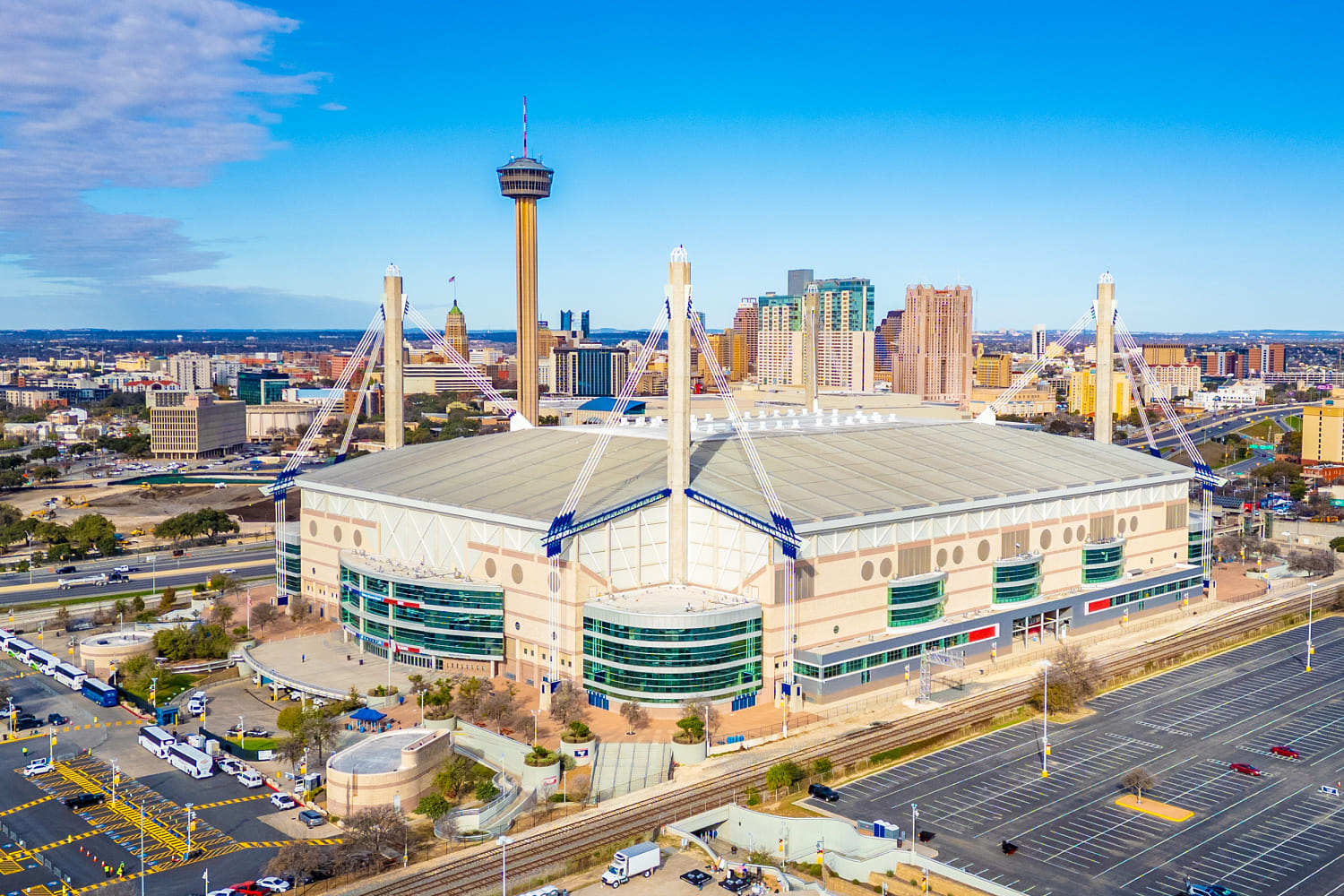
Fatal falls during a pregame demonstration at a college football game expose a sharp clash between stadium spectacle and operational aviation safety. When a military parachutist or aerial performer drops toward a packed bowl, the margin for error shrinks to a tiny target zone surrounded by concrete concourses, light standards, steep seating tiers, and swirling thermal currents.
Most wire reports stop at the tragic outcome and a brief statement from the athletic department or military command. That surface coverage misses the real story. Behind every high-profile stadium jump or aerial show sits a web of airspace clearances, wind shear dynamics, crowd management pressures, and civil-military coordination that rarely face public scrutiny until something goes wrong.
Why Stadium Bowls Turn Routine Jumps Into High-Risk Drops
A college football stadium is not an open drop zone. It is a deep, bowl-shaped obstacle course built of steel, concrete, cables, and eighty thousand cheering spectators.
Wind behaves strangely inside and around massive bowls. Prevailing surface breezes hit high grandstands and split into rotors, downdrafts, and swirling eddies near the fifty-yard line. A jumper descending under a high-performance ram-air canopy can experience sudden lift or rapid sink just dozens of feet above the turf, leaving almost no altitude to recover from a miscalculated flare or an abrupt turn.
The Tight Landing Envelope
Unlike a rural drop zone where an off-target landing might mean tall grass or soft dirt, a stadium landing zone is cramped and unforgiving. A jumper drifting slightly long or short faces:
- Hard turf and sideline equipment including benches, camera booms, and metal barriers.
- Steep stadium seating where concrete steps and handrails create severe impact hazards.
- Surrounding campus structures such as scoreboards, light towers, flagpoles, and adjacent parking decks.
Even experienced military demonstration teams train specifically for precision accuracy landings in confined spaces. Yet training in controlled environments cannot fully replicate the thermal turbulence created by sun-baked concrete or the sensory overload of a roaring crowd, public address systems, and pyrotechnics.
When Broadcast Schedules Squeeze Safety Margins
College football operates on television windows. Kickoff times are set to appease broadcast networks, advertisers, and conference schedules, often leaving tight buffers for pregame ceremonies.
Weather holds are standard practice in military parachute operations when gusts exceed safe thresholds, visibility drops, or low clouds obscure the jump run. In a stadium setting, however, a weather hold creates immediate friction. A delayed jump can compress anthem timing, band entrances, or commercial breaks, putting subtle institutional pressure on planners and performers to thread narrow operational windows.
The Mechanics of Civil-Military Demonstration Approvals
Military aerial and parachute demonstrations at sporting events are governed by strict regulatory frameworks, including Federal Aviation Administration rules and Department of Defense community relations guidelines. These rules exist to protect both service members and the public, not to stage entertainment.
Before a single jumper boards an aircraft, teams must evaluate drop zone suitability, alternate landing areas, medical evacuation routes, and emergency abort criteria. Spotters on the ground measure surface winds, while aircrews monitor upper-level winds and cloud ceilings.
Clearances vs. Real-World Variables
Paper approvals cannot control changing weather ten minutes before kickoff. A forecast that looks benign at noon can shift by 2:30 PM as afternoon heating builds convective currents over an urban or suburban campus.
Furthermore, demonstration teams often operate with small ground support footprints compared to large military airshows. Coordinating stadium security, local emergency medical services, campus police, and flight operations requires clear chains of command and unambiguous go/no-go authority. When communication lines are stretched across civilian event managers and military flight leads, rapid adjustments become harder to execute cleanly.
Gray Areas in Risk Acceptance
Every military aviation or airborne operation carries inherent risk, even during peacetime training and public outreach. Service members volunteer for demanding specialties and accept hazards that civilians rarely confront.
The harder question is where public spectacle intersects with acceptable risk. Patriotic displays connect communities with the armed forces and honor service members. At the same time, stadiums are entertainment venues first. When a fatal fall occurs during a pregame show, observers are forced to confront an uncomfortable truth: an event designed to inspire pride can end in preventable tragedy if environmental or operational red lines are crossed.
Crowd Dynamics, Liability, and Institutional Accountability
After a fatal accident at a college football game, the institutional response unfolds on several tracks at once. Military safety boards launch formal investigations to examine equipment, weather data, training currency, and decision-making. Meanwhile, university officials, stadium operators, and insurers focus on liability, crowd care, and public messaging.
Spectators sitting in lower bowls or end zones often witness the accident directly. Unlike a mishap on a remote training range, a stadium fall happens in front of tens of thousands of witnesses and live television cameras. That visibility intensifies emotional trauma for fans, students, and athletes who must then shift straight into a sporting event—or decide whether to halt or continue play.
What Investigations Actually Look For
In aviation and parachute mishap reviews, investigators rarely blame a single split-second error in isolation. They look for latent conditions and error chains:
- Environmental factors such as wind speed, gusts, direction shifts, and density altitude.
- Equipment performance including canopy deployment, steering lines, reserve systems, and helmet or protective gear.
- Human factors like fatigue, distraction, misjudged wind drift, or altered approach angles.
- Operational planning covering brief quality, abort decisions, and ground-to-air coordination.
To understand how these factors interact in real time, consider a hypothetical example. Suppose a demonstration team briefs for steady ten-knot winds, but gusts spike to twenty-two knots between upper grandstands just before the jump. If the team proceeds to avoid holding up a televised pregame slot and a jumper encounters a sudden rotor near the goal line, the root issue is not merely the final turn—it is the decision to jump into unstable airflow under schedule pressure.
Why Reforms Stall Between Tragedies
After a high-profile accident, calls for stricter limits are common. Some commentators urge bans on stadium jumps altogether; others push for wider landing zones or stricter wind cutoffs.
Yet memories fade once the football season moves on. Demonstration schedules return the following autumn, stadiums remain packed, and the tension between spectacle and margin re-emerges. Meaningful reform requires more than condolence statements or temporary pauses; it demands transparent post-incident lessons, unyielding adherence to weather limits regardless of broadcast clocks, and honest assessments of whether a specific venue truly offers a safe landing area.
Athletic directors, event producers, and military planners must treat every stadium demonstration as a high-consequence operation rather than a routine pregame warm-up—and be willing to wave off the jump the moment the air or the arena stops cooperating.