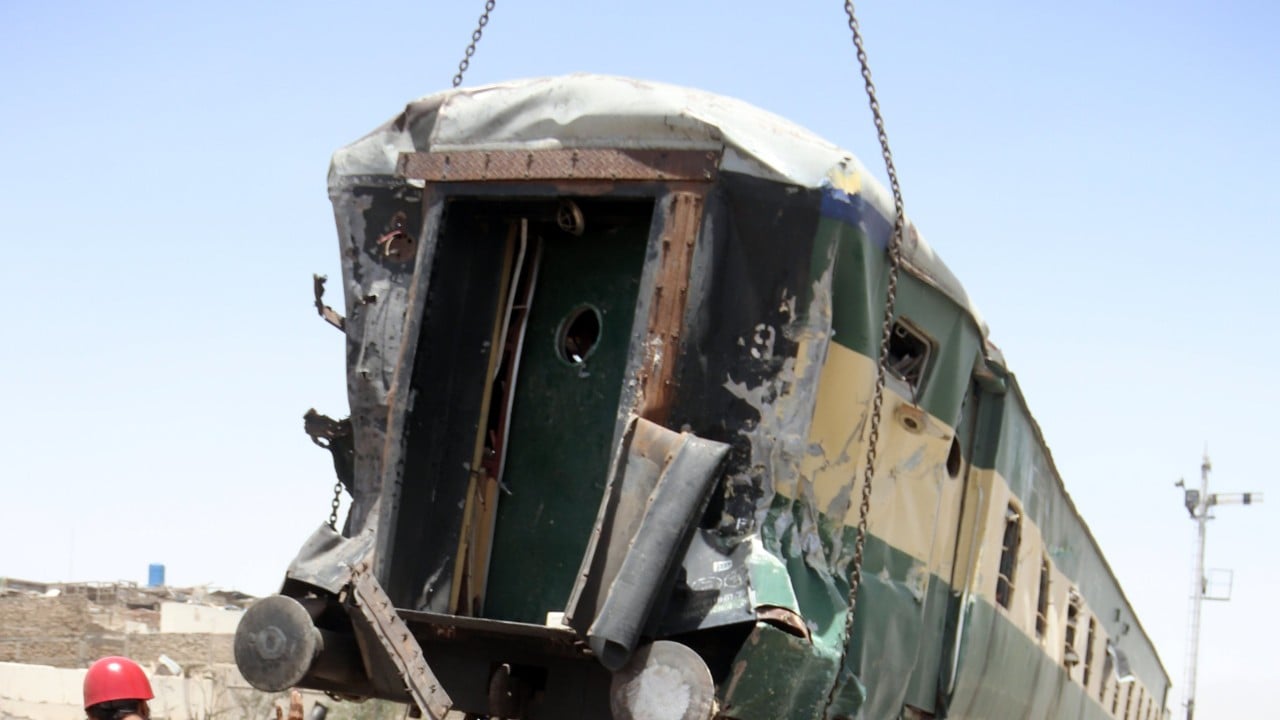
A devastating blast torn through a crowded railway platform in Quetta, Pakistan, killing at least 24 people and leaving dozens more severely injured. The explosion targeted passengers waiting for the Jaffar Express, a vital transit link connecting Balochistan to Punjab. Early investigations point toward a targeted suicide bombing, with regional separatist groups claiming responsibility. This catastrophic security failure highlights the systemic vulnerabilities within Pakistan’s transport infrastructure. Decades of underfunding, obsolete monitoring equipment, and fractured intelligence-sharing have turned the national rail network into a soft target for insurgent factions.
The Quetta railway station tragedy is not an isolated incident of terror. It is the predictable outcome of an infrastructure security network that has been operating on borrowed time.
The Illusion of Railway Security
Railway stations across Pakistan process millions of passengers daily with security measures that are largely performative. Walk-through metal detectors frequently stand unpowered or unmonitored. Baggage scanners, where they exist, are often decades old and operated by under-trained personnel who miss concealed explosives.
The physical layout of these historic stations complicates modern security protocols. Built during the colonial era, major hubs like Quetta, Lahore, and Karachi were designed for maximum accessibility rather than defensive containment. Multiple perimeter breaches, lack of blast-resistant barriers, and perimeter walls that can be easily scaled create an environment where unauthorized access is remarkably easy to achieve.
Compounding the physical vulnerabilities is the sheer volume of commuters. During peak travel hours, the rush of passengers overwhelms the skeletal security details assigned to these platforms. Manual pat-downs become cursory glances. Identity verification becomes a luxury that ticketing agents drop to keep the lines moving. Insurgents exploit these exact choke points, knowing that a crowded platform offers both maximum lethality and minimum resistance.
The Geopolitical Fractures of Balochistan
To understand why the Jaffar Express was targeted, one must look at the shifting dynamics of the Balochistan conflict. The region has experienced low-intensity insurgency for decades, but the nature of the violence has evolved significantly.
Secaratist groups have shifted their focus from remote military outposts to high-profile civilian and economic infrastructure. The railway system represents more than just transportation. It symbolizes the state's federal authority and the economic corridors connecting the resource-rich province to the rest of the country. By striking a major transit hub, insurgent groups aim to project capability, disrupt commerce, and signal to foreign investors that the state cannot guarantee safety within its borders.
Intelligence agencies have struggled to counter this evolving threat vector. Human intelligence networks within the province have degraded, compromised by local mistrust and heavy-handed security crackdowns that alienate the civilian population. When intelligence is gathered, it often stalls within bureaucratic silos. Federal counter-terrorism departments and provincial police forces frequently fail to share actionable data in real time, leaving frontline railway police completely blind to imminent threats.
Chronic Underfunding and Structural Decay
Pakistan Railways has faced financial ruin for a generation. Starved of capital investment, the state-owned enterprise prioritizes basic operational survival over expensive safety overhauls.
+-----------------------------------+-----------------------------------+
| Security Deficiency               | Operational Impact                |
+-----------------------------------+-----------------------------------+
| Outdated CCTV infrastructure      | Blind spots on platforms and yards|
+-----------------------------------+-----------------------------------+
| Underpaid security personnel      | Low morale, high vulnerability    |
|                                   | to corruption                     |
+-----------------------------------+-----------------------------------+
| Fragmented communications         | Delayed emergency response times  |
+-----------------------------------+-----------------------------------+
The budget allocated for the Railway Police is minimal. Officers are often equipped with outdated weaponry, lack modern communication gear, and receive basic training that does not cover advanced counter-terrorism or bomb-detection techniques. Salaries are frequently delayed, crushing morale and increasing the likelihood of corruption at security checkpoints where a small bribe can bypass a baggage check.
While billions of rupees are funneled into high-profile highway projects, the rail network relies on signaling systems and safety protocols from the previous century. This neglect extends to the digital realm. The ticketing and passenger manifest systems lack integration with national biometric databases, meaning individuals on terror watchlists can purchase tickets under aliases with little fear of detection.
The Cost of Reactive Governance
The state response to transit tragedies follows a monotonous, ineffective script. Politicians issue swift condemnations, promise financial compensation to the families of the victims, and order a temporary high alert across all major stations.
This reactive approach achieves nothing. Within weeks, the heightened security presence dissolves, the extra personnel are reassigned, and the systemic vulnerabilities remain untouched. True security requires moving away from visible militarization—like placing sandbags and armed guards at station entrances—toward intelligence-led prevention.
Implementing blast-mitigation architecture, upgrading to automated baggage screening, and deploying facial recognition technology linked to federal databases are standard practices globally. In Pakistan, they remain unfulfilled promises. The failure to secure the tracks and stations ensures that the railway will remain a hazardous gamble for the working-class citizens who rely on it most.
Redefining Transit Defense in High-Risk Zones
Securing thousands of miles of track and hundreds of stations is an immense operational challenge, but it is not impossible. It requires a fundamental shift in doctrine.
Instead of trying to fortify every square inch of the railway network, security forces must utilize data-driven threat assessments to allocate resources. High-risk corridors, such as the lines running through Balochistan and upper Sindh, require dedicated aerial surveillance drones and track-monitoring sensors to detect tampering or unauthorized gatherings near railway property.
At the station level, the onion-skin model of security must replace the current single-checkpoint system. Security must begin well outside the terminal building with perimeter vehicle checks and initial biometric screening. By the time a passenger reaches the platform, they should have passed through multiple layers of verification. This thwarts attackers before they can reach dense crowds where detonation causes maximum casualties.
The tragedy in Quetta underscores that infrastructure cannot be separated from national security. Until the state treats the railway network as a critical national asset requiring sophisticated protection rather than an underfunded utility, the trains will continue to run on tracks defined by vulnerability.