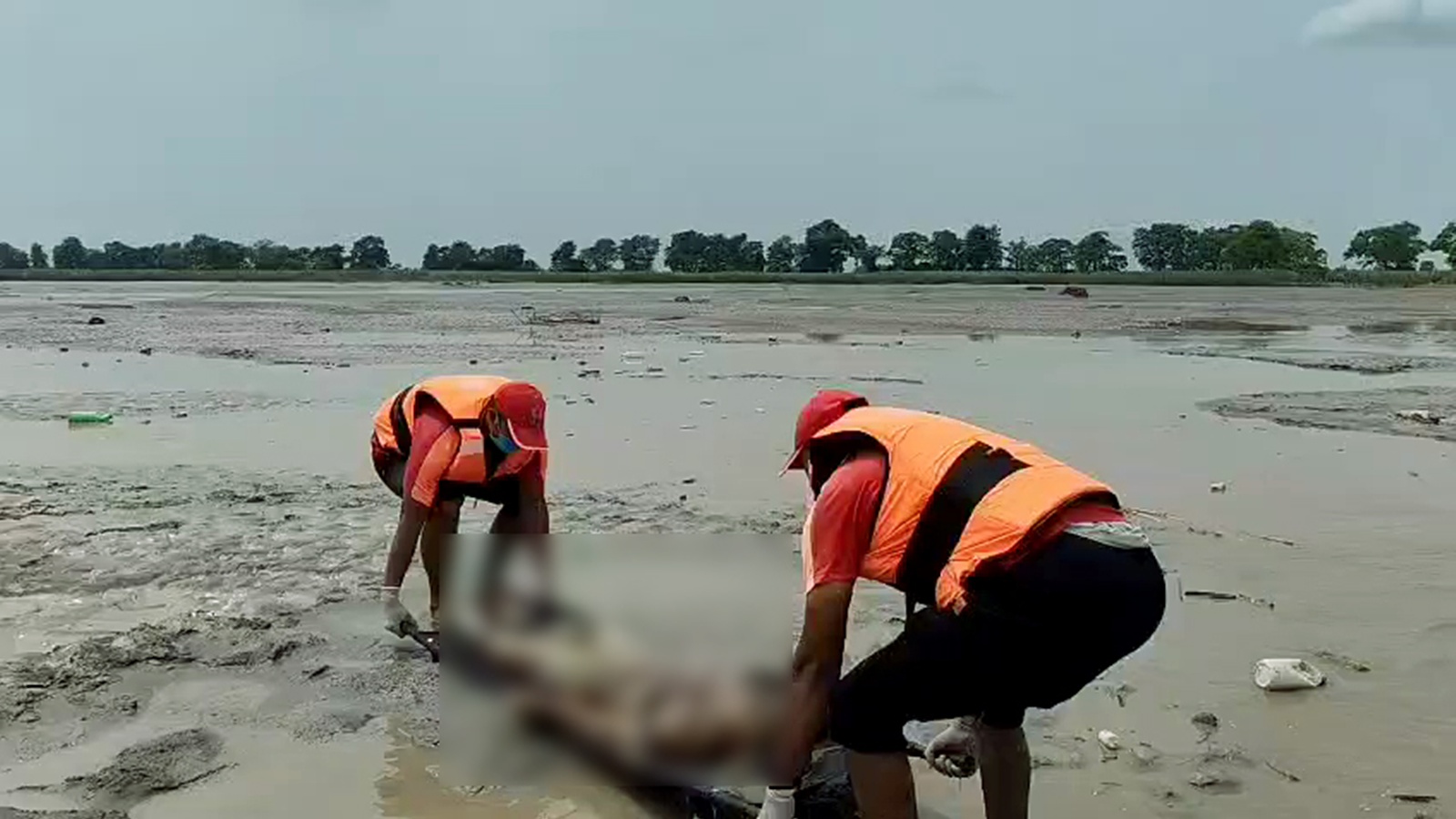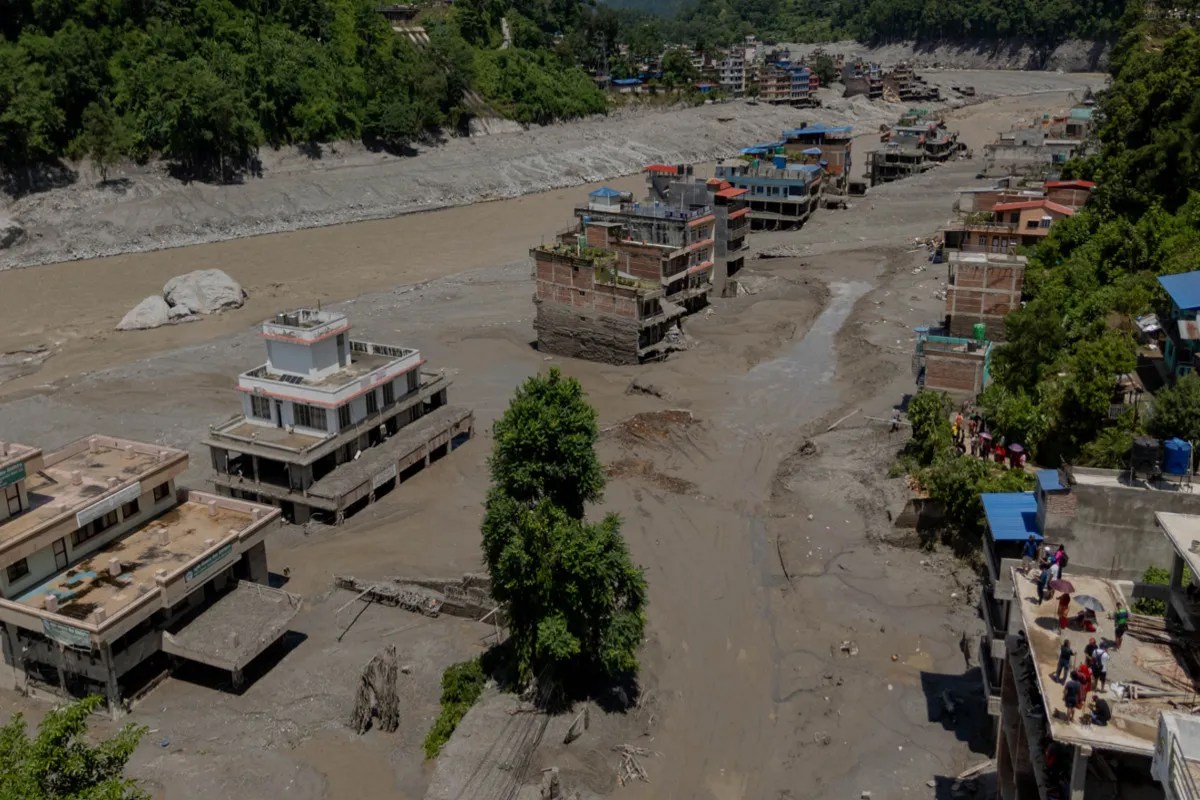
The death toll following the catastrophic flash floods along the Nepal-Tibet border has climbed past 600, with nearly 2,500 people remaining unaccounted for. Triggered by an avalanche of ice, rock, and an overflowing barrier lake that sent a violent surge down the Bhote Koshi and Trishuli river valleys, the disaster has exposed stark vulnerabilities in regional disaster preparedness. Among those missing are over 300 Indian nationals, alongside foreign tourists and hundreds of local infrastructure workers caught in the path of the deluge.
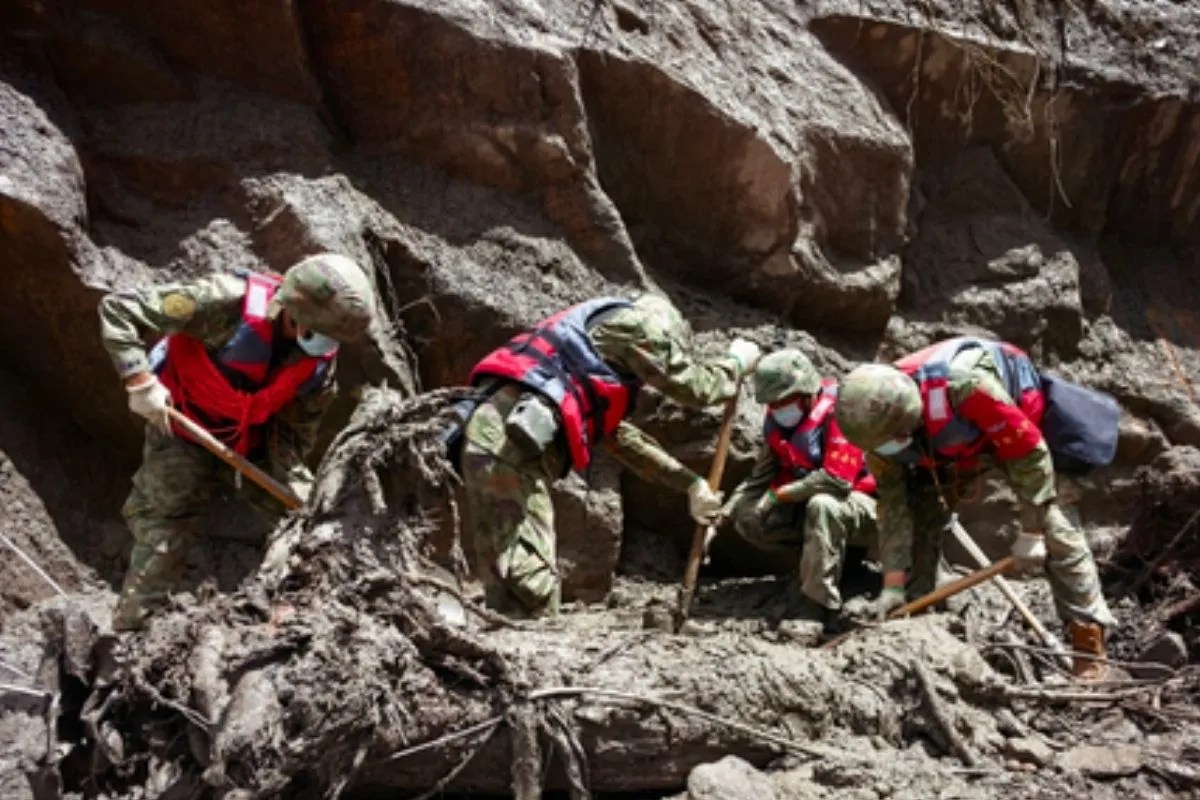
Search and rescue operations face extraordinary hurdles. Heavy equipment sits idle where roads have dissolved into slurry, and specialized teams must be lowered by helicopters onto cliff faces to access isolated pockets.
The Anatomy of a High-Altitude Failure
Geologists and climate risk analysts point out that disasters of this scale rarely arrive without warning signs, yet institutional responses remain chronically reactive. The catastrophe began when an unstable barrier lake high in the Himalayas overflowed, magnified by subsequent avalanches dumping tens of thousands of cubic meters of ice debris into narrow river corridors.
Early warning mechanisms in transboundary river basins frequently break down due to geopolitical friction and a lack of real-time telemetry sharing. When millions of gallons of water breach high-altitude natural dams, communities downstream have mere minutes to react. Traditional flood forecasting models built on historical monsoon data are failing to capture the rapid, volatile nature of glacial lake outbursts and ice-avalanche-induced floods.
The Human Cost in Hydro Corridors
The economic push to harness the Himalayas for clean energy has transformed remote river valleys into sprawling construction zones. This expansion placed thousands of laborers directly inside narrow gorges.
Hydropower installations bore the brunt of the destruction. At projects like the Korean-funded Upper Trishuli-1, hundreds of workers took refuge inside long excavation tunnels as access routes vanished under feet of mud and debris. While underground shelters provided initial safety from the wall of water, survivors faced dwindling supplies of food and clean water while cut off from the outside world.
Reconciling lists of the missing remains a chaotic administrative puzzle. Local authorities must coordinate reports from distraught families, tourist agencies, and project developers who often kept fluid headcounts of transient contract laborers.
Economic Shockwaves and the Road Ahead
Finance ministers in Kathmandu estimate that reconstruction costs could range between four and five billion dollars, a staggering sum equivalent to nearly a tenth of the national economy. Rebuilding washed-out highways, bridges, and multi-megawatt energy facilities will test the fiscal limits of a nation already grappling with high public debt.
As unstable upstream lakes continue to pose secondary threats, rescue teams are repeatedly forced to suspend operations to avoid fresh avalanches. The immediate priority remains locating the thousands still missing in the deep silt of the riverbanks, but the broader reckoning over how the region manages high-risk infrastructure in an era of accelerating climate volatility cannot be postponed.