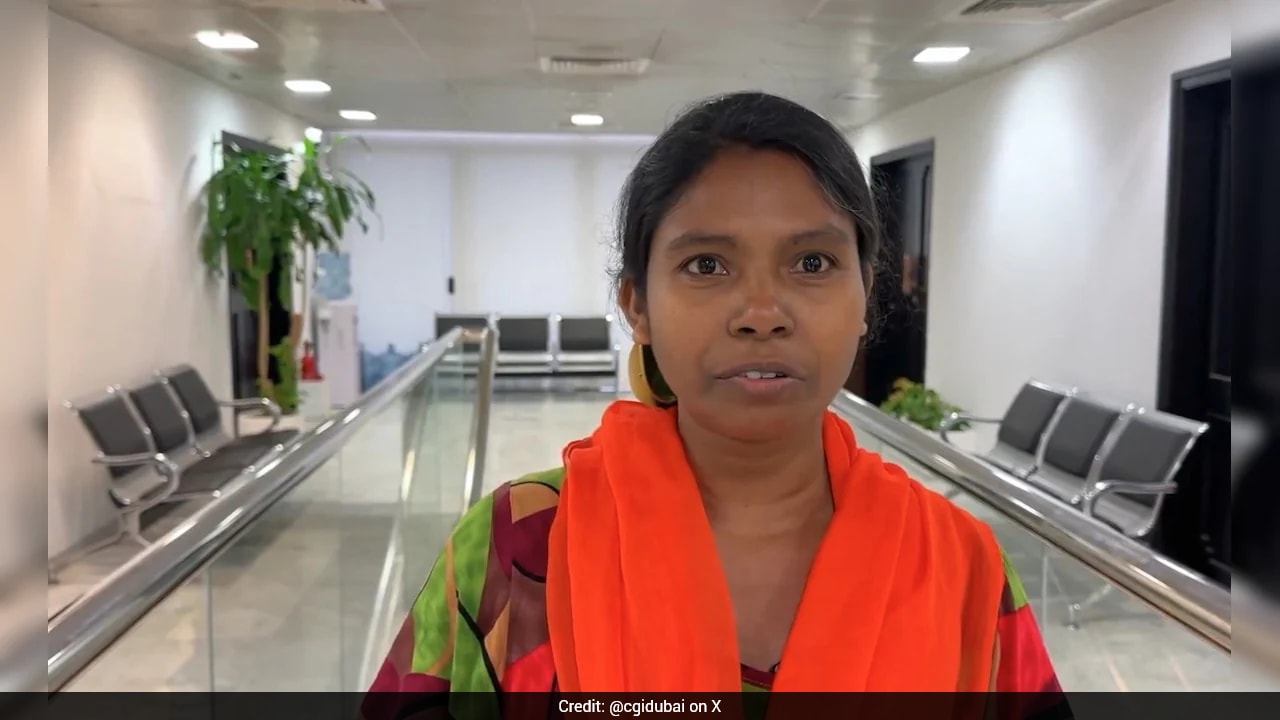
The return of Hasta Mahananda to Odisha, India, after being effectively held in communicative isolation in the United Arab Emirates since 2022, exposes the severe limitations of standard diplomatic channels in protecting migrant domestic workers. While headlines credit a viral Facebook video and a subsequent Odisha High Court order for her rescue, the reality is far more troubling. The official mechanism failed to locate her for years because her employers exploited systemic legal loopholes. Her case proves that without an accidental social media breakthrough, the legal structures meant to protect millions of invisible female laborers are structurally incapable of tracking them.
The Breakdown of the Sponsorship System
Mahananda went to the UAE in 2019 to secure a future for her three daughters. After a brief visit home in 2022, she returned to her employers. Then, the line went dead. For nearly four years, her daughters had no idea if she was alive.
When her family finally secured a mandate from the Odisha High Court directing diplomatic intervention, the Indian Consulate General in Dubai ran into an immediate wall. They possessed her mobile number, but it rang out endlessly. The basic premise of bilateral labor agreements is that a worker can be tracked via their official registry. However, the system relies entirely on the employer’s compliance.
In this case, the domestic worker’s passport had been illegally confiscated, a routine but officially banned practice across the Gulf. Without an active phone line or physical access to her documentation, a worker becomes a ghost in the system. The consulate had to work backward, pulling historical visa records and negotiating with corporate intermediaries just to find the name of the local sponsor.
The Illusion of Local Enforcement
When the employer finally presented Mahananda to the Dubai consulate on May 12, 2026, she reportedly stated she had not faced physical harassment. Yet, her movement had been entirely restricted. Every request she made to return to India had been denied. This demonstrates the grey area of domestic labor exploitation. An employee does not need to be physically harmed to be deeply captive.
MIGRANT DOMESTIC WORKER VULNERABILITY TIMELINE
[Arrival in Gulf] -> [Passport Confiscation] -> [Communication Blackout] -> [Systemic Invisibility]
The underlying mechanism that enables this isolation is the sponsorship framework. Although the UAE has introduced reforms to decouple domestic work from corporate sponsors, enforcement inside private homes remains incredibly difficult. A domestic worker operates behind closed doors. Labor inspectors cannot easily enter a private residence without specific judicial warrants, creating a natural shield for employers who choose to ignore repatriation requests.
Furthermore, the economic fallout from the ongoing West Asia conflict has complicated matters. Fluctuating regional economies put severe pressure on middle-class employers, who often respond by delaying wages or refusing to pay for exit tickets to maximize their returns on initial recruitment fees. Mahananda’s finances were entirely depleted, leaving her with zero leverage to negotiate her own exit.
The True Cost of Freedom
Even after diplomatic intervention successfully forced the employer to cancel her visa and settle her outstanding end-of-service benefits, Mahananda was stuck. She had no bank account, no savings, and no money to pay for the bureaucratic administrative fines accrued during her prolonged stay.
This is where the financial reality of repatriation hits. The Indian government maintains the Indian Community Welfare Fund (ICWF) specifically for these emergencies. The consulate used these funds to shelter her for 15 days, clear her overstay penalties, and purchase her ticket home.
| Party Involved | Responsibility in Theory | Reality in Exploitation Cases |
|---|---|---|
| Sponsor / Employer | Must provide timely wages and a return ticket upon contract completion. | Retains passport illegally, restricts communication, and blocks exit. |
| Consular Missions | Track citizens via standard labor registries and contact details. | Encounter dead phone lines and altered or inaccessible identity records. |
| The Worker | Earns a livelihood to remit funds back to their home country. | Becomes financially destitute and entirely dependent on state welfare to escape. |
Relying on state welfare to bail out stranded citizens is a temporary fix, not a structural solution. It shifts the financial burden of contract breach from the law-breaking employer to the taxpayers of the sending nation. The employer in this case was ordered to settle dues, but the structural impunity remains largely untouched. While diplomatic missions routinely blacklist non-compliant firms, individual household employers frequently bypass these bans by registering new recruitment requests under the names of different family members.
The survival and return of Hasta Mahananda is an outlier driven by a rare combination of a high court directive and a social media post that managed to puncture the digital void. For every worker whose viral plea catches the eye of an advocacy group like the Odia Samaj, hundreds of others remain disconnected from the grid, their documentation locked away in private safes, completely invisible to the consulates tasked with their protection.