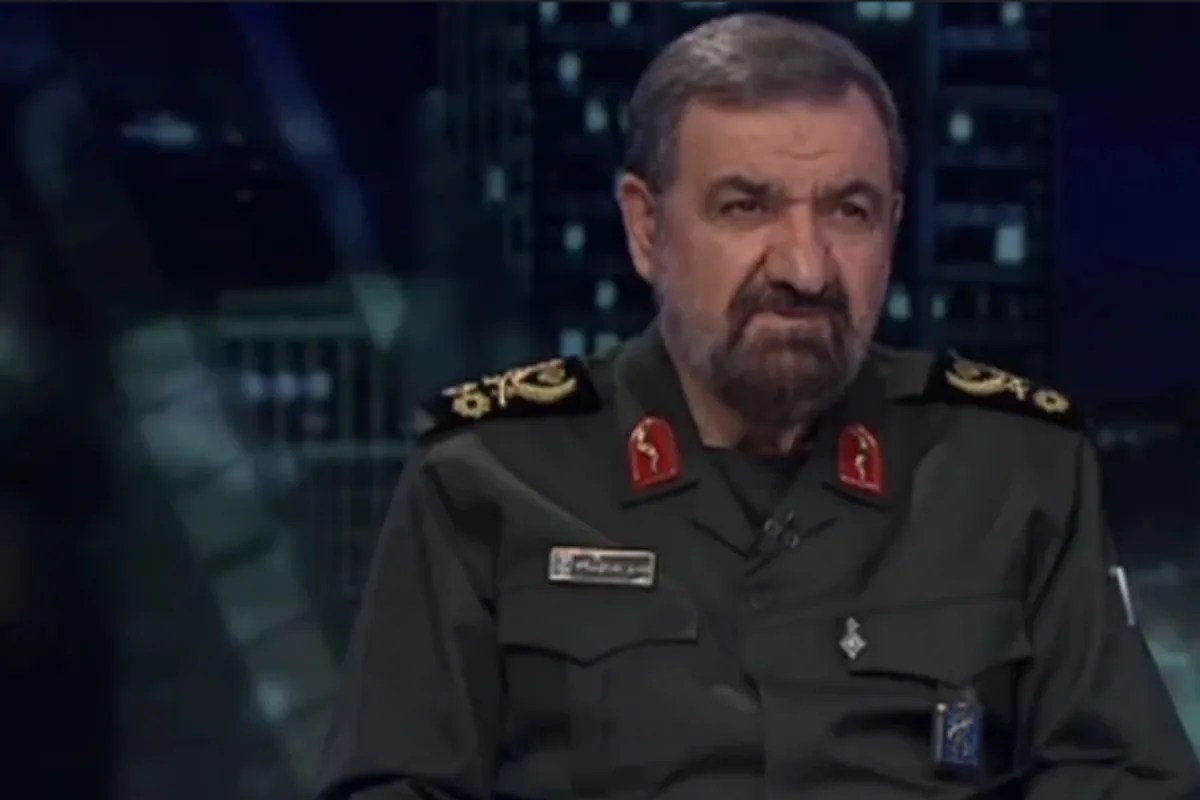
The standoff between Washington and Tehran has entered its most volatile phase yet, sparked by a heavy escalation of cross-border strikes and a defiant declaration from Iran's security apparatus. Mohsen Rezaei, secretary of Iran's Supreme National Security Council, publicly warned that a newly formulated multi-pronged military, diplomatic, and economic doctrine will fundamentally dismantle American strategic architecture in the region. This stark proclamation follows a fresh sequence of American aerial operations along the Iranian coastline and the strategic Strait of Hormuz, igniting intense retaliatory barrages that have stretched air defense networks across the Persian Gulf to their absolute limits.
The immediate trigger for this diplomatic fracture point centers on a wave of lethal bombardments. Iranian state reports and regional monitors confirmed that recent American strikes hit areas including Kuhestak in Hormozgan province, resulting in civilian casualties during a local wedding ceremony and intensifying public outrage within the country. Washington has defended its operational footprint by pointing to ongoing security threats, specifically targeting maritime assets and infrastructure linked to the Islamic Revolutionary Guard Corps. Yet the narrative on the ground remains deeply contested, with Tehran leveraging the civilian toll to rally domestic sentiment and frame the ongoing confrontation as an existential defense of national sovereignty.
Beneath the rhetorical posturing lies a grinding six-month war of attrition that has fundamentally disrupted global energy corridors. The Strait of Hormuz remains effectively choked by Iranian containment measures and reciprocal American counter-blockades, squeezing petroleum logistics and driving maritime insurance premiums sky-high. Iranian retaliation has not remained localized. Revolutionary Guard units have launched coordinated drone and missile salvos targeting American installations spread across Jordan, the United Arab Emirates, Kuwait, Bahrain, and the Erbil governorate in northern Iraq.
The introduction of what Tehran terms a comprehensive strategic reset signals that asymmetric warfare will intensify rather than recede. For months, Western defense planners calculated that crippling economic sanctions and targeted naval containment would eventually force the Iranian leadership back to the negotiating table on Washington's terms. Instead, the current trajectory points toward a hardening of positions. By synchronizing battlefield maneuvers with targeted diplomatic offensives and maneuvers to break the economic blockade, Tehran aims to test the staying power of American alliances in the Gulf. Regional capitals caught in the crossfire are now frantically recalibrating their security policies, acutely aware that an expanded regional conflict could permanently destabilize their own economic futures while yielding few winners.

