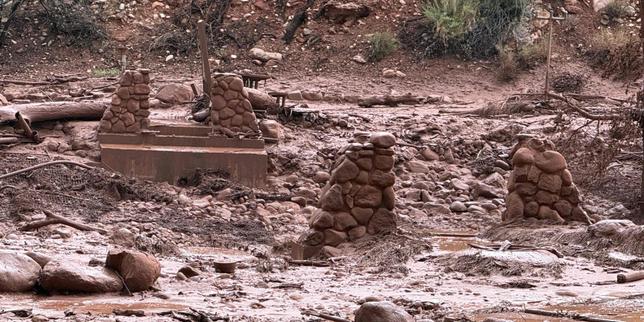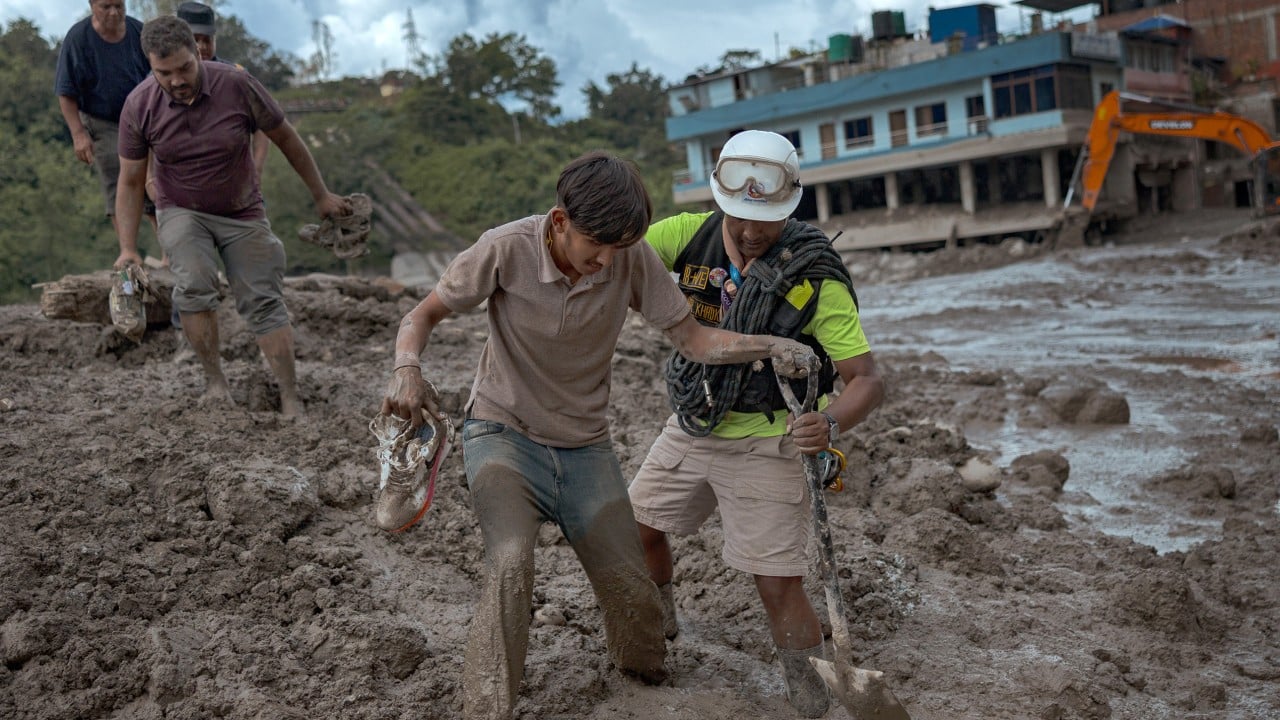
When the catastrophic flash floods tore through the Trishuli River basin and swept away sections of the border region, the immediate international reflex was predictable. Foreign governments scrambled to dispatch specialized search and rescue teams into the Himalayan terrain. Neighboring capitals offered personnel, heavy extraction gear, and canine units within hours of the disaster. Kathmandu said no.
The government's refusal to permit foreign search and rescue teams onto Nepalese soil triggered immediate diplomatic friction and media hand-wringing abroad. Commentators questioned whether bureaucratic stubbornness was costing precious lives while hundreds of domestic and foreign nationals remained missing. Yet looking at this crisis through the lens of pure medical triage misses the operational reality on the ground.
To understand why Nepal slammed the door on external responders while simultaneously welcoming financial aid, one has to look backward more than a decade. The institutional memory of the 2015 earthquake still shapes every emergency protocol in the country. During that tragedy, an uncoordinated influx of foreign rescue teams created severe logistical bottlenecks at Tribhuvan International Airport. Teams competed for tarmac space, vied for scarce helicopter fuel, and frequently operated without integration into the domestic command structure. Precious administrative bandwidth was consumed translating foreign directives rather than pulling survivors from rubble.
The Cost of Foreign Footprints
Foreign rescue teams sound like an unmitigated good from thousands of miles away. In practice, heavy international units require immense logistical support systems just to sustain themselves. They need dedicated fuel allocations, secure lodging, specialized dietary provisions, and dedicated communication channels. In a mountainous landscape where roads have been sheared away and bridges pulverized, introducing hundreds of foreign personnel with heavy equipment places an immediate burden on local supply chains.
The decision taken by the administration under Prime Minister Balendra Shah, backed by the Nepali Army and police, was rooted in an unyielding assessment of domestic capability versus foreign interference. Local security agencies argued that foreign teams unfamiliar with the specific topography of the Bhotekoshi and Trishuli corridors would slow down operations rather than accelerate them. Operating in high-altitude gorges requires localized knowledge that external teams simply do not possess on day one.
This is not to suggest the response has been flawless. Families of the hundreds of missing foreign nationals, ranging from Indian and American tourists to European travelers, faced agonizing information vacuums. To manage this diplomatic pressure, the Ministry of Foreign Affairs established a centralized Emergency Response Team (ERT) to serve as a single-door mechanism for consular inquiries.
The One-Door Financial Channel
Rejecting manpower is fundamentally different from rejecting resources. Kathmandu drew a sharp administrative line between operational rescue units and financial or material aid.
Foreign governments and multilateral institutions were invited to channel funds through the Prime Minister's Relief Fund and coordinate material support, such as Bailey bridges and prefabricated trusses offered by India, through strict government channels. International organizations like the World Health Organization and UNICEF deployed essential medical kits and supplies directly to local frontline health workers.
This centralization prevents the chaotic duplication of effort that plagues major international disaster zones. When multiple foreign agencies operate independently, certain high-profile districts receive saturated assistance while remote mountain communities remain entirely ignored. By retaining absolute command over logistics, the Nepali state ensures that distribution follows internal strategic priorities rather than the media priorities of donor nations.
The political calculus also looks ahead to the reconstruction phase. Emergency search and rescue operations generate international headlines, but they are short-term interventions. The economic devastation—spanning destroyed hydropower facilities, wiped-out agricultural land, and severed trade routes—requires long-term capital injection. By demanding cash contributions through structured pathways now, Nepal is attempting to secure the financial commitments necessary for structural rebuilding once the floodwaters fully recede.
The Structural Vulnerability
The debate over foreign rescue teams obscures a more uncomfortable truth about disaster management in the Himalayas. Early warning systems installed along major river basins failed to provide adequate lead time for this specific event. Glacial dynamics and seismic triggers near the border created barrier lakes that burst with catastrophic velocity, rendering traditional river-gauge monitors obsolete when upstream stations were swept away instantly.
No amount of foreign manpower can compensate for upstream hydrological blind spots. Until warning infrastructure is redesigned to account for glacial lake outburst floods and rapid debris flows, downstream communities will remain perennially exposed.
The refusal of foreign boots on the ground was a calculated assertion of sovereignty born from bitter historical precedent. Whether that choice ultimately saved administrative energy or cost valuable extraction hours remains a subject of fierce debate among regional analysts. What remains indisputable is that Kathmandu decided to manage its own catastrophe, accepting the heavy political burden of that choice alongside the operational control.
The river continues to cut through the valleys, leaving a trail of rebuilding that will test the resilience of local institutions long after the international press corps departs.
Nepal Floods: Death toll rises, foreign rescue offers declined
This video provides on-the-ground context regarding the scale of the disaster and the government's rationale for handling the crisis independently.
http://googleusercontent.com/youtube_content/1