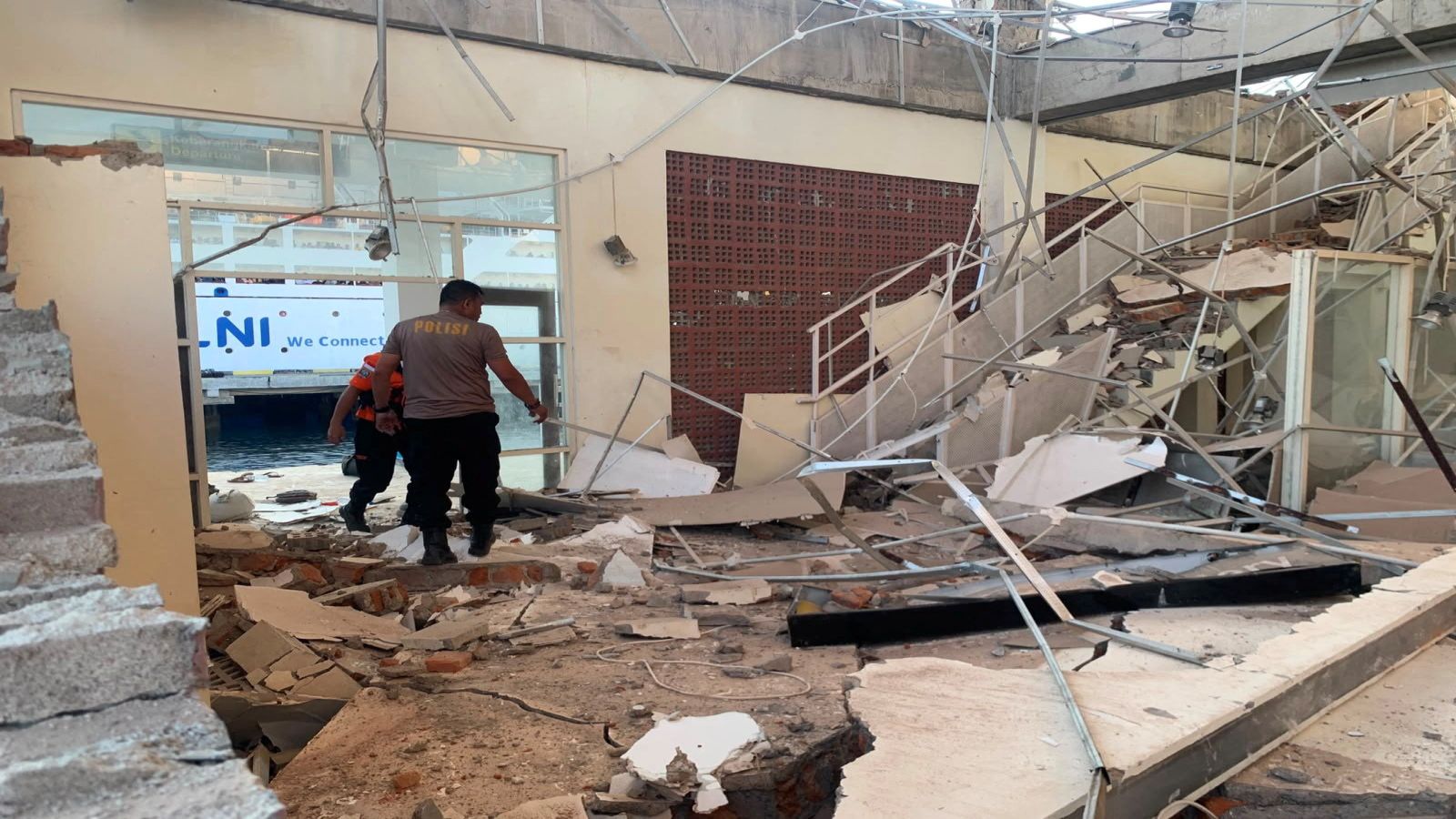
An unprecedented sequence of seismic convulsions has gripped the Indonesian archipelago, forcing tens of thousands of residents into temporary displacement camps while over one thousand aftershocks continue to fracture an already exhausted topography. When a 7.7-magnitude tremor ruptured off the coast, it did not merely rattle foundations. It destabilized entire mountain slopes, sent catastrophic mudslides cascading through rural settlements, and triggered widespread panic across vulnerable coastal communities.
The immediate emergency response is only the visible layer of a far deeper geographical crisis. Indonesia sits directly astride the Sunda megathrust and the wider Pacific Ring of Fire, a zone where tectonic plates grind against each other with unrelenting kinetic force. Every major seismic event serves as a brutal reminder of the structural vulnerabilities built into rapid coastal and rural development across the region. Disaster management agencies face an uphill battle against shifting debris, blocked arterial roads, and the constant psychological erosion of unrelenting aftershocks that make structural re-entry a dangerous gamble.
The Mechanics of Catastrophe
Understanding why this specific earthquake caused such extensive ground failure requires looking beneath the topsoil. High-magnitude offshore tremors release seismic energy waves that travel through saturated sedimentary basins, amplifying ground motion far from the epicenter. When these shockwaves hit steep, deforested terrain, the result is predictable yet devastating.
- Pore water pressure spikes instantly within saturated soils during intense shaking, transforming solid hillsides into liquefied torrents of mud and rock.
- Secondary fault line activation occurs as stress transfers from the primary rupture zone to adjacent crustal segments, prolonging the seismic sequence.
- Infrastructure fatigue compounds the damage, as buildings constructed without rigorous seismic reinforcement endure hundreds of smaller shocks before finally collapsing.
Ground saturation from seasonal monsoon rains intensified the danger during this latest event. Slopes that might have held firm under dry conditions gave way instantly under the combined assault of gravitational stress and lateral seismic acceleration. Engineers and geologists have long warned about this exact compounding effect, yet enforcement of zoning restrictions in high-risk landslide zones remains inconsistent at best.
Logistics on the Ground
Emergency relief operations are currently bogged down by severe geographical isolation. Mountainous terrain means that key bridges and single-lane mountain passes are frequently blocked by rockfalls. Heavy machinery cannot reach remote villages until clearing crews manually carve provisional paths through tons of rubble.
Air support remains limited by erratic weather patterns and visibility issues caused by dust and low-hanging cloud cover over the valleys. Tents, potable water, and medical supplies are stockpiled in regional hubs, but the final-mile distribution network is strained to its absolute breaking point. Local volunteers and military personnel are hauling supplies on foot, navigating unstable trails while aftershocks continue to dislodge overhead boulders.
Medical facilities near the disaster zone are operating under extreme duress. Emergency triage tents have been pitched on hospital lawns because structural engineers have condemned main wards as unsafe for occupancy. Treating trauma injuries under canvas walls while the earth trembles beneath examination tables demands a level of operational resilience that tests even the most experienced disaster response veterans.
The Human Toll and Displacement
Behind the seismic metrics and geological reports lie thousands of displaced families now living in congested makeshift shelters. Schools, mosques, and agricultural fields have transformed into sprawling tent cities where sanitation and clean water access remain pressing daily concerns.
Psychological trauma is widespread. Children and the elderly bear the heaviest burden, listening to the persistent rumbling of aftershocks without knowing whether the next jolt will bring total destruction. Public health officials are racing to prevent outbreaks of waterborne illnesses as temporary latrines reach capacity and monsoon rains threaten to contaminate local water sources.
Preparing for the Inevitable
Disaster preparedness in high-risk tectonic zones cannot rely solely on post-event rescue operations. Retrofitting vulnerable masonry, enforcing strict building codes, and establishing community-level early warning systems are the only viable defenses against recurring seismic shocks.
Investment in local sensor networks has improved detection times, but the gap between receiving an alert and reaching a safe zone remains dangerously narrow when faults rupture close to the coast. Until structural engineering catches up with the raw fury of the Ring of Fire, communities across the archipelago will continue to live on the edge of the next rupture.
The ground refuses to settle, and the aftershocks keep coming