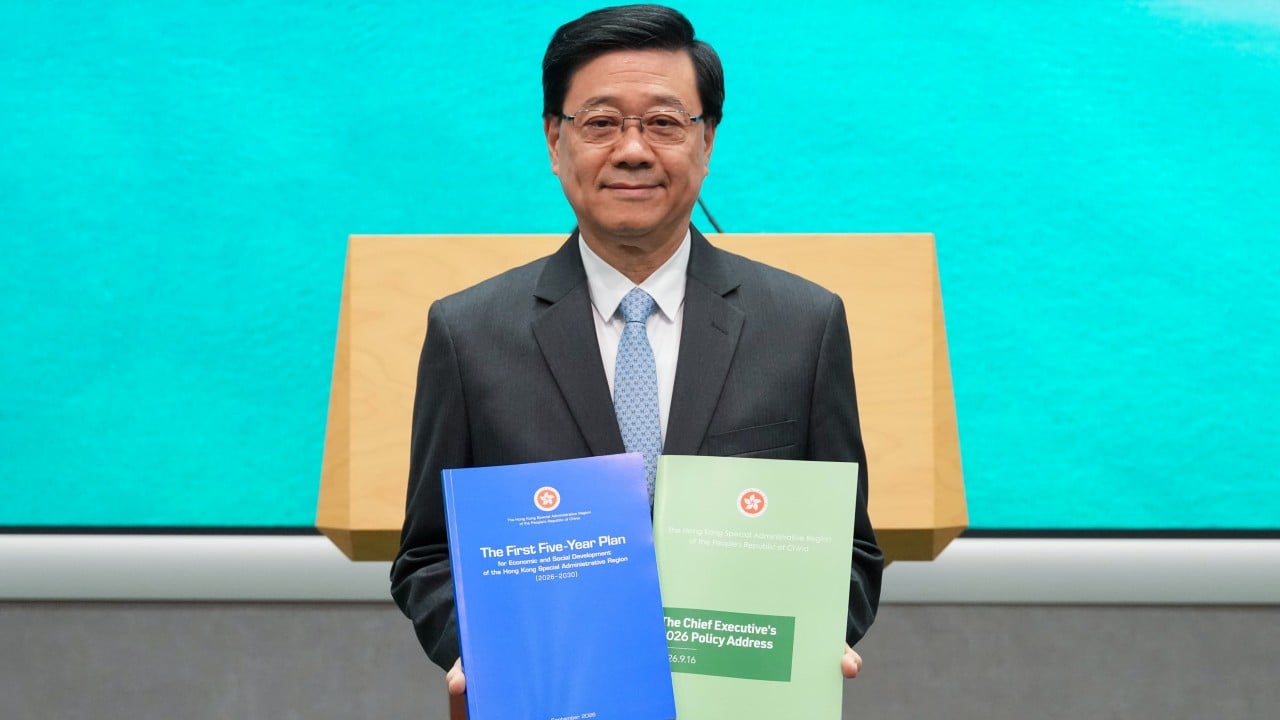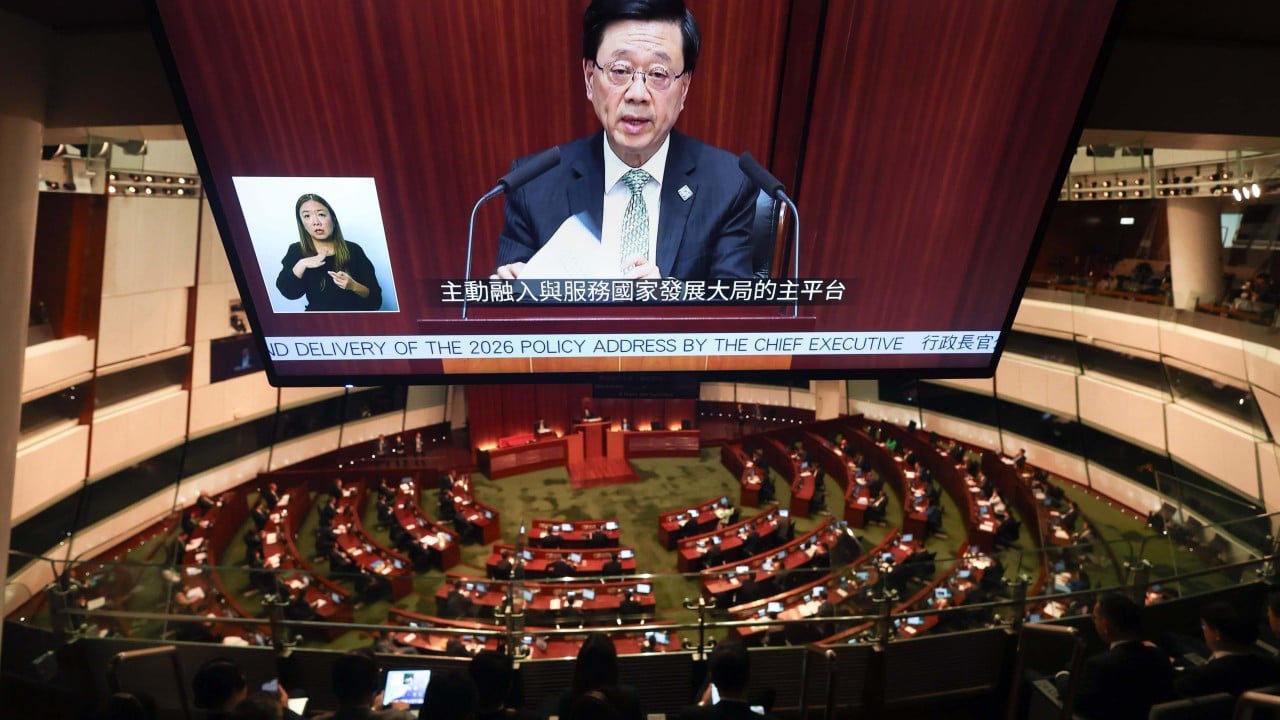
Chief Executive John Lee recently stepped up to the podium at the Legislative Council to deliver a document that would have been unthinkable a decade ago: Hong Kong's very first formal Five-Year Plan alongside his annual policy address. For a city long defined by a laissez-faire philosophy and an absolute aversion to state-directed economic planning, the policy shift marks a profound structural transformation.
At the core of this strategy lies an urgent attempt to engineer a demographic and economic turnaround. Hong Kong is racing against time. Facing a birth rate that remains among the lowest on the planet, the administration has extended its one-off HK$20,000 baby bonus for newborns and escalated incentives to HK$30,000 for a second or subsequent child, paired with enhanced tax allowances.
Cash incentives alone will not fix a structural crisis.
Financial handouts cannot magically manufacture affordable square footage, nor can they reverse long-standing work cultures where grueling hours are treated as a badge of honor. The fundamental math of raising a child in one of the world's most expensive urban centers involves immense hidden costs. Real estate pressures, preschool care deficits, and institutional career penalties for working mothers create a steep wall of resistance that minor subsidies struggle to scale.
To understand why the administration is taking this gamble, one must look closely at the broader macroeconomic picture. The newly minted five-year roadmap introduces 22 key performance indicators, split between binding targets and aspirational goals, covering everything from domestic innovation expenditure to housing development in the Northern Metropolis. The government aims to nearly double the ratio of domestic research and development spending relative to gross domestic product, pushing past current plateaus to hit ambitious tech integration benchmarks by 2030.
Simultaneously, the administration is partnering with the corporate sector to roll out over 30,000 job, internship, and training quotas directed at fresh labor market entrants. These programs are structured to subsidize a portion of wages for young graduates entering high-priority sectors like technology and advanced manufacturing.
Skepticism from financial analysts remains high.
Critics point out that setting top-down targets within a historically free-market jurisdiction runs the risk of bureaucratic distortion. Past youth employment initiatives often suffered from low retention rates once government subsidies expired, leaving participants stranded in entry-level cycles without genuine upward mobility. Furthermore, tying bureaucratic accountability to strict economic metrics creates immense pressure to massage data rather than solve underlying structural friction.
Yet the alternative of inaction is far more dangerous.
As regional competitors aggressively court global talent and capital, Hong Kong cannot afford to rest on its historical laurels as a simple trade and financial tollbooth. The blueprint attempts to pivot the city toward an innovation-driven economy integrated more tightly with the Greater Bay Area while retaining its distinct international legal and financial architecture.
The success of this strategy will not be judged by the initial wave of headlines or the announcement of multi-billion-dollar funds. It will be measured quietly, year by year, in maternity wards, university labs, and corporate hiring desks across the territory. If these measures fail to alter the daily calculus of young families and emerging professionals, no amount of strategic planning paperwork will prevent the steady erosion of the city's demographic and economic core.