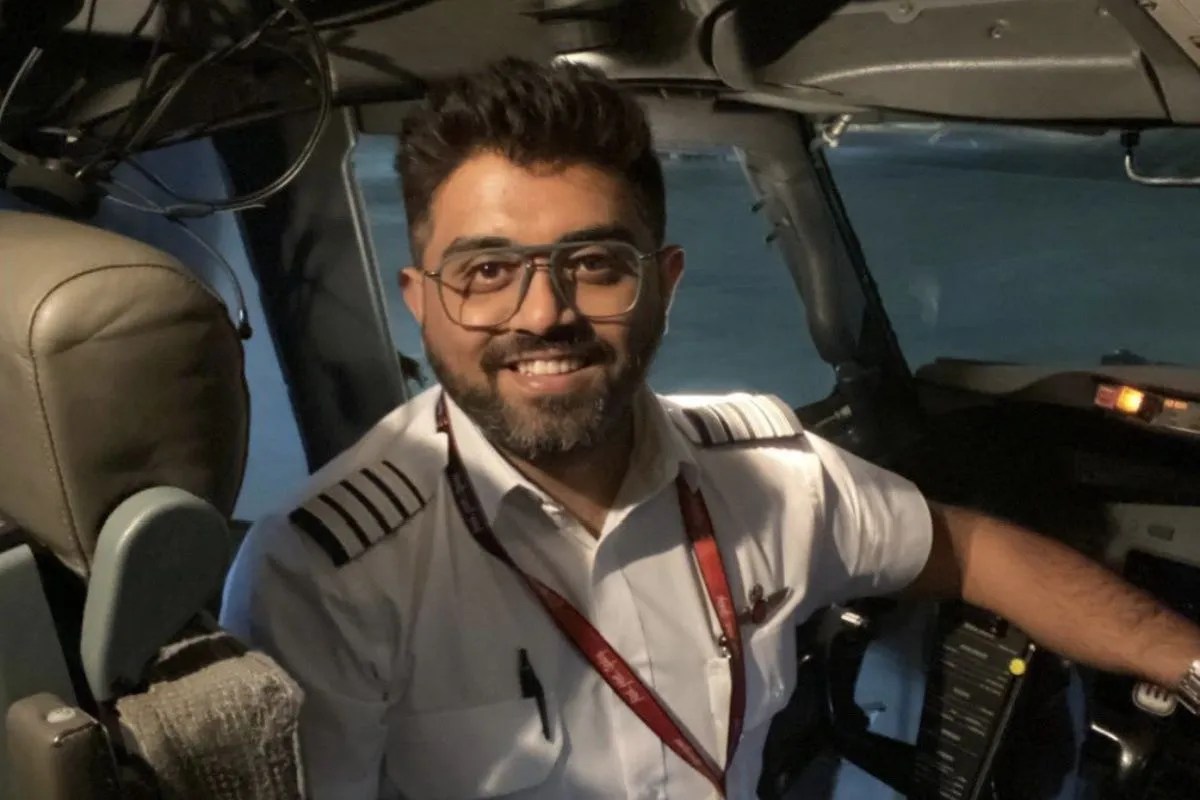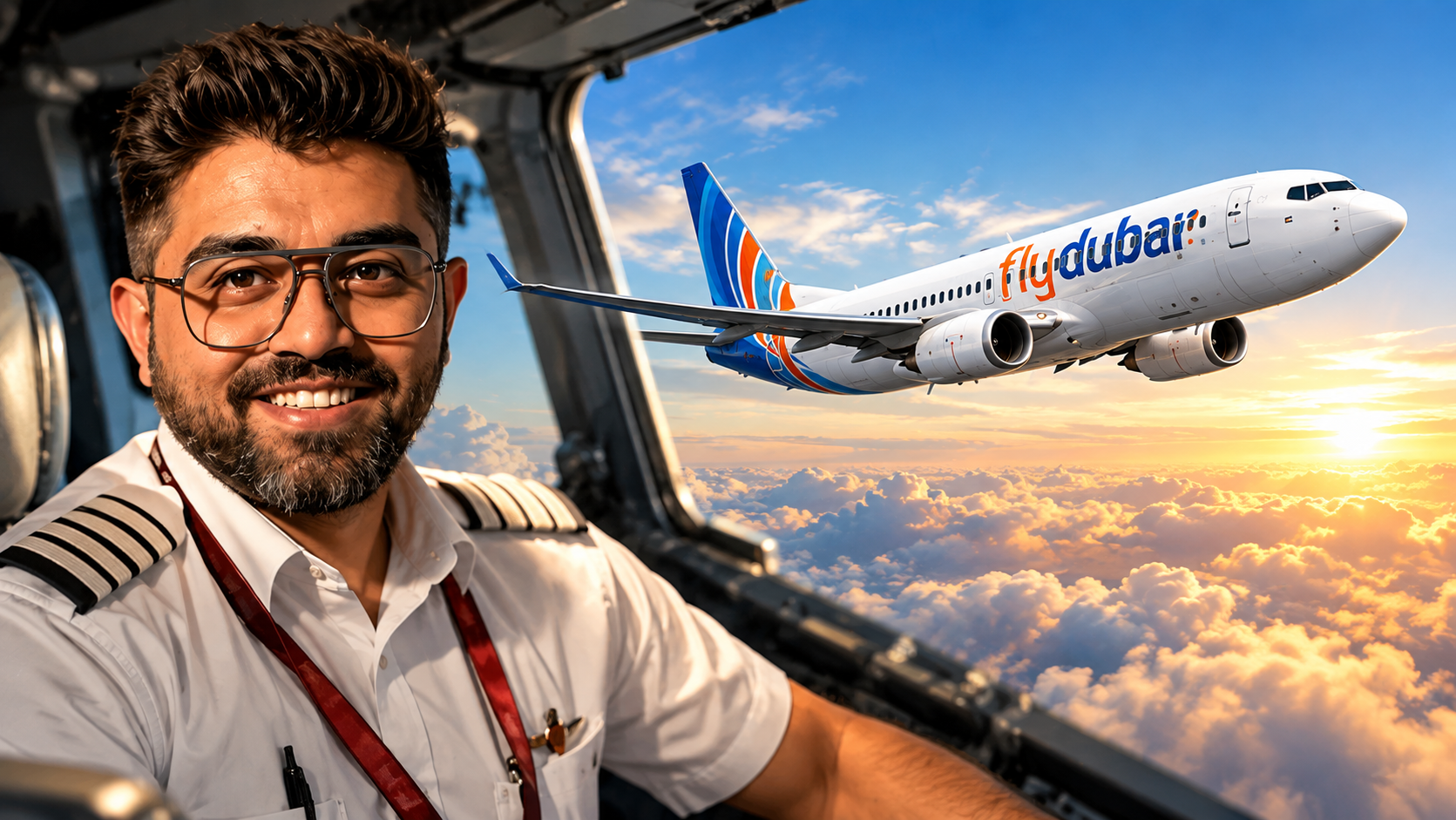
On September 30, 2026, Flydubai Flight 1073 from Dubai to Tel Aviv plunged nearly seventeen thousand feet in a matter of seconds while a life-and-death struggle unfolded behind the reinforced cockpit door. The first officer had allegedly turned on the captain with a crash axe, plunging the Boeing 737 MAX into a violent descent. What saved the 174 passengers and crew from total catastrophe was not an automated safety protocol or an air traffic control intervention, but an improvised, brutal coalition of an Indian captain bleeding from severe head wounds, a plumber, a dentist, and off-duty pilots riding in the cabin.
Modern aviation security has spent decades hardening flight decks against external threats. Cockpit doors became impenetrable vaults after the turn of the century, designed specifically to lock out hijackers. Yet that very design creates an architectural vulnerability when the threat originates from inside the flight deck itself. When the first officer initiated his assault, Captain Smit Machchhar found himself trapped in a confined space with a colleague wielding a weapon. In similar updates, take a look at: The Endless Shadow Over Yemen.
The physical mechanics of a mid-air struggle at 34,000 feet defy easy comprehension. As the aircraft pitched downward, generating gravitational forces and extreme overspeed that strained the airframe's structural limits, Machchhar fought for his life. Bleeding heavily from deep lacerations to his hands and skull, the captain managed a final, critical act of awareness. He reached for the manual override to unlock the cockpit door from the inside just as passengers began hammering from the corridor.
Among them was Yaniv Hayoun, a plumber whose ordinary vocation abruptly intersected with extraordinary chaos. When the door gave way, Hayoun and other passengers—including Asaf Rajuan and Tzvika Manes—stormed the flight deck. The attacker was pinned to the floor. With headphone cords and improvised ties, the civilian passengers secured the rogue co-pilot while the aircraft careened through the upper atmosphere. The Washington Post has also covered this fascinating issue in great detail.
In a moment that highlights the unpredictable nature of crisis response, Hayoun later recounted pulling back the aircraft controls, mimicking maneuvers he had absorbed from television aviation documentaries to help level the plunging jet. The margins for error were razor-thin. The aircraft's transponder flashed emergency squawk codes while its speed pushed the structural integrity of the Boeing airframe to its absolute threshold.
Behind the chaos in the cockpit, another quiet battle for survival was taking place in the cabin. Dr. Shota Musayev, an Israeli dentist traveling on the flight, became the sole medical lifeline for the gravely injured captain. Machchhar's pulse had plummeted, and his lips were turning blue from blood loss.
Musayev commandeered makeshift supplies, utilizing airline T-shirts and ice packs requested from the flight attendants to maintain continuous pressure on the captain's head and hand wounds. For forty-five minutes straight, as the aircraft diverted toward Tabuk, Saudi Arabia, the dentist kept the pilot conscious. He asked him questions about his family in India and his life in Dubai, using psychological engagement alongside clinical pressure to prevent the injured pilot from slipping into fatal shock.
Meanwhile, two deadheading commercial pilots who happened to be passengers on the flight—Rowan Tooth and Henson Steven—pushed their way forward to take control of the flight deck. Operating under extreme pressure with an injured crew and a damaged aircraft, they managed to stabilize the flight path and execute an emergency landing in Saudi territory.
The aftermath exposed deep fissures in how aviation authorities view insider threats. Investigations by international security agencies revealed that the co-pilot had harbored radicalized ideological material, raising uncomfortable questions about background checks and psychological monitoring within Middle Eastern and global commercial carriers. Airlines pride themselves on rigid compliance checklists, yet psychological volatility remains an elusive metric to track. A pilot can pass every simulator check and medical examination, yet harbor intent that no algorithm can predict.
Weeks after the emergency dust settled, the narrative shifted from spontaneous heroism to the bureaucratic reality of survival. The passengers and crew who averted a massacre found themselves navigating insurance claims, medical recovery, and the psychological fallout of near-death. While governments handed out medals and leaders exchanged diplomatic praise, the individuals involved faced the quieter, grinding burden of trauma.
The structural defenses of commercial aviation worked only because ordinary people refused to remain passengers in their own demise. When institutional safety protocols failed from within, survival relied entirely on the grit of a wounded captain, a plumber, a dentist, and off-duty aviators who chose to fight rather than submit to gravity