The physical assembly lines that turned an impoverished nation into an industrial superpower are quietly going dark, replaced by automated machinery that operates without human hands or overhead lighting. Across industrial hubs from Guangdong to Zhejiang, millions of blue-collar workers are discovering that the economic miracle they built no longer has a place for them. Official statistics paper over the fractures, but the reality on the ground tells a stark story of displacement driven by state-subsidized robotic upgrades.
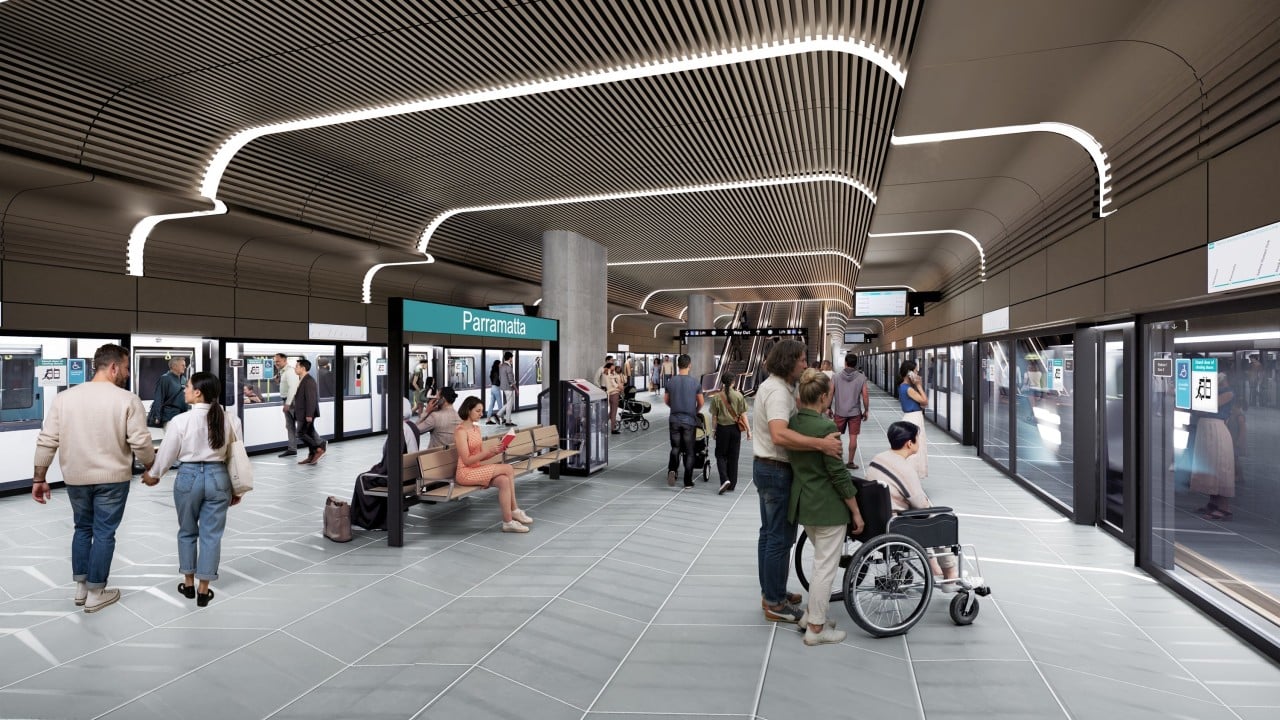
For decades, the standard playbook of economic development relied on a simple trade-off. Rural populations migrated to coastal cities, took up repetitive assembly work, and sent remittances home. That demographic dividend officially expired when the working-age population began to shrink. To stay competitive against lower-wage neighbors and avoid the middle-income trap, state planners made a decisive bet. Instead of managing a gradual transition to a service economy, Beijing poured massive capital into industrial robotics and artificial intelligence. Recently making news in this space: The Economics of Transit Real Estate Integration: Deconstructing the Parramatta Metro Project.
The scale of this shift staggers the imagination. Chinese factories now absorb more industrial robots annually than the rest of the planet combined. Warehouses operate as "dark factories," where machines assemble consumer goods, electric vehicles, and heavy machinery in total obscurity, requiring no illumination or human intervention. Efficiency has skyrocketed. Export volumes remain staggering, and trade surpluses regularly shatter historical records.
Yet productivity metrics conceal a profound social friction. When machines displace human labor at a national scale, the workers who once drove growth face an abrupt dead end. Consider a hypothetical thirty-five-year-old assembly hand in Shenzhen who spent fifteen years soldering circuit boards. When his employer installs a bank of automated robotic arms, his specialized physical skills become obsolete overnight. Retraining for high-tech programming roles requires advanced engineering credentials he does not possess. Further insights on this are explored by The Wall Street Journal.
Instead of moving up the value chain, millions of displaced workers cascade downward into the gig economy. Delivery platforms, rideshare driving, and urban courier networks have absorbed a vast shadow workforce of underemployed citizens. These roles offer daily survival without long-term contracts, social security contributions, or pension guarantees. The foundational social contract of the industrial era—steady labor traded for social stability and retirement security—is quietly dissolving.
Simultaneously, a distinct paradox plagues the nation's youth. While factories automate away traditional entry-level positions, universities continue to churn out record numbers of graduates into a contracting job market. Young adults face structural joblessness that officially hovers near historic highs. Highly educated twenty-somethings find themselves overqualified for grueling logistics jobs and locked out of elite technological sectors that demand rare specializations.
State media often frames this friction as a necessary growing pain on the path to high-value manufacturing supremacy. Government subsidies continue to flow into advanced automation, aerospace, and green tech clusters. Policy documents emphasize national self-reliance and technological sovereignty above local employment preservation. Protecting the domestic industrial base from foreign sanctions takes precedence over maintaining human-heavy assembly lines.
Yet the long-term stability of an economy resting entirely on automated output remains an open question. Capital returns flow directly to enterprise owners and state entities, further widening income inequality. Domestic consumption lags behind production capacity because displaced workers and precarious gig laborers lack disposable income. Dumping excess manufacturing output onto global markets triggers protectionist pushback from international trading partners, compounding external pressures.
The structural transformation underway offers a chilling preview for industrial economies everywhere. Technology can successfully eliminate the friction of labor shortages and rising wages, but it cannot consume the goods it produces. As automated assembly lines hum behind locked doors, the human cost of industrial perfection continues to mount in the shadows of the warehouse floor