Security protocols for world leaders usually stay out of the headlines, but a recent covert maneuver out of Turkey changed that entirely. When intelligence pointed to a credible security threat, Donald Trump's detail didn't take chances. They executed a plan that left the White House press pool, administrative staff, and the public completely in the dark.
Instead of flying out on the aircraft everyone expected, the president was secretly moved via an airport catering truck to an alternate military jet. Meanwhile, the legacy presidential plane flew off with over a hundred journalists and aides on board, serving effectively as a decoy.
The Logistics of the Decoy Operation
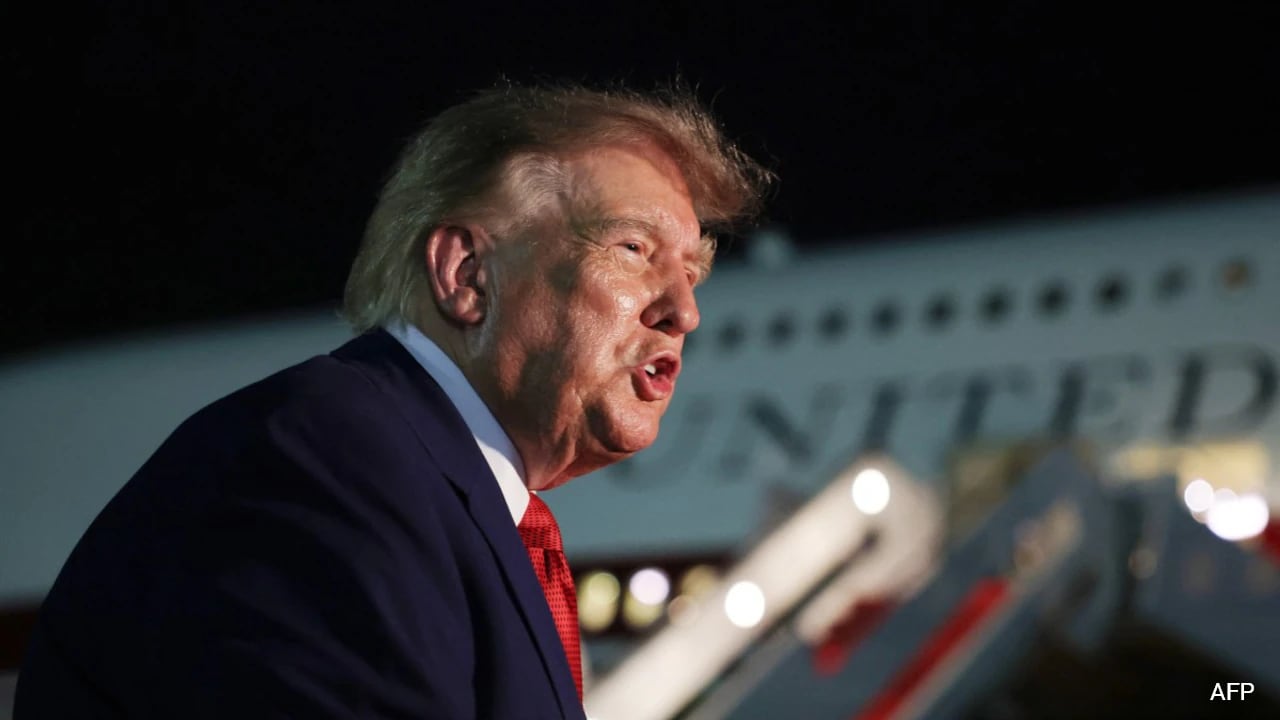
The operation unfolded during a NATO summit in Ankara, Turkey. Public schedules and media briefings indicated that Trump would depart on an older Air Force One aircraft. Cameras captured the president walking up the stairs and disappearing inside the cabin.
What happened next bypassed standard protocol entirely. Through a side door, Trump and a select group of aides stepped directly into an elevated airport catering container. The truck lowered them to the tarmac and transported them to a waiting Air Force C-32A. Defense Secretary Pete Hegseth also boarded that secondary flight, while high-ranking officials like Secretary of State Marco Rubio and Treasury Secretary Scott Bessent remained on the legacy aircraft.
For the duration of the flight to Britain, journalists were instructed to keep their window shades shut. When reporters later questioned why those precautions were enforced, Trump offered a characteristically blunt response. "You're probably on a dangerous flight," he remarked. "But if I go, you go. Right?"
Fallout and Scrutiny Over the Press Pool Risk
The revelation of the decoy flight, first uncovered by The Washington Post, triggered sharp pushback from lawmakers and media analysts. Critics pointed out the ethical dilemma of turning a commercial-style press pool and administrative staff into unwitting shields.
Lawmakers demanded formal congressional briefings to examine how security decisions were weighed against the safety of non-combatants on board the decoy. Former intelligence officials noted that while presidents have occasionally utilized decoy transport during extreme wartime scenarios, utilizing a standard press charter filled with reporters as a decoy during a live threat lacks historical precedent.
When pressed by reporters about the incident, Trump downplayed the danger to himself and the passengers left behind. He insisted that the military and the Secret Service directed the movement, and argued that the secondary plane he traveled on faced higher operational risks.
Decoy movements at this level highlight the friction between absolute executive protection and operational transparency. As investigations and congressional inquiries develop, the event remains one of the most unusual transport security measures in modern presidential history. Check updates directly via CBS News or TIME for ongoing coverage.