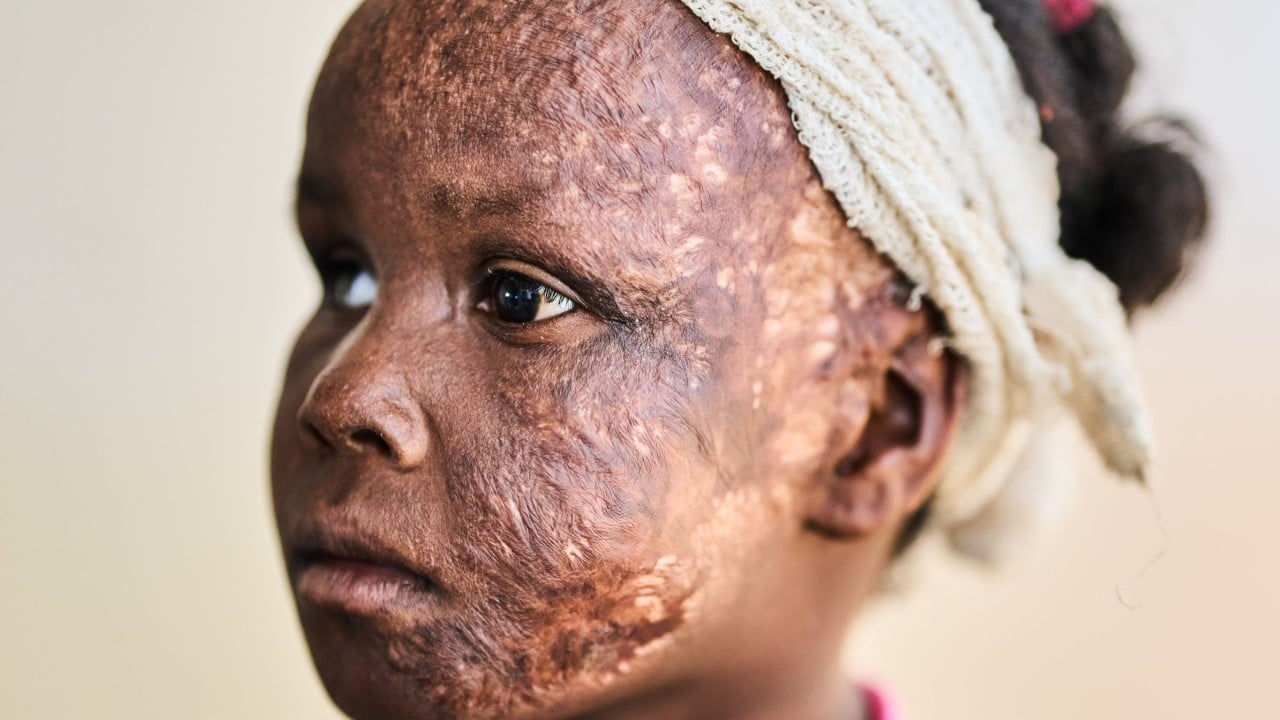
A fresh wave of systematic ethnic cleansing has left parts of Darfur utterly hollowed out. Paramilitary forces have successfully weaponized hunger, targeted infrastructure, and executed civilians along tribal lines. While international bodies routinely express concern, the mechanics driving this violence remain largely unaddressed. A sweeping investigation by Amnesty International exposes a horrifying reality. The Rapid Support Forces (RSF) have turned the siege of El Fasher into a deliberate campaign of demographic erasure, leaving the international community to witness a crisis it has done nothing to stop.
The conflict in Sudan began in April 2023 as a direct power struggle between General Abdel Fattah al-Burhan of the Sudanese Armed Forces (SAF) and General Mohamed Hamdan Dagalo, known universally as Hemedti, the commander of the RSF. What began as a turf war over political transition in Khartoum rapidly transformed into a scorched-earth campaign in the western region of Darfur. This is not a chaotic civil war. It is a highly organized, ethnically motivated effort to displace and destroy non-Arab communities, specifically targeting the Zaghawa, Massalit, and Fur populations.
Understanding the mechanics of this operation requires looking beyond the raw casualties. The strategy relies on a multi-stage approach of encirclement, deprivation, and targeted execution.
The Siege Strategy and the Erasure of the Zaghawa
By late 2023, Hemedti’s forces had captured four of the five state capitals across Darfur. El Fasher, the capital of North Darfur, became the final holdout. Rather than launching a direct frontal assault against a heavily fortified urban center, the paramilitary group executed a tactical chokehold.
Forces began by systematically liquidating the surrounding rural network. They targeted the outer villages, agricultural nodes, and displacement camps that supplied and insulated the provincial capital. Satellite imagery and survivor testimonies confirm that between mid-2024 and late 2025, dozens of non-Arab villages were systematically put to the torch. This was not collateral damage from crossfire. Fighters entered evacuated settlements and burned homes to the ground hours or days after the inhabitants fled. The objective was to ensure nobody could ever come back.
With the countryside cleared, the paramilitary forces tightened a suffocating blockade around El Fasher itself. They halted incoming commercial convoys, blocked medical shipments, and cut off access to water treatment facilities. The city was transformed into an open-air prison. Residents were forced to consume animal feed byproducts just to survive. Daily artillery shelling hammered residential quarters, crowded marketplaces, and the few remaining functional medical centers, such as the Saudi Maternity Hospital.
When the final ground offensive was launched in late October 2025, fleeing civilians encountered a nightmare. A massive 57-kilometer network of dirt berms and trenches had been erected on the outskirts of the city. These checkpoints functioned as slaughterhouses. Paramilitary units systematically separated fleeing families based on tribal identity, using derogatory terms indicating servitude before executing hundreds of non-Arab men and boys.
The Financial and Weapon Logistics Keeping the Paramilitary Fed
Atrocities of this scale do not happen in a vacuum. They require an uninterrupted supply of ammunition, hardware, and capital. To view the paramilitary group as a ragtag militia is a profound analytical failure. It operates like a corporate entity with transnational supply chains.
The financial backbone of the network rests on the control of Sudan's lucrative gold mining sectors. Long before the 2023 outbreak of hostilities, companies tied to Hemedti’s family had established deep financial roots in regional trading hubs. Gold extracted from artisanal mines across Darfur and South Kordofan is smuggled across borders, laundered through shell companies, and converted into hard currency. This liquidity allows the group to purchase advanced technology on the open market.
Despite a long-standing United Nations arms embargo on Darfur, sophisticated weaponry continues to flow directly into the hands of frontline commanders. Field evidence shows a sharp increase in the deployment of armed consumer drones, thermobaric rockets, and modern anti-aircraft systems. These weapons are not manufactured domestically. They are routed through a network of logistics hubs stretching across neighboring Chad, Libya, and the Central African Republic. Ground corridors through eastern Chad have become essential pipelines for fuel and heavy ammunition.
International accountability mechanisms have failed to disrupt these supply networks. Sanctions targeted at individual commanders do little to halt the flow of money moving through foreign banking systems. The entities managing the logistics remain free to purchase shipments of dual-use technology under the guise of commercial enterprise.
The Human Toll Behind the Statistics
The scale of the human suffering in North Darfur challenges conventional tracking. Over 13 million people have been displaced across Sudan since the war began, creating one of the largest displacement crises on earth.
In the camps and makeshift shelters, the reality is stark. Children are not accidental casualties in this war. Investigators found a clear pattern of fighters deliberately targeting children during raids on Zaghawa settlements. Boys as young as twelve are systematically executed to prevent them from joining local self-defense groups, while others are abducted and forced into frontline combat roles.
The weaponization of sexual violence remains a core pillar of the displacement strategy. Survivors fleeing the fall of El Fasher detailed horrific accounts of institutionalized rape and sexual slavery. Women and girls were held in makeshift detention centers, often constructed from shipping containers at sites like the Mina al-Bari facility, where they faced weeks of abuse before being released or moved across provincial lines.
The collapse of the healthcare system has turned entirely preventable conditions into death sentences. Pregnant women routinely give birth in underground bomb shelters without access to clean water or medical attention. Malnourished mothers find themselves unable to nurse their infants, while the ongoing blockade ensures that therapeutic food items never reach the clinics.
Why Regional Mechanisms Fail to Halt the Atrocities
The continued survival of the paramilitary apparatus exposes the deep fractures within regional and global governance. Statements of deep concern from the United Nations Security Council have yielded zero tangible protection for the people of Darfur.
Regional mediation efforts have consistently stalled because several neighboring states have conflicting financial and geopolitical interests in Sudan's future. Some regional capitals view the paramilitary leader as a viable bulwark against Islamic political factions associated with the old regime of Omar al-Bashir. Others are deeply dependent on the agricultural and mineral exports controlled by the militia. This division guarantees that any unified African Union or regional initiative lacks the teeth required to enforce a meaningful ceasefire.
The International Criminal Court has ongoing investigations into the current atrocities in Darfur, yet the lack of physical access to crime scenes severely restricts forensic documentation. Investigators are forced to rely on remote sensing, digital verification, and interviews conducted in refugee camps across the border in Chad. This allows the perpetrators to operate with total impunity on the ground, knowing that international legal mechanisms move at a glacial pace compared to the speed of their military campaigns.
The ongoing failure to deploy an independent, international civilian protection force means the civilian population has been left entirely defenseless. True accountability requires more than symbolic blacklists. It demands the complete closure of the cross-border logistical lifelines that keep the frontline units supplied with fuel and ammunition. Until the global community shifts from toothless diplomacy to an aggressive, enforceable embargo on the financial networks underwriting the violence, the eradication of Darfur's non-Arab communities will continue to its predictable conclusion.