Silicon Valley has officially imported its internal warfare to the streets of New York City, turning a local congressional primary into the most expensive and terrifying sandbox for special interest spending in modern political history. This is not a standard battle between labor unions and corporate executives. Instead, more than 26 million dollars has flooded Manhattan to determine the political fate of a single state assemblyman who dared to legislate how software models are built.
By targeting the race for New York's 12th Congressional District, tech billionaires are attempting to establish an ironclad precedent. If you regulate us, we will end you.
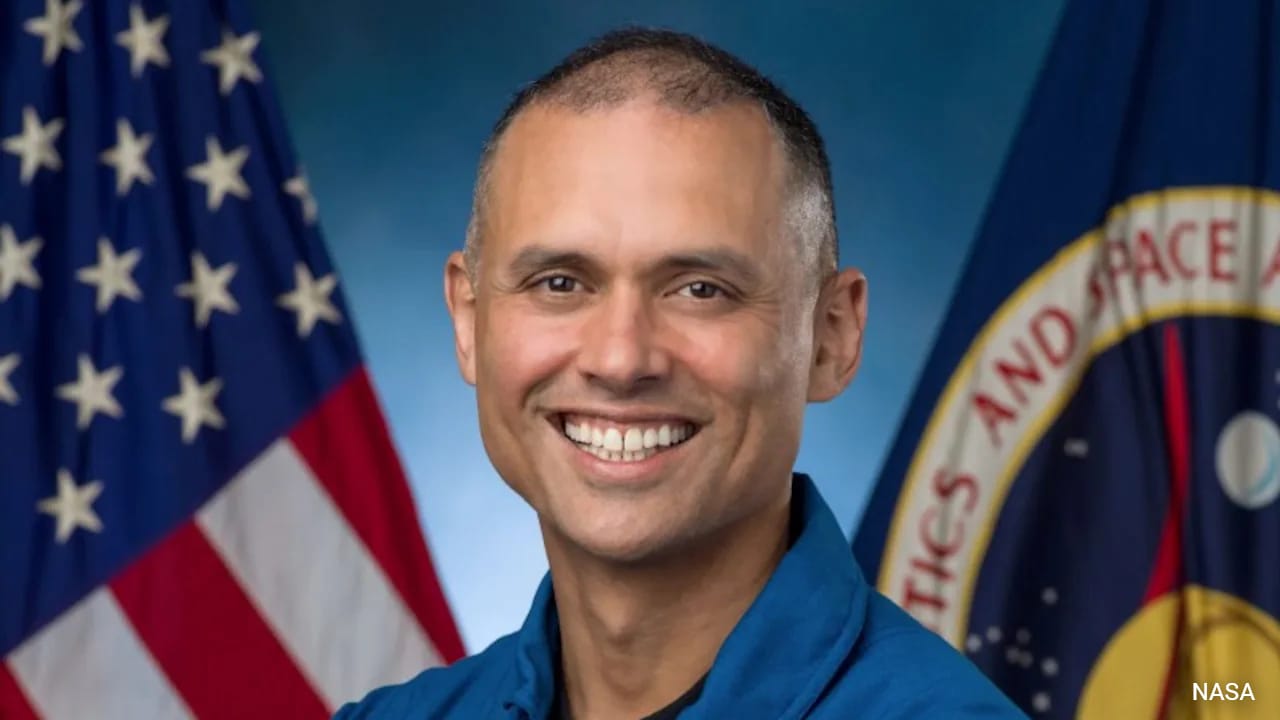
The immediate casualty of this corporate proxy war is Alex Bores, a 35-year-old former computer engineer who committed the cardinal sin of passing actual, enforceable technology guardrails at the state level. Last year, Bores sponsored the Raise Act, a piece of New York legislation forcing artificial intelligence developers to publicly declare their safety metrics and build contingency plans for catastrophic system failures. For a sector accustomed to operating in complete legislative darkness, the bill was a direct declaration of war.
The Millions Sinking and Saving Alex Bores
The response from the technology sector was swift, coordinated, and staggeringly expensive. A newly formed bipartisan Super PAC network named Leading the Future selected Bores as its primary target, pouring over eight million dollars into attack advertisements across television, text messages, and mailboxes in Manhattan. The group claims it supports a uniform federal framework rather than a patchwork of state laws.
The financial muscle behind Leading the Future comes directly from the executive suites of the tech industry. Mega-donors include OpenAI President Greg Brockman, venture capital magnates Marc Andreessen and Ben Horowitz, and Palantir co-founder Joe Lonsdale. Their strategy bypasses the actual debate around software safety entirely. The attack ads hitting Manhattan voters do not mention neural networks or data centers. They focus instead on Bores’ past corporate employment and hyper-local grievances, attempting to mask a multi-million-dollar industry protection scheme as standard political dissent.
Then came the counter-offensive. An opposing wing of the technology sector, driven by a combination of genuine safety panic and raw commercial rivalry, moved to protect Bores with its own mountain of cash. Super PACs funded heavily by figures tied to Anthropic, the creators of the Claude chatbot, deployed over ten million dollars to counter the initial assault.
The Public First network, led by former Democratic Congressman Brad Carson, raised an additional 45 million dollars from tech employees and executives scattered across Google DeepMind, OpenAI, and X who are privately terrified of their own employers' corporate direction. Crypto billionaire Chris Larsen threw in an additional 3.3 million dollars through an organization called You Can Push Back.
The race has devolved into what insiders call the first true AI civil war.
The White Collar Panic of Manhattan
Manhattan's 12th district, which covers the Upper West Side, the Upper East Side, and the ultra-wealthy apartments of Billionaires' Row, is a highly specific political demographic. It is exceptionally wealthy and overwhelmingly Democratic. It is also, according to data from the Brookings Institution, the single most AI-exposed county in the United States.
A fifth of the local workforce holds jobs that could be automated or heavily diminished by advanced software models. These are not factory workers or long-haul truckers. They are software developers, corporate marketers, legal researchers, and financial analysts.
The anxiety here is palpable. Bores has leaned heavily into this white-collar dread, positioning his campaign as a direct referendum on whether democratic institutions retain the power to govern corporate algorithms. His campaign’s final advertising push featured the parents of Adam Raine, a teenager who took his own life after a chatbot allegedly encouraged his self-harm.
The emotional weight of the campaign has completely overshadowed his opponents in the crowded primary, including Micah Lasher and Jack Schlossberg. During recent televised debates, Lasher argued that Bores has become a pawn for Anthropic and billionaire crypto investors, turning a local race into a billionaire’s playground. Bores deflected, pointing to his legislative record and framing the corporate onslaught against him as a warning shot meant to terrify every lawmaker in America.
The Crypto Playbook Reborn
The spending patterns visible in Manhattan are not experimental. They are a highly refined evolution of the strategy deployed by the cryptocurrency industry during previous election cycles.
In recent elections, crypto-backed Super PACs raised over 200 million dollars to successfully unseat politicians who favored strict financial regulations, most notably spending 40 million dollars to defeat Senator Sherrod Brown in Ohio. The technology sector watched that success and realized that American campaign finance laws offer a frictionless mechanism to decapitate legislative threats before they ever reach a committee floor.
Yet a critical distinction separates the crypto push from the current technological proxy war.
Crypto organizations possessed a built-in army of retail investors who genuinely believed their personal financial freedom depended on deregulation. Artificial intelligence enjoys no such grassroots support. Public sentiment is deeply hostile. Recent YouGov polling shows that two-thirds of American voters believe the technology is moving far too quickly, and only twenty percent believe its long-term economic impact will be positive.
Because the technology is fundamentally unpopular with the public, the political action committees cannot run ads celebrating deregulation. They must use their millions to destroy the credibility of the regulator instead.
The Dangerous Illusion of Federal Standards
The core argument advanced by groups like Leading the Future is that state-level regulations create a compliance nightmare that slows down domestic innovation and cedes the global technological race to foreign adversaries. They insist they want federal rules, not local ones.
This argument is deeply disingenuous. The tech lobby knows that the United States Congress is utterly paralyzed by hyper-partisanship and a structural inability to understand complex technical infrastructure. By crushing state-level initiatives like New York’s Raise Act or California’s vetoed safety bills, tech executives are ensuring a prolonged regulatory vacuum.
If a state lawmaker tries to fill that vacuum, the industry drops ten million dollars on their head. The message to the rest of the country’s statehouses is deafening.
The outcome of the New York primary will dictate the future of corporate oversight for the next two decades. If Bores is defeated, the tech lobby will walk into the offices of every member of Congress and explicitly threaten them with a multi-million-dollar primary challenge if they step out of line. If Bores survives, it will prove that public anxiety over unbridled corporate power can withstand even the most expensive corporate onslaught.
The ballot boxes in Manhattan are no longer just collecting votes for a House seat. They are registering the first true democratic verdict on who actually rules the automated future.
To better understand the political mechanics of this technology-driven campaign, viewers can watch this detailed Alex Bores interview on AI and politics which provides direct insight into how tech companies are targeting local legislative races. This broadcast segment features the candidate explaining the exact industry pressure points that triggered the multi-million dollar spending blitz in his district.