More than 200 external police officers have been drafted into the Cleveland Police force area following a catastrophic sequence of violent incidents and tragedies across Middlesbrough and surrounding Teesside communities. This emergency deployment, drawing detectives and armed response units from forces across the country, follows a devastating week that left nine people dead, including two serving officers and a young child. Yet beneath the official assurances of community safety and twenty-hour shift rotations, this massive influx exposes deep institutional strains within regional British policing that an imported badge can only temporarily patch.
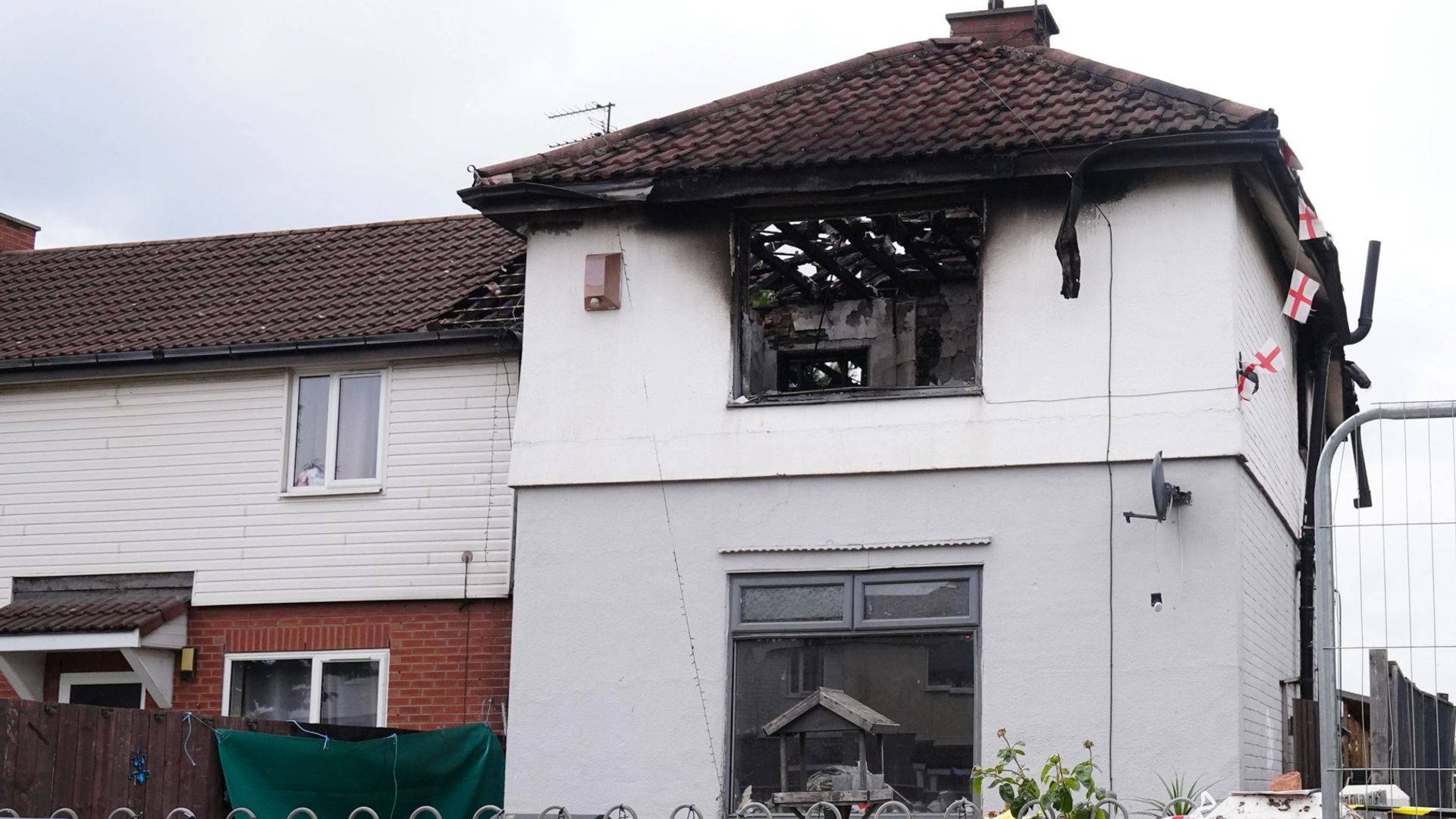
The numbers tell a grim story of a region stretched to its absolute breaking point. Over the span of a few days, a high-speed head-on collision on the A66 claimed the lives of two Cleveland Police officers, Pc Matthew Blades and Pc Tom Clough, alongside five young men. Barely a mile away, a residential fire in Grangetown killed a woman and her seven-year-old niece. Before local investigators could process the scale of these disasters, additional incidents compounded the panic, including a vehicle crashing into a wall in South Bank and a violent daytime stabbing in Eston. For residents living under the TS6 postcode, the saturation of blue lights and armed patrols is less a comfort and more a terrifying indicator that local infrastructure has buckled under accumulated pressure.
The Cost of Reinforcements
Importing two hundred officers from external jurisdictions provides immediate physical security, but it creates a secondary administrative and operational burden. Local leadership is forced to manage housing, briefings, and coordination for hundreds of transient personnel who lack institutional familiarity with the geography, local informants, or historical gang dynamics of Teesside.
Emergency mutual aid agreements are designed for short-term crisis containment, not long-term structural stabilization. When a regional force requires an external cavalry of this magnitude simply to handle a compressed cluster of violent events, it raises uncomfortable questions about baseline staffing models. Years of funding cuts, attrition, and centralized restructuring have left smaller regional forces operating on thin margins. When multiple critical incidents strike simultaneously, the local organizational structure fractures.
Institutional Strain and the Illusion of Control
For decades, the standard playbook for high-profile community trauma has involved political leaders calling for more resources followed by a temporary saturation of uniformed personnel. Local council leaders write letters to the Prime Minister demanding permanent upgrades, ministers promise unwavering support, and visible patrols increase.
Yet visible police saturation rarely addresses the root drivers of structural violence. Gang tensions, localized retaliations, and systemic deprivation do not dissipate because out-of-town tactical units are parked on residential corners. The arrival of armed response teams and national detectives treats the symptoms of a burning community while leaving the underlying social framework starved of preventative investment.
Furthermore, the emotional toll on the home force is difficult to quantify. Officers working twenty-hour rotations while mourning colleagues lost in active-duty collisions are operating in an environment of acute psychological distress. Fatigue breeds operational errors, erodes community trust, and accelerates burnout in a department that was already understaffed before the first vehicle collided on the A66.
Beyond the Surge
As national investigators sift through the wreckage of the recent disasters and local courts process the initial arrests, the temporary two-hundred-officer garrison will eventually pack up and return to their home counties. The political spotlight will shift elsewhere. The fundamental vulnerability of Cleveland's policing apparatus, however, will remain intact unless the strategy shifts from reactive emergency deployment to sustained capacity building.
Pouring external resources into a community after tragedy strikes is an administrative necessity, but it is no substitute for a functional, locally rooted security model that can withstand a crisis without national intervention. Until policymakers address the chronic underfunding of regional infrastructure, every emergency surge will remain just a temporary barrier against an incoming tide.