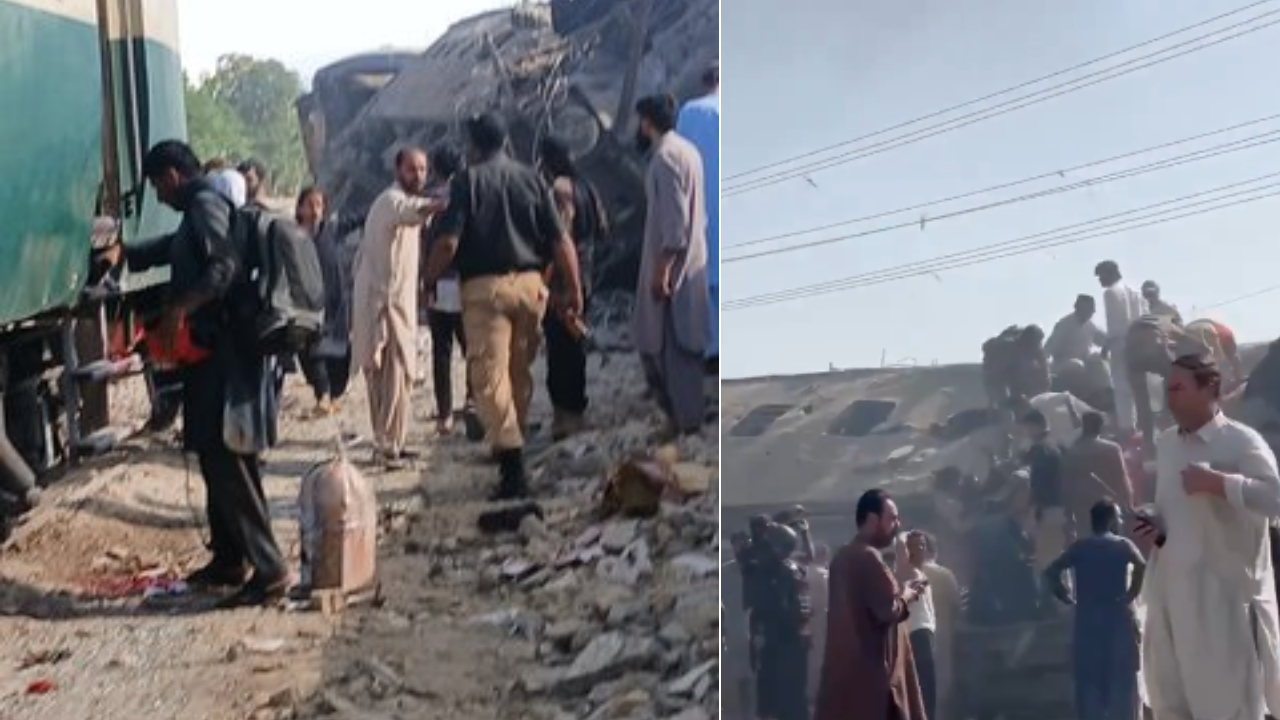
The smoke that filled the Liushenyu coal shaft in Shanxi province smelled of heavy sulfur, like spent firecrackers. It was the only warning the miners received before the air turned to poison. On May 22, 2026, a catastrophic gas explosion ripped through the facility, killing at least 90 workers and hospitalizing 128 more in China's deadliest mining disaster in nearly two decades.
While state media frames the tragedy as an isolated incident of corporate malpractice, the reality is far more systemic. This explosion represents a violent collision between Beijing's aggressive energy security demands and the structural limits of an industry operating at breaking point.
The Math Behind the Mayhem
To understand why Chinese mines are failing, one must look at the national balance sheet. China is the world's largest consumer and producer of coal. Despite pouring billions into solar and wind infrastructure at a record pace, the central government remains deeply terrified of a dark grid.
When regional power shortages crippled manufacturing hubs in recent years, the mandate from Beijing was clear: maximize domestic coal output at all costs.
[National Energy Mandate: Maximize Production]
                      │
                      ▼
        [Regional Quotas Increased]
                      │
                      ▼
[Local Supervisors Falsify Safety Data to Meet Goals]
                      │
                      ▼
         [Systemic Structural Failure]
This intense pressure trickles down to regional mining hubs like Shanxi and Inner Mongolia. When a provincial official's career advancement depends on hitting production quotas, safety regulations morph from survival protocols into administrative hurdles.
The Cost of Deep Extraction
The low-hanging fruit of Chinese coal is gone. Most of the easily accessible, shallow coal seams have been picked clean over a century of industrialization. Today, mining operations must push deeper into the earth or carve out massive, unstable open-pit operations.
Deep underground mining introduces complex geological stresses. As shafts descend past 1,000 meters, methane gas levels rise exponentially. The pressure of the overlying rock increases, creating a constant risk of rock bursts—sudden, violent ejections of coal and stone caused by structural instability.
Managing these risks requires massive capital investment, sophisticated ventilation, and, above all, time. But time is the one luxury a quota-driven mine manager cannot afford.
The Illusion of Automation
In the wake of major industrial accidents, local authorities routinely promise a technological savior. The current corporate talking point centers on smart mining—using artificial intelligence, remote-controlled drills, and automated haulage to remove humans from harm's way.
The strategy looks excellent on a corporate slide deck, but the implementation tells a different story.
| Promised Tech Innovation | On-the-Ground Reality |
|---|---|
| Automated Methane Detection | Sensors routinely covered or calibrated incorrectly to avoid automatic shut-offs. |
| Remote Shaft Monitoring | Subcontractors cut corners out of camera view to meet daily extraction targets. |
| Robotic Drilling Units | High deployment costs restrict usage to state-owned flagship mines, leaving private operations reliant on manual labor. |
The disconnect lies between state-owned enterprises (SOEs) and the vast network of private subcontractors. While a flagship SOE facility in Shaanxi can afford to showcase automated longwall mining to visiting journalists, the small, privately leased shafts in Shanxi are stuck in a different era.
These smaller operations rely heavily on migrant labor from poorer provinces. These workers are paid by the ton, creating a perverse economic incentive to bypass safety checks. If a worker stops the conveyor belt to fix a ventilation flap, they are actively losing money.
Pre-Disaster Warning Signs
The disaster at the Liushenyu shaft was not a sudden, unpredictable act of nature. It followed a well-documented trajectory of institutional neglect. Preliminary investigations by the State Council have already revealed a laundry list of illegal activities: falsified safety data, hidden worker headcounts, and unauthorized sub-contracting.
This pattern mirrors the 2023 open-pit mine collapse in Alxa Left Banner, Inner Mongolia, which claimed 53 lives. Later academic studies using satellite radar data revealed that the slope had been visibly deforming and moving for 18 months prior to the catastrophic failure.
The data was there. The structural shift was measurable. Yet, the excavation continued because stopping meant failing to meet production targets.
The Paperwork Shell Game
The regulatory environment in China's mining sector is not lax because of a lack of laws. The legal framework is actually quite dense. The issue is a sophisticated system of administrative evasion.
Local mining operations frequently maintain two sets of books. One set, clean and pristine, is kept ready for regional inspectors. It shows perfect safety drills, accurate employee registries, and compliant gas readings. The second set, hidden from view, reflects the chaotic, high-speed reality of daily operations.
When an inspector arrives, operations slow to a compliant crawl. The moment the inspection vehicle clears the county line, the speed runs right back up.
The Geopolitical Trap
Beijing finds itself caught in an energy trilemma: balancing carbon reduction goals, economic stability, and energy security. The leadership wants to transition to a green economy, but they cannot risk the industrial paralysis that comes with energy scarcity.
Every time global energy markets fluctuate, or regional droughts reduce hydroelectric output, the central government hits the accelerator on coal.
"We cannot rely on international markets for our core energy security," is a common refrain in state economic planning circles.
This self-reliance doctrine means that when international geopolitical tensions rise, the pressure on domestic coal mines intensifies. The miners underground pay the physical price for macroeconomic insulation.
The Human Subcontract
Behind every statistic is a town like Qinyuan, where the local economy revolves around the rhythms of the shift change. When a mine explodes, it guts the local tax base and destroys multi-generational family structures.
The widespread use of labor dispatch agencies insulates major mining conglomerates from legal liability. When an accident happens, the parent company points to the subcontractor. The subcontractor points to the local team leader.
By the time the legal dust settles, the corporate entity remains intact, while the families of the deceased are left to navigate a opaque system of state-mandated compensation payouts.
The State Council has ordered another round of nationwide safety crackdowns, promising severe punishment for those responsible for the Shanxi blast. But until the underlying economic metrics change—until safety performance carries the same political weight as production volume—the incentive structure will continue to produce body bags.
The industry does not need better sensors or stricter laws on paper. It requires a fundamental recalculation of what a ton of coal is actually worth.