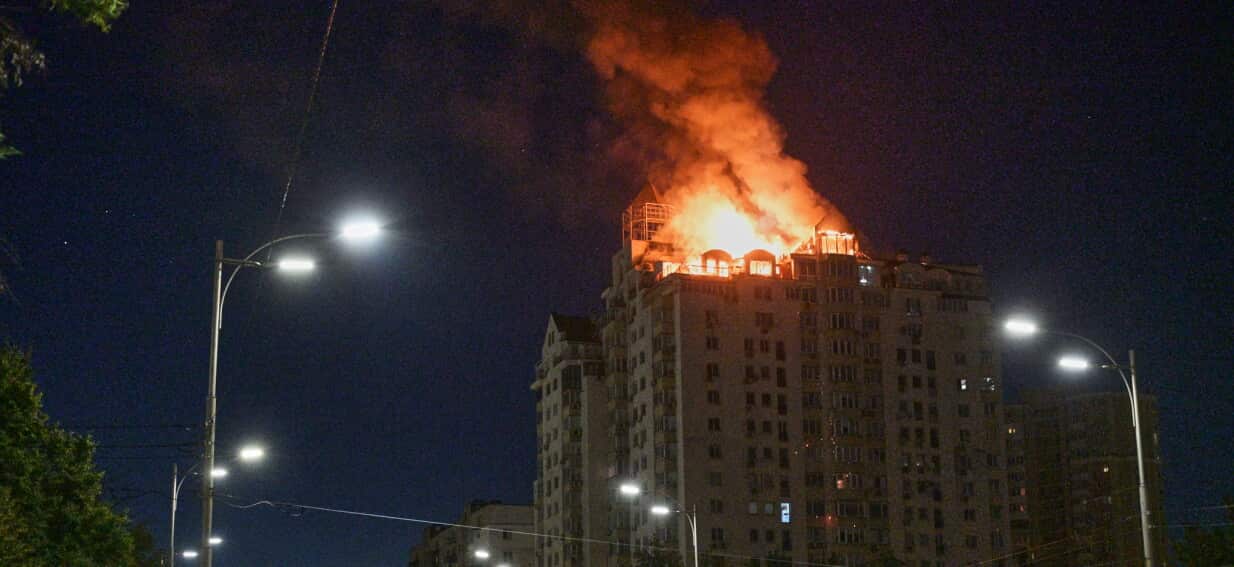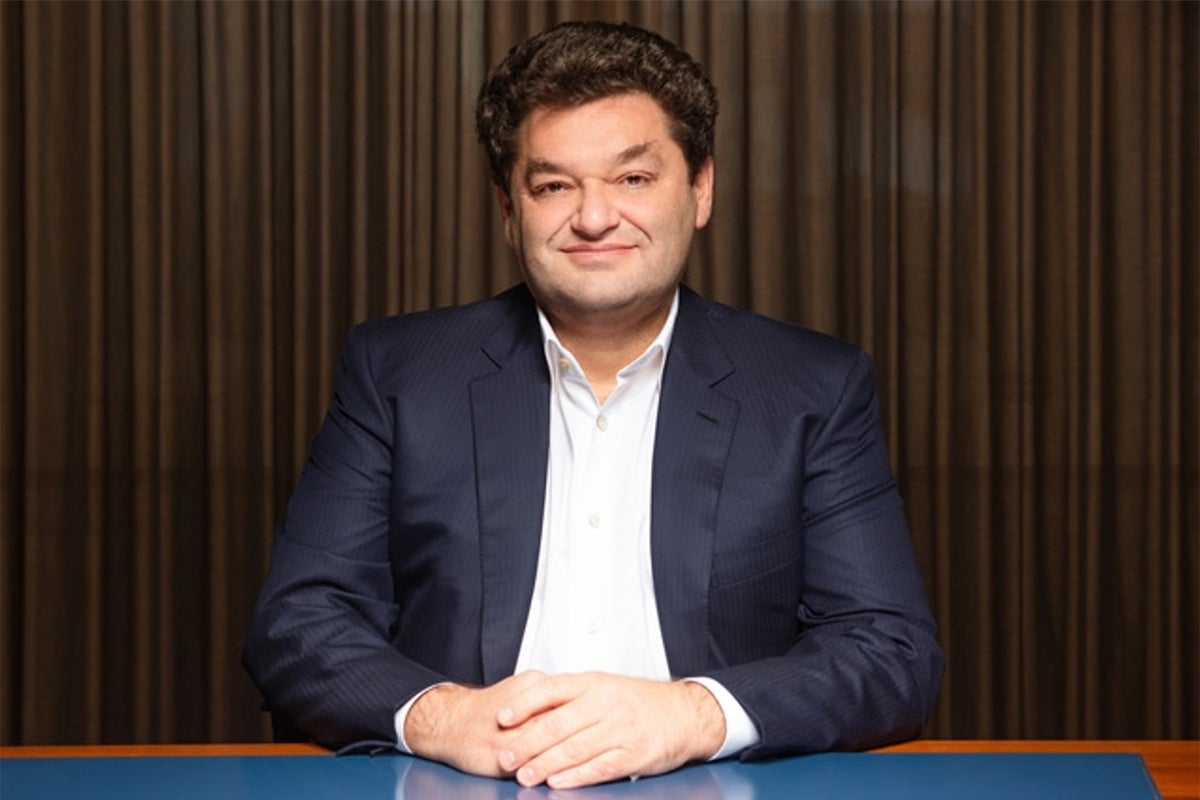
The myth of Monaco as an untouchable sanctuary for the ultra-wealthy shattered at exactly nine in the evening on June 29, 2026. A powerful shrapnel-loaded parcel bomb detonated at the entrance of a luxury residential building on Rue Révérend Père Louis Frolla, critically wounding Ukrainian-born tycoon Vadym Iermolaiev, his wife, and their teenage son. Within hours, the pristine streets of the principality became an active crime scene, with French and Monegasque authorities tracking a lone suspect who fled on foot into the neighboring French commune of Beausoleil. This was not a random act of street violence. It was a cold, calculated hit that brought the dangerous, interconnected worlds of Eastern European dark money, wartime sanctions, and illicit cyber-fraud networks directly onto Western Europe's most exclusive shores.
For decades, the global elite assumed that buying property in Monaco bought absolute security. That assumption is dead. The attack on Iermolaiev, a real estate and industrial mogul originally from Dnipro, exposes a violent undercurrent flowing beneath the surface of European tax havens. While Monaco Attorney General Stéphane Thibault quickly ruled out a conventional terrorist motive, the reality is far more unsettling for the billionaires living along the Mediterranean. The investigation has rapidly focused on three explosive theories, each revealing how the toxic fallout of regional conflicts and globalized organized crime can no longer be contained by national borders.
The Cyberscam Connection and the Family Feud
To understand why a bomb went off in a Monaco lobby, investigators are looking closely at the recent legal troubles of the Iermolaiev family outside France. In December, the tycoon’s eldest son, Artur Iermolaiev, was detained by authorities in Cyprus. The charges were massive, involving the orchestration of a sprawling network of illicit phone scam operations and fraudulent call centers that targeted citizens across the European Union.
These call centers are not small-time operations run out of basements. They are highly sophisticated, corporate-style criminal enterprises generating hundreds of millions of euros annually. They utilize complex IP-spoofing software, psychological manipulation scripts, and layered cryptocurrency laundering funnels to strip life savings from unsuspecting victims. In the hyper-violent world of multi-million-euro cyber fraud, missing funds or broken agreements are rarely settled in a courtroom.
The Mechanics of Call Center Retaliation
When a massive cyber-fraud network faces law enforcement pressure, the internal infrastructure frequently collapses under the weight of paranoia and greed. Millions of euros in frozen assets or seized servers leave dangerous debts unpaid. If the younger Iermolaiev’s operation collapsed or left international criminal syndicates holding empty bags, the family patriarch in Monaco became an obvious, high-profile target for extortion or direct vengeance.
Organized crime groups operating out of Eastern Europe and the Balkans have long used contract violence to enforce discipline or collect debts. A parcel bomb packed with bolts and pellets is a classic signature. It is designed not just to eliminate a target, but to send a visceral, terrifying message to anyone else thinking of withholding funds or cooperating with international investigators.
The Crimean Property Portfolio and the Kremlin
Beyond the digital underworld of phone scams lies a massive paper trail linking Vadym Iermolaiev directly to the geopolitical crossfires of the war in Ukraine. Iermolaiev built his initial fortune through the Alef Group, a sprawling conglomerate with vast holdings in commercial real estate, manufacturing, and agricultural production. However, it was his post-2014 business decisions that put him on a collision course with both Kyiv and Moscow.
Following the Russian annexation of Crimea, many Ukrainian businessmen faced a brutal choice between abandoning their assets or cutting deals with the occupying authorities. Iermolaiev chose to maintain his commercial footprints in the occupied territories. This decision allowed his businesses to continue operating, but it came at a devastating reputational and political cost back home.
The Double Agent Trap
In December 2023, Ukrainian President Volodymyr Zelenskyy signed a decree placing sweeping sanctions on Iermolaiev. The official justification was clear, citing his ongoing commercial and financial ties to Russian-controlled entities in Crimea. To the government in Kyiv, anyone paying taxes to Russian administrators or maintaining commercial operations in occupied zones is actively funding the enemy war machine.
Yet, in the paranoid climate of modern Moscow, having ties to Russia is no guarantee of safety. The Kremlin has demonstrated a ruthless history of targeting wealthy elites abroad who are perceived as unreliable, double-dealing, or attempting to shield their wealth in Western jurisdictions. Oligarchs who try to straddle the line between Russian commercial interests and Western European residency often find themselves viewed as liabilities by Russian intelligence services.
The campaign of targeted killings orchestrated by Russian operatives across Europe has accelerated dramatically since the 2022 invasion. Mysterious falls from windows, unexplained poisonings, and sudden explosions have claimed the lives of dozens of executives and high-net-worth individuals from Madrid to London. If Iermolaiev was suspected of attempting to leverage his Western connections or coordinate with foreign intelligence to lift sanctions, he would instantly move to the top of a target list.
The Speculation Surrounding the Kyiv Formula
The third and most politically explosive theory circulating through French media intelligence circles points toward a potential covert operation by Ukrainian security services. Outlets like Le Figaro have noted that investigators cannot entirely dismiss the possibility of a targeted strike by the SBU or military intelligence. Ukraine has demonstrated an extraordinary capability to execute precise, deniable operations deep behind enemy lines and within Russia itself to eliminate high-value collaborators and economic enablers.
For a nation fighting an existential war, economic warfare is just as vital as frontline combat. Tycoons who use foreign citizenships—Iermolaiev renounced his Ukrainian citizenship nearly a decade ago to become a Cypriot national—to protect assets while profiting from occupied territories are viewed in Kyiv not as businessmen, but as traitors.
The Geopolitical Risk of European Sabotage
Despite the strategic logic of neutralizing financial backers of the Russian occupation, an assassination attempt on the Côte d'Azur carries immense, almost prohibitive risks for Ukraine. Kyiv remains utterly dependent on Western European political, financial, and military support. Executing a noisy, violent bomb attack in Monaco, wounding a woman and a child in the process, would be an unprecedented diplomatic disaster.
European politicians are already facing domestic pressure regarding the scale of foreign aid. A confirmed Ukrainian state-sponsored bombing in a peaceful Western European principality would hand a massive propaganda victory to factions arguing that the conflict is spilling out of control. The blowback would far outweigh any benefit gained from eliminating a sanctioned real estate developer.
The Mirage of Mediterranean Security
The Monaco bombing cuts through the comforting illusions carefully cultivated by Western Europe’s elite tax havens. For decades, places like Monaco, San Remo, and Nice functioned as neutral zones where wealthy individuals from across the former Soviet Union could park their families and their capital, far away from the volatility of their home countries. They believed their money could buy a permanent exemption from the violence that generated their fortunes.
Monaco police pride themselves on maintaining one of the highest densities of surveillance cameras and law enforcement personnel on earth. Every street corner is monitored; every license plate is logged. Yet, a man in a black bucket hat and a jacket was able to walk the neighborhood undetected, wait for his targets, plant an improvised explosive device, and walk across the border into France while the smoke was still clearing.
The reality is that no amount of municipal security can defend against a motivated adversary armed with modern, deniable tools of violence. When the rule of law breaks down on a global scale, the lines separating legitimate corporate business, state-sponsored espionage, and underground cyber crime blur into nothingness. The blast on Rue Révérend Père Louis Frolla proved that the wars of Eastern Europe and the violent realities of the digital black market cannot be neatly confined to distant time zones. The shadows have caught up with the money, and the Côte d'Azur is no longer safe.