Protecting endangered species across Southeast Asia requires more than good intentions and paperwork. When governments rely solely on traditional bureaucratic structures, frontline conservation usually suffers from chronic funding gaps and outdated medical equipment. That reality makes the recent push between Indonesia and Vantara a fascinating test case for cross-border ecological cooperation.
Indonesia holds some of the densest and most threatened biodiversity on the planet. Managing that natural heritage demands infrastructure that most local agencies struggle to maintain alone. Enter Vantara, the massive wildlife rescue and rehabilitation initiative founded by Anant Ambani under Reliance Industries. By teaming up with Indonesia's Ministry of Forestry and the PT Fauna Land Group, this alliance aims to radically upgrade veterinary capabilities where animals need it most.
Upgrading Field Medicine on the Ground
Forget about distant committees holding theoretical seminars. This agreement targets hard operational challenges. Indonesia's Forestry Minister Raja Juli Antoni made it clear during the announcement in Jakarta that sovereign ownership remains firmly in Indonesian hands. The facilities and programs stay under local control, while Vantara injects critical technical support, veterinary expertise, and resources.
The immediate rollout includes several concrete upgrades designed to bridge practical care gaps:
- Ten mobile veterinary units, styled as hospitals on wheels, deployed to reach remote wild populations.
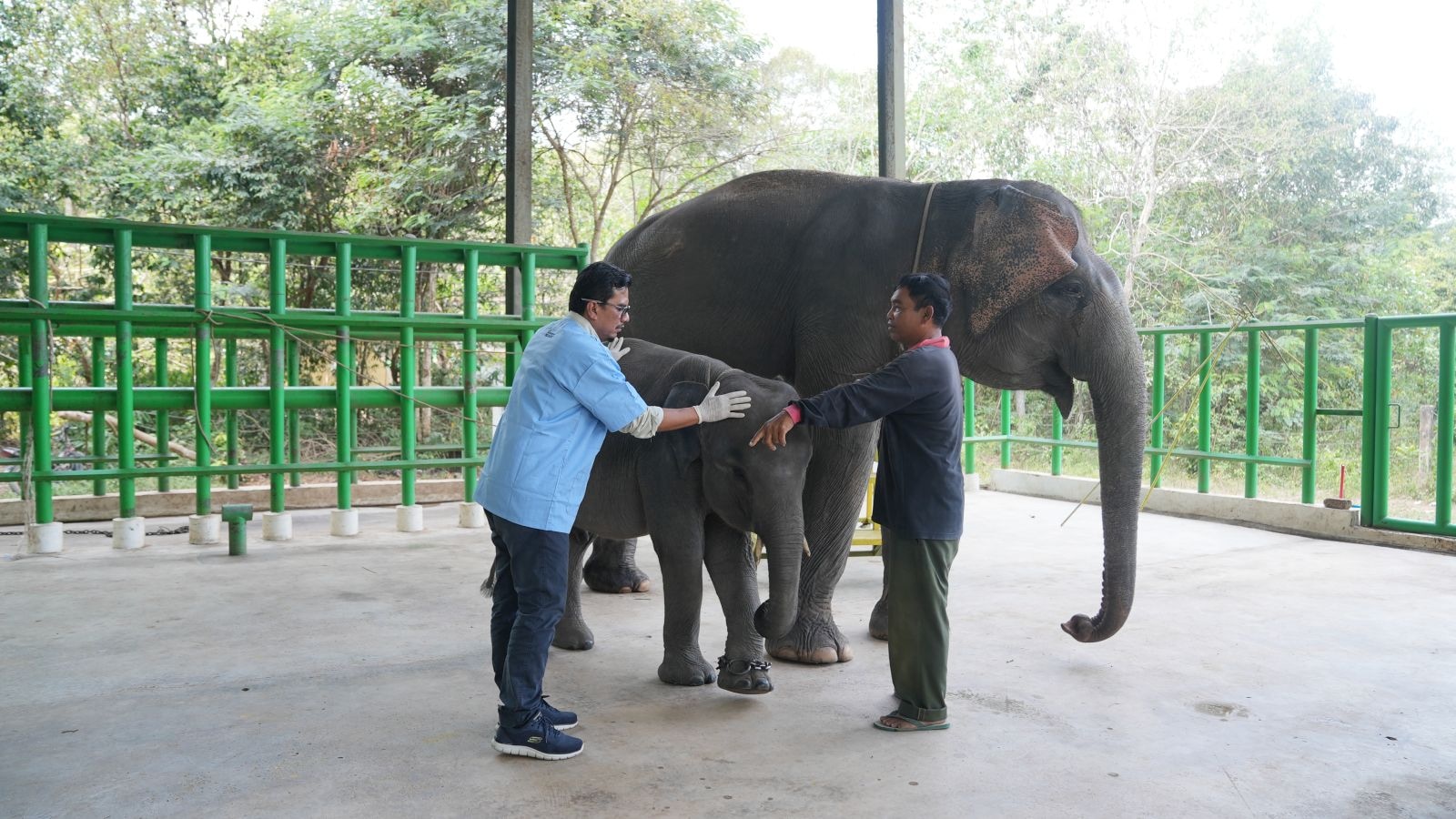
- A major overhaul of the Way Kambas Elephant Hospital into an advanced treatment and care hub.
- Specialized training modules targeting veterinarians, elephant keepers, and field management staff.
The Way Kambas upgrade alone targets roughly 62 Sumatran elephants under human care alongside nearly 100 wild elephants roaming the surrounding landscape. That specific focus matters because regional populations face constant pressure from habitat fragmentation and deadly pathogens like Elephant Endotheliotropic Herpesvirus (EEHV).
Shifting Focus Toward International Action
For Vantara, this alliance marks a major step outward from its massive 3,500-acre sanctuary in Jamnagar, Gujarat. Following the release of its structured five-year plan, the organization is actively exporting its accumulated veterinary framework to international partner nations. Vantara CEO Vivaan Karani pointed out that while they bring advanced animal husbandry methodologies to the table, they also expect to absorb valuable field lessons from Indonesia's long history of managing complex rainforest ecosystems.
Critics often dismiss high-profile corporate conservation pacts as empty public relations exercises. Yet, when an initiative commits to funding specialized mobile field clinics and upgrading national park medical wings, the impact moves past theory. Success won't be measured by press releases or ministerial handshakes. It will be tracked by survival rates among endangered populations, faster outbreak responses, and how well local staff can utilize these new medical tools once the initial rollout concludes.
Keep an eye on how these mobile veterinary units operate in remote terrain over the next year. If they bridge the gap between isolated wildlife populations and advanced medical intervention, other biodiversity-rich nations will likely copy the blueprint.