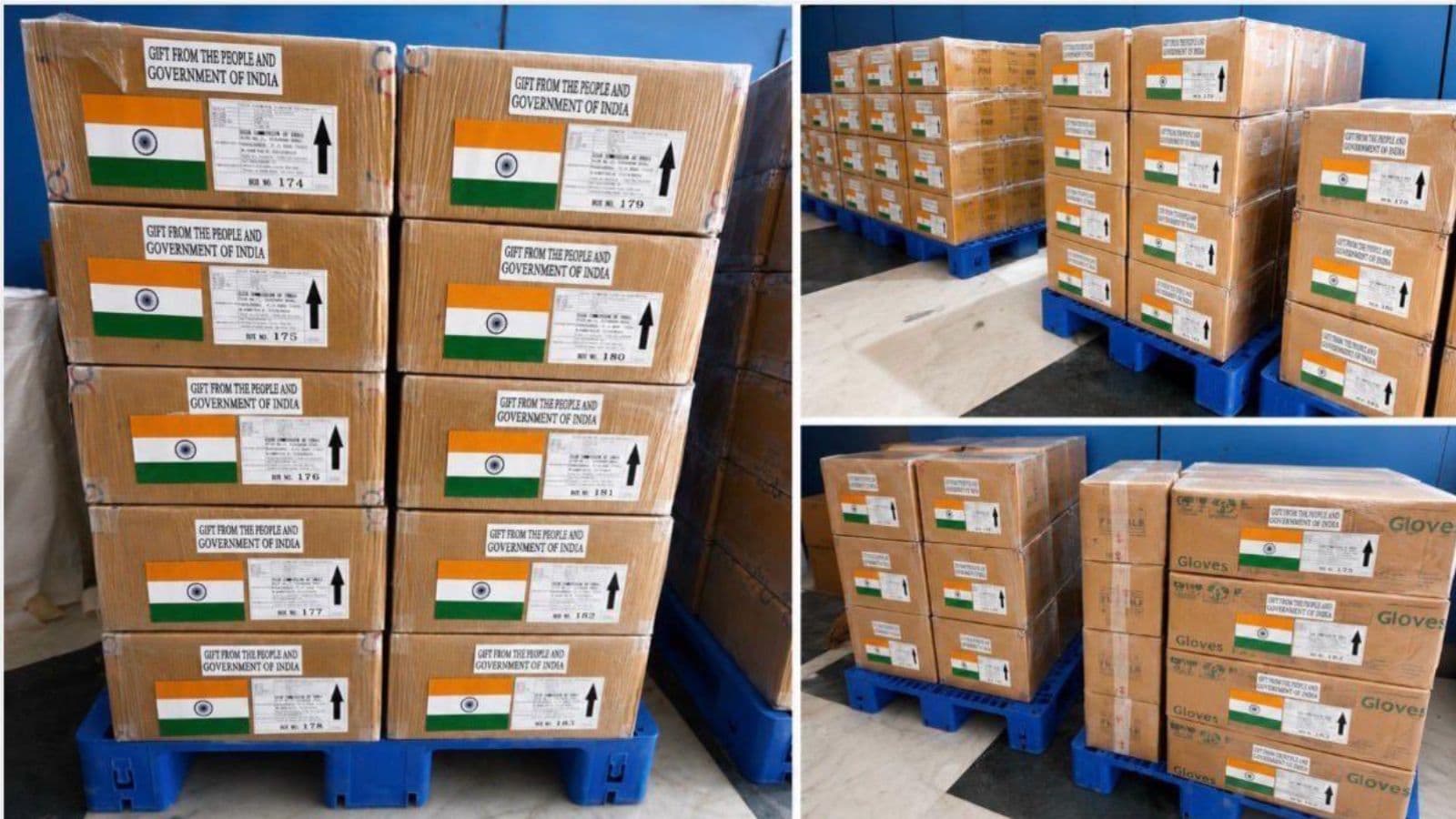
The headlines look spectacular. Photo opportunities feature pristine boxes wrapped in diplomatic flags, speeches celebrate South-South cooperation, and press releases laud India's swift response in sending medical tranches to the Africa Centres for Disease Control and Prevention (Africa CDC). The mainstream media eats it up, framing the shipment as a triumphant moment of global health solidarity following a World Health Organization emergency alert.
It is a beautiful narrative. It is also entirely wrong.
Sending physical pallets of generic medicine across oceans during an active viral outbreak is often the least efficient, most logistically bankrupt way to handle a public health crisis. While politicians collect their soft-power dividends, public health logisticians on the ground are left quietly dealing with the fallout of what can only be described as toxic philanthropy.
The Dump and Run Phenomenon
Mainstream reporting treats medical aid like a standard retail transaction: Country A needs medicine, Country B ships medicine, problem solved. Anyone who has spent time managing emergency supply chains in sub-Saharan Africa knows the reality is far messier.
When a foreign government rushes a highly publicized shipment of medical supplies into an active hot zone, they rarely account for the local bottlenecks. This is the "dump and run" phenomenon.
Emergency aid drops frequently create a secondary crisis at the point of entry. Customs clearing houses become overwhelmed. Cold-chain storage infrastructure—which is critical for many specialized therapeutics and diagnostics—gets pushed past its breaking point.
Imagine a scenario where a local distribution center has exactly four functioning ultra-cold freezers. A sudden, uncoordinated delivery of thousands of doses of medicine arrives at the airport. The local team must now choose between letting the new shipment spoil on the tarmac or displacing existing, critical routine vaccines for measles or polio to make room for the political photo-op cargo.
The World Health Organization itself has published guidelines on medicine donations, explicitly warning that uncoordinated aid frequently results in the delivery of inappropriate drugs, preparations that do not match local clinical protocols, or items with expiring shelf lives that expire before they can be distributed. Yet, every time an emergency alert flashes on a screen, nations repeat the same playbook because the political cost of doing nothing outweighs the operational cost of doing something useless.
The Mirage of Soft Power
India's pharmaceutical strategy has long earned it the title of "the pharmacy of the world." The country produces massive volumes of high-quality, affordable generics. But there is a sharp distinction between commercial pharmaceutical dominance and effective crisis response.
The current consensus insists that these medical tranches strengthen bilateral ties and cement India's role as a leader of the Global South. This view ignores the growing frustration among African public health institutions regarding supply-chain paternalism.
True partnership does not look like emergency cargo flights dropped off during a media frenzy. True partnership looks like capital investment, technology transfers, and the localization of manufacturing.
The Africa CDC has been vocal about its goal to manufacture 60 percent of the continent's vaccine and pharmaceutical needs locally by 2040. When external powers flood the market with free or heavily subsidized emergency tranches, they inadvertently suppress the economic viability of local manufacturing initiatives.
The Real Cost of Free Goods
- Market Distortion: Free donations temporarily crash local demand, making it impossible for regional manufacturers to scale up production or justify capital investments.
- Logistical Diversion: Local health ministries must divert scarce personnel and fuel from local programs to manage the transport and security of international donations.
- Waste Management: When uncoordinated donations arrive near their expiration dates, the financial burden of hazardous waste disposal falls entirely on the recipient nation.
Dismantling the Emergency Premise
When a public health emergency strikes, the immediate public reaction is to ask: "How fast can we get supplies there?"
This is the wrong question. The right question is: "Why weren't the resources already there, and why aren't we sending cash instead?"
Shipping physical goods across the globe in response to an active outbreak is a structural failure disguised as a humanitarian victory. The transit times alone guarantee that the peak of the transmission curve may well have shifted before the cargo clears customs.
If the goal were purely clinical efficacy, international partners would utilize flexible financing mechanisms. They would provide capital directly to the Africa CDC or regional procurement agencies, allowing them to source materials from the closest viable hubs, optimize local logistics, and buy exactly what clinical teams on the ground are requesting.
Instead, the global health architecture remains trapped in a flawed model where donor countries insist on sending physical goods produced within their own borders. It is a domestic manufacturing subsidy masquerading as altruism.
The Accountability Gap
The downside of criticizing this model is obvious: you get accused of being cynical or callous during a humanitarian crisis. It is a highly effective shield that protects inefficient systems from rigorous audit.
When a private company runs a supply chain this poorly, they go bankrupt. When a state-backed humanitarian initiative does it, they get a front-page feature and a diplomatic pat on the back.
We must stop measuring the success of global health interventions by the volume of goods shipped or the weight of the cargo tranches. Success must be measured by clinical outcomes, system integration, and the preservation of local institutional autonomy.
Until we separate the theater of diplomacy from the science of logistics, these high-profile shipments will continue to serve the sending nations far better than the communities they claim to protect.
Stop celebrating the cargo planes. Start auditing the distribution lines.