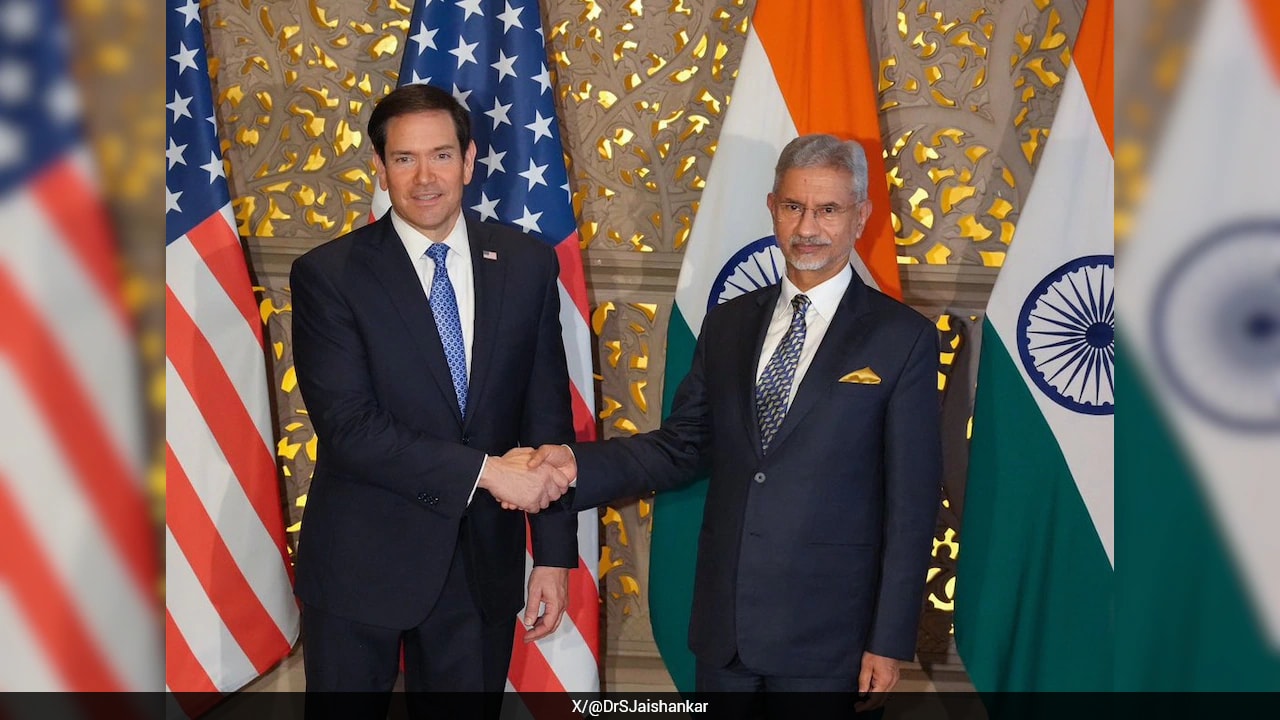
Diplomatic headlines claiming "extraordinary alignment" between New Delhi and Washington misread how great powers actually behave. When US Secretary of State Marco Rubio praised India-US alignment during his October 2026 visit, he was describing tactical convergence on specific security and commercial problems rather than automatic agreement across every domain.
Real bilateral alignment is not a static state of harmony. It is a dynamic cost-benefit equilibrium where two sovereign states accept friction in one arena to preserve leverage in another. Treating a diplomatic soundbite as a permanent alliance blinds executives and policymakers to the real constraints governing trade, defense procurement, energy sourcing, and immigration.
Why Diplomatic Alignment Differs From Structural Convergence
Standard coverage of high-level visits conflates polite diplomacy with structural compatibility. In practice, two states align when their threat perceptions and supply-chain incentives overlap enough to outweigh competing domestic interests.
Three structural mechanisms drive India-US alignment while simultaneously setting its ceiling:
- Deterrence incentives in the Indo-Pacific: Both capitals share an interest in preventing unilateral hegemony by China across maritime and continental borders, supporting cooperation through frameworks like the Quad and bilateral military exercises.
- Industrial and technological complementarity: US capital, defense engineering, and advanced semiconductor or AI ecosystems pair with India's scale, manufacturing push, and technical talent, including initiatives such as TRUST.
- Asymmetric risk tolerances: Washington views global crises through alliance commitments, sanctions enforcement, and coalition discipline, whereas New Delhi prioritizes strategic autonomy, multi-alignment, and domestic economic resilience.
Because these mechanisms operate on different timelines, headlines about alignment often lag behind real operational friction. A joint statement can signal goodwill on Monday while tariff disputes, visa scrutiny, or energy sanctions complicate commercial execution on Tuesday.
Mapping the Hidden Friction Across Core Pillars
Competitor coverage typically lists "core issues" as if they move in lockstep. A rigorous analysis separates strategic intent from operational execution across the main pressure points.
Trade and Market Access Friction
Bilateral merchandise trade has expanded substantially—reaching $132.2 billion in 2025-26 in bilateral merchandise figures cited in policy briefings and $140.79 billion in FY26 trade tracking, with India recording a trade surplus. Yet volume growth does not eliminate tariff and non-tariff friction.
Disagreements persist over agricultural and dairy access, medical devices, digital trade rules, and tariff adjustments. Negotiations toward a Bilateral Trade Agreement aim to narrow these gaps, but domestic constituencies in both countries protect sensitive sectors. For companies, this means market access is negotiated issue by issue rather than guaranteed by diplomatic warmth.
Energy Security and Sanctions Crosswinds
Energy diplomacy exposes the sharpest tension between coalition pressure and domestic cost control. India relies heavily on imported crude and refining capacity to keep domestic inflation manageable and industrial inputs affordable.
During October 2026 discussions, US officials emphasized diversifying India's crude supply—including prospects involving US and Venezuelan barrels—while Western sanctions policies and Middle East instability continue to shape sourcing choices and Russian oil purchases. Commercial reality intervenes here as well: high freight rates, sanctions compliance rules, payment channels, and upstream infrastructure limits can slow or alter crude flows regardless of political enthusiasm.
Mobility, Talent, and Policy Coherence
Technology cooperation depends on cross-border engineering talent, supply-chain predictability, and regulatory clarity. Tighter US visa rules, processing delays, or sudden shifts in immigration enforcement create immediate friction for IT firms, universities, and multinational teams even when bilateral tech initiatives receive high-level backing.
Equally important is perception risk. When Washington engages Pakistan or signals tactical adjustments involving major rivals like China, New Delhi watches closely for any dilution of support on counterterrorism or regional balance. Conversely, when New Delhi maintains defense or energy ties with Moscow, Washington tests how far strategic autonomy can stretch before triggering legislative or executive pushback.
What Analysts and Operators Often Misread
A common mistake in geopolitical commentary is assuming that high-level meetings resolve underlying structural trade-offs. Visits by senior officials—including Secretary Rubio's engagements in India—help stabilize communication, set agendas, and keep channels open during turbulent stretches. They do not erase conflicting domestic incentives.
Consider how a multinational electronics or energy firm might misread the news. Seeing "extraordinary alignment" in a headline could lead an executive to assume tariff relief, friction-free cross-border staffing, or effortless energy routing is imminent. In reality, commercial outcomes still depend on customs rules, sanctions exemptions, freight economics, and visa adjudications.
This distinction between known facts and educated hypotheses is essential:
- Known facts: High-level diplomatic engagement continues across defense, technology, and trade; bilateral trade volumes remain large; and friction points over tariffs, Russian oil, regional diplomacy, and visas remain active topics of debate.
- Educated hypotheses: Selective convergence on Indo-Pacific security and supply-chain resilience will likely hold because both capitals face strong incentives to hedge against concentrated dependencies, even as periodic disputes create tactical volatility.
There is a clear limitation to relying on alignment narratives as a business or policy forecast: political alignment can shift faster than capital expenditure cycles. A factory, refinery upgrade, or defense co-production line takes years to amortize, whereas tariff rates or diplomatic tone can shift within quarters.
Tactical Sequence for Evaluating Bilateral Signals
To turn diplomatic announcements into actionable intelligence rather than noise, apply a four-step verification sequence whenever a major bilateral statement appears:
- Isolate binding commitments from aspirational language. Separate signed agreements, statutory exemptions, or tariff schedules from broad statements about shared values or a "defining century".
- Trace the incentive structure for each side. Ask what domestic or geopolitical problem each government solves by cooperating on that specific item, and what domestic cost it incurs.
- Check secondary theater effects. Evaluate how third parties—such as China, Russia, Iran, or regional neighbors—alter each side's room to maneuver.
- Stress-test operations against friction. Model scenarios where trade talks stall, freight or sanctions costs rise, or visa rules tighten, rather than pricing in frictionless execution.
Strategic Play
Build cross-border plans around selective convergence with built-in shock absorbers, not around assumed diplomatic harmony. Structure supply chains, energy sourcing, and talent deployment so they capture upside from US-India cooperation—such as defense industrial ties, digital and manufacturing partnerships, and market access—while maintaining contingency flexibility when tariffs, sanctions, or visa rules tighten.


