Geopolitics rarely operates in straight lines, and the diplomatic dance between New Delhi and Tehran proves it every single day. When Iranian officials emphasize that bilateral ties with India are long-standing and historic, they aren't just talking about empty diplomatic pleasantries. They are signaling a mutual desire to keep channels open while navigating a minefield of international sanctions, shifting regional conflicts, and intense global pressure.
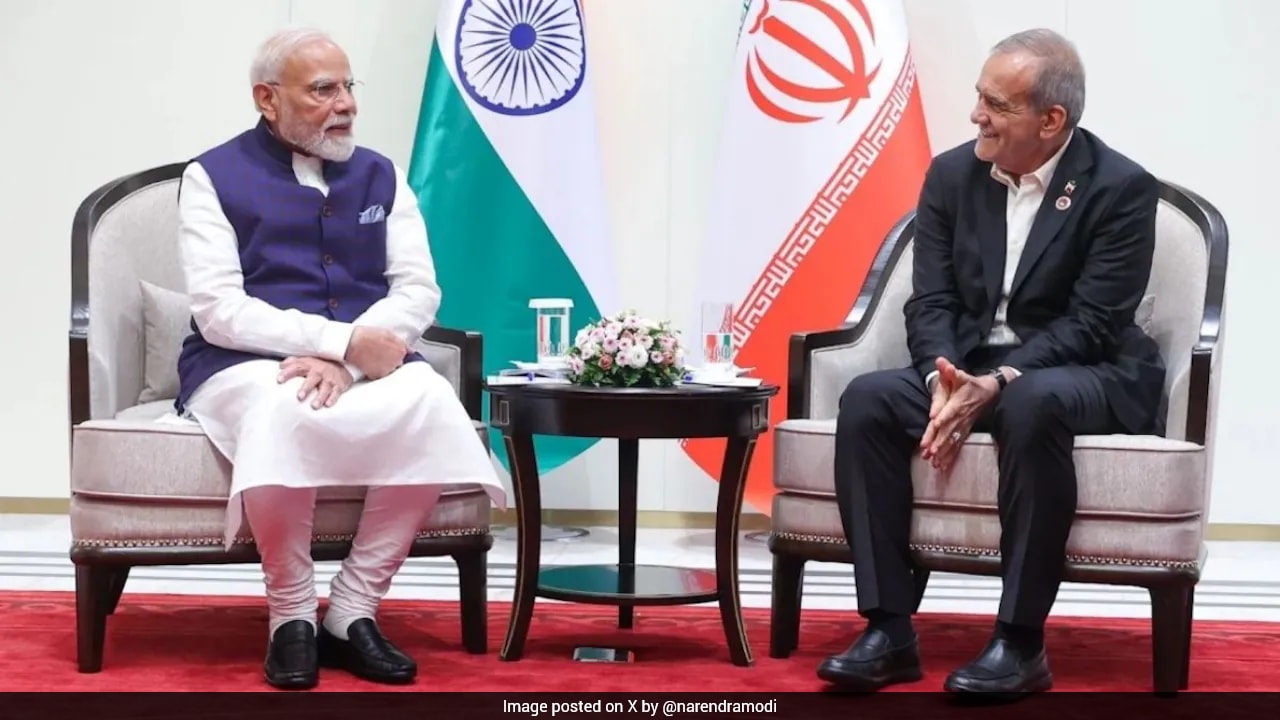
Recent high-level engagements, including discussions between Indian Prime Minister Narendra Modi and Iranian President Masoud Pezeshkian on the sidelines of the Shanghai Cooperation Organisation summit, show that both nations want to keep their relationship functional. But maintaining this partnership requires walking a tightrope. Let's look at what is actually driving this relationship, where the friction lies, and why neither capital is ready to give up on the other. For a different perspective, consider: this related article.
The Real Weight of History and Culture
If you look past the modern headlines about trade restrictions and maritime security, the bedrock of India-Iran relations is centuries old. Cultural exchanges, ancient trade routes, and shared linguistic roots mean that diplomacy between the two countries doesn't start from scratch. When leaders talk about civilizational bonds, they mean a deep-seated historical familiarity that survives temporary political storms.
Yet, history alone doesn't pay for cargo ships or maintain port operations. Modern economic pragmatism keeps the engine running. Iran sits at a critical geographic crossroads connecting South Asia to Central Asia and Russia. For New Delhi, keeping an active line of communication with Tehran is vital for regional stability and long-term connectivity goals. Similar coverage on this trend has been shared by The Washington Post.
Navigating Sanctions and the Chabahar Reality
You can't talk about India-Iran ties without addressing the elephant in the room: economic sanctions. Over decades, Western restrictions have complicated official government-to-government commerce. In fact, most trade interactions now fall to private parties who have to navigate complex international financial systems on their own.
Take the Chabahar Port project, long heralded as a strategic game-changer for Indian access to Central Asia without relying on Pakistan. Changes in sanction exemptions and regional security dynamics in West Asia have forced both countries to constantly adapt their approach. India has had to carefully manage its physical footprint and contractual commitments at the Shahid Beheshti terminal while keeping dialogue open with Iranian stakeholders to find sustainable paths forward.
It's messy. It's complicated. Progress rarely moves in a straight line when international compliance officers are breathing down the necks of corporate exporters. Still, neither side is walking away from the table.
Multilateral Platforms as Diplomatic Safety Valves
When bilateral projects face headwinds, multilateral forums step in to keep the relationship warm. Platforms like the Shanghai Cooperation Organisation and upcoming summits provide neutral turf for leaders to hash out differences and align on regional security.
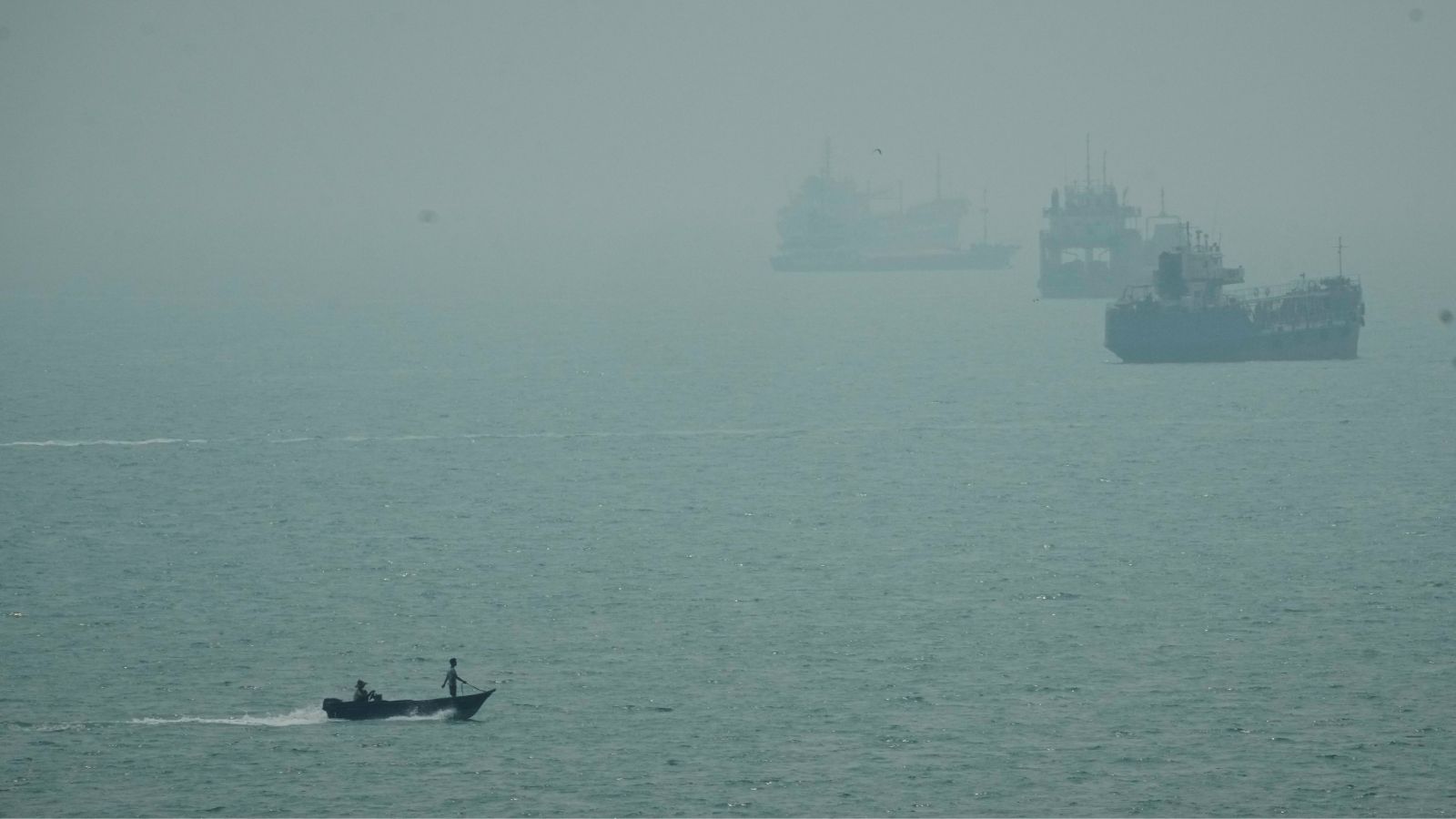
During recent talks, discussions extended far beyond local trade. President Pezeshkian and Prime Minister Modi tackled broader West Asian stability, the safety of commercial shipping lanes, and the protection of civilian seafarers caught in regional crossfire. Iran has actively sought India's diplomatic weight to advocate for peace and de-escalation. New Delhi, for its part, consistently emphasizes that dialogue and diplomacy remain the only viable routes forward.
As preparations continue for upcoming multilateral gatherings in New Delhi, both nations are looking for ways to expand and diversify their trade baskets. They want to prove that independent sovereign states can maintain historic friendships even when the rest of the world is deeply fractured. Watch how these commercial channels adapt in the coming months, because they offer a masterclass in pragmatic foreign policy under pressure.