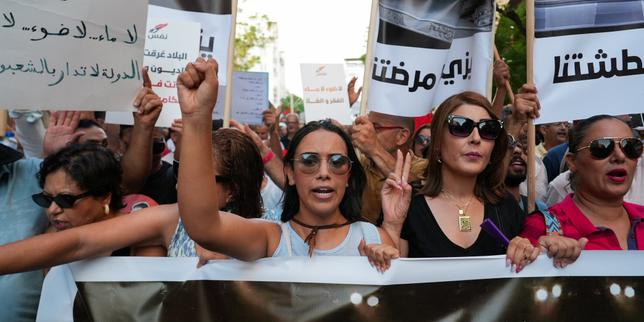
You don't need to look very far to see that Pakistan's political landscape remains entirely volatile. Behind closed doors at Adiala Jail, former Prime Minister Imran Khan faces conditions that have triggered fierce legal battles and non-stop protests. His family members, particularly his sisters Aleema and Uzma Khan, have repeatedly gone public to expose the harsh reality of his imprisonment. They claim he faces severe psychological pressure and physical isolation.
When family members emerge from brief, heavily restricted meetings, the details they share paint a grim picture. Legal petitions filed in the Islamabad High Court challenge what they call prolonged and unlawful solitary confinement. According to court documents brought forward by his legal team, Khan has spent roughly twenty-two hours a day locked away from human contact over extended stretches without proper legal sanction.
Understanding the Legal Battle Over Imran Khan Isolation
The core dispute centers on prison rules and fundamental rights. Pakistani prison regulations dictate that solitary confinement cannot be handed down arbitrarily by jail administrators. It requires specific judicial sentencing and strict time limits, usually capped at fourteen days. Yet, Khan's defense argues that his ongoing isolation violates these protections entirely.
Courts have previously ordered twice-weekly access for his lawyers, family members, and party associates. Despite these judicial directives, authorities frequently block scheduled visits. This creates an information vacuum. When supporters cannot verify his safety firsthand, rumors spread rapidly across social media platforms, fueling street protests and escalating tensions with the military establishment.
Health Concerns and Medical Neglect Allegations
Isolation is only part of the story. Family petitions also highlight deteriorating health behind bars. Legal filings allege that Khan suffered a significant loss of vision in his right eye, noting that despite multiple visits to a medical facility, neither his lawyers nor his family received transparent updates regarding his diagnosis or treatment efficacy.
When prominent political figures are detained under intense state scrutiny, medical transparency becomes a lightning rod for controversy. Denying consistent access to independent doctors only deepens public suspicion. Supporters view these restrictions not as standard security protocols, but as a systematic effort to break his political resolve.
The Broader Political Fallout
The standoff at Adiala Jail extends far beyond one man. It reflects a deeper structural confrontation between the state apparatus and the Pakistan Tehreek-e-Insaf party. Every time a family member details the conditions of his confinement, thousands of loyalists mobilize in response.
If you want to track where this crisis goes next, keep an eye on the Islamabad High Court rulings and the persistence of family-led legal challenges. The government faces mounting pressure from both domestic friction and international human rights observers. Until transparent, unfettered access is granted, the narrative of mistreatment will continue to dominate headlines.
To explore more details regarding these prison condition allegations, watch this Uzma Khan Raises Concerns Over Imran Khan's Solitary Confinement video.