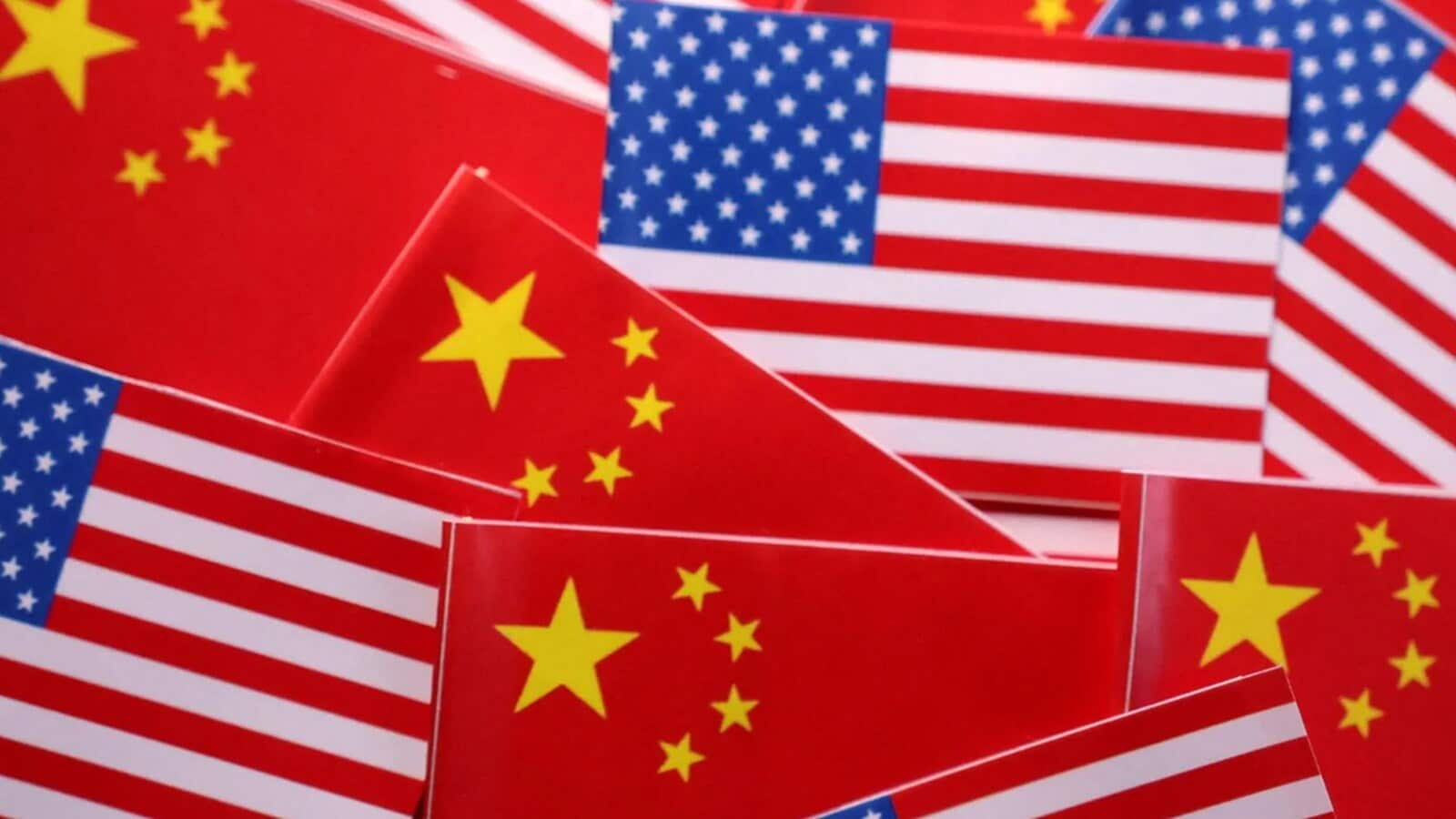
Beijing just bought everyone sixty more days of breathing room, and half the supply chain managers I talk to are already celebrating like the trade war is over. It isn't. When China extends its suspension of the 24% tariff on US imports for two months, it isn't waving a white flag or handing out permanent tax relief. It's hitting the snooze button on a very loud, very expensive alarm clock.
If you move goods across the Pacific, you need to understand what this two-month window actually represents. Most coverage treats tariff pauses like a sudden burst of goodwill between Washington and Beijing. Having spent years watching how the Customs Tariff Commission of the State Council operates, I can tell you it's pure pragmatism. Both economies are nursing sore spots, and neither side wants a sudden spike in import duties wrecking seasonal inventory cycles or domestic inflation numbers right now.
Let's strip away the diplomatic fluff and look at the mechanics. A temporary suspension means the underlying 24% retaliatory duty is still sitting on the books, loaded and ready to fire the second those sixty days expire. You aren't looking at a policy repeal. You're looking at a short-term administrative waiver that requires active customs compliance and constant calendar watching.
Why China Extends the Suspension of 24% Tariffs on US Imports
Trade policy rarely moves because politicians suddenly decide to be nice. Beijing's decision to keep that 24% additional tariff on ice for another two months comes down to domestic supply chain reality and ongoing diplomatic calibration.
China relies heavily on specific American inputs that aren't easy to swap out overnight. Think high-grade agricultural commodities, specialized industrial chemicals, medical devices, and certain semiconductor manufacturing equipment. Slapping an extra 24% tax on those goods doesn't just punish American exporters. It immediately squeezes Chinese factories and domestic consumers who have to absorb the higher landed cost.
There's also the negotiation angle. Extending a tariff suspension in short, two-month increments gives Beijing maximum diplomatic flexibility. If trade talks in Washington or Geneva hit a wall next month, Chinese regulators don't have to draft new legislation to retaliate. They simply let the sixty-day clock run out, and the 24% rate snaps back into place automatically. It's a classic low-friction pressure valve.
The Difference Between a Exclusion and a Suspension
People mix these up constantly, and the mistake costs real money at the port of entry.
An exclusion typically requires an importer in China to apply for a specific exemption tied to a Harmonized System (HS) code, proving that no viable domestic substitute exists. It's paperwork-heavy and often company-specific. A broad suspension, on the other hand, pauses the collection of that additional tariff across an entire list of designated US-origin goods automatically.
Even with an automatic suspension, customs brokers still have to declare the right tariff exemption codes on the entry summary. If your freight forwarder files the paperwork using outdated tax tables, your shipment gets billed the full punitive rate anyway. Getting a refund from Chinese customs after the fact is a bureaucratic nightmare that can tie up working capital for six months or longer.
The Hidden Traps Inside a Two-Month Tariff Window
Sixty days sounds like plenty of time until you actually try to book ocean freight from Long Beach or Savannah to Shanghai or Ningbo.
Transit times across the Pacific typically eat up 14 to 25 days depending on port congestion and carrier routing. Add another week for inland drayage, export customs clearance, and loading delays. Suddenly, that generous two-month tariff suspension shrinks to a tiny three-week ordering window.
Here is where importers get burned every single time:
- The "Bill of Lading" Trap: Many shippers assume that if a container leaves a US port before the two-month deadline expires, it qualifies for the suspended rate. Wrong. Chinese customs assesses duties based on the date the import declaration is formally accepted at the destination port, not when the ship leaves California. If a typhoon delays your vessel by four days and you miss the cutoff, you're paying that 24% surcharge out of pocket.
- Contract Pricing Blind Spots: If you sell on Delivered Duty Paid (DDP) terms, you carry 100% of the tariff risk. When a 24% tariff suddenly reactivates mid-transit, your entire profit margin evaporates before the container even clears the terminal.
- Inventory Bullwhip Effects: Whenever Beijing announces a short-term extension, importers rush to front-load shipments. Container spot rates jump, warehouse space in coastal hubs tightens up, and customs inspection rates climb because ports are flooded with last-minute volume.
Which Sectors Feel This Two-Month Extension Most
Not every American export sits under the same tariff umbrella. The 24% additional duty structure targets specific retaliatory tranches built up over several rounds of bilateral trade disputes.
Agriculture remains the biggest flashpoint. US soybeans, corn, pork, and sorghum live and die by thin commodity margins. A 24% tariff effectively locks American farmers out of the Chinese market in favor of Brazilian or Argentine suppliers. Extending the suspension keeps export terminals in the Pacific Northwest and Gulf Coast humming, at least for the next eight weeks.
Industrial manufacturing and energy products sit right behind agriculture. Liquefied natural gas (LNG), crude oil, specialty plastics, and precision automotive components rely on predictable duty rates to fulfill multi-year supply contracts. When the tariff stays suspended, Chinese buyers honor existing purchase agreements instead of invoking force majeure or renegotiating spot discounts.
Consumer goods and luxury items face a slightly different dynamic. High-end cosmetics, apparel, and packaged foods sold through cross-border e-commerce channels already operate under specialized bonded warehouse rules, though general trade imports still take the full hit whenever suspensions lapse.
How Smart Businesses Use These 60 Days
You shouldn't treat a two-month tariff extension as a reason to relax. Treat it as a paid grace period to fix vulnerabilities in your cross-border operations.
First, audit your Incoterms immediately. If you are a US exporter selling into China, push hard to move away from DDP agreements on any shipment scheduled to arrive within two weeks of the suspension expiration date. Shift to Cost, Insurance, and Freight (CIF) or Free on Board (FOB) terms so the buyer assumes the customs clearance risk on their side of the water. If the buyer refuses, build a specific tariff escalation clause into your purchase orders that automatically splits or passes through any duty increase exceeding 5%.
Second, verify your HS code classifications down to the ten-digit level. Tariff suspension lists published by China's Ministry of Finance are strictly defined by exact tariff lines. A single digit difference in how a valve, circuit board, or chemical compound is classified determines whether your product sails through duty-free or gets slammed with a 24% bill. Have an independent trade compliance specialist review your product catalog rather than relying blindly on your freight forwarder's default entry codes.
Third, run the math on third-country processing or bonded storage. If your supply chain has any flexibility, look into whether utilizing bonded logistics parks in ports like Shanghai's Yangshan or Shenzhen's Qianhai makes sense for staging inventory. Goods sitting in a bonded zone haven't officially entered Chinese domestic commerce yet, giving you a bit more tactical control over when you trigger formal customs clearance—though you still can't dodge a rate hike forever if the suspension expires before you pull the stock out.
Fourth, check your foreign exchange hedging. Tariff headlines move the offshore yuan (CNH) almost instantly. When trade tensions flare up and tariff suspensions look shaky, the yuan tends to weaken against the dollar, making American imports even more expensive for Chinese buyers on top of the duty hike. Lock in forward contracts for receivables due over the next 90 days so currency swings don't compound your tariff headaches.
Don't build your Q1 or Q2 financial forecasts assuming Beijing will just keep rolling this suspension over indefinitely. Short extensions exist because policymakers want to keep their fingers on the trigger. Audit your open purchase orders today, tighten your shipping cutoffs so nothing gets caught on the water past day fifty, and make sure your contracts explicitly state who pays the bill if that 24% tariff snaps back on schedule.