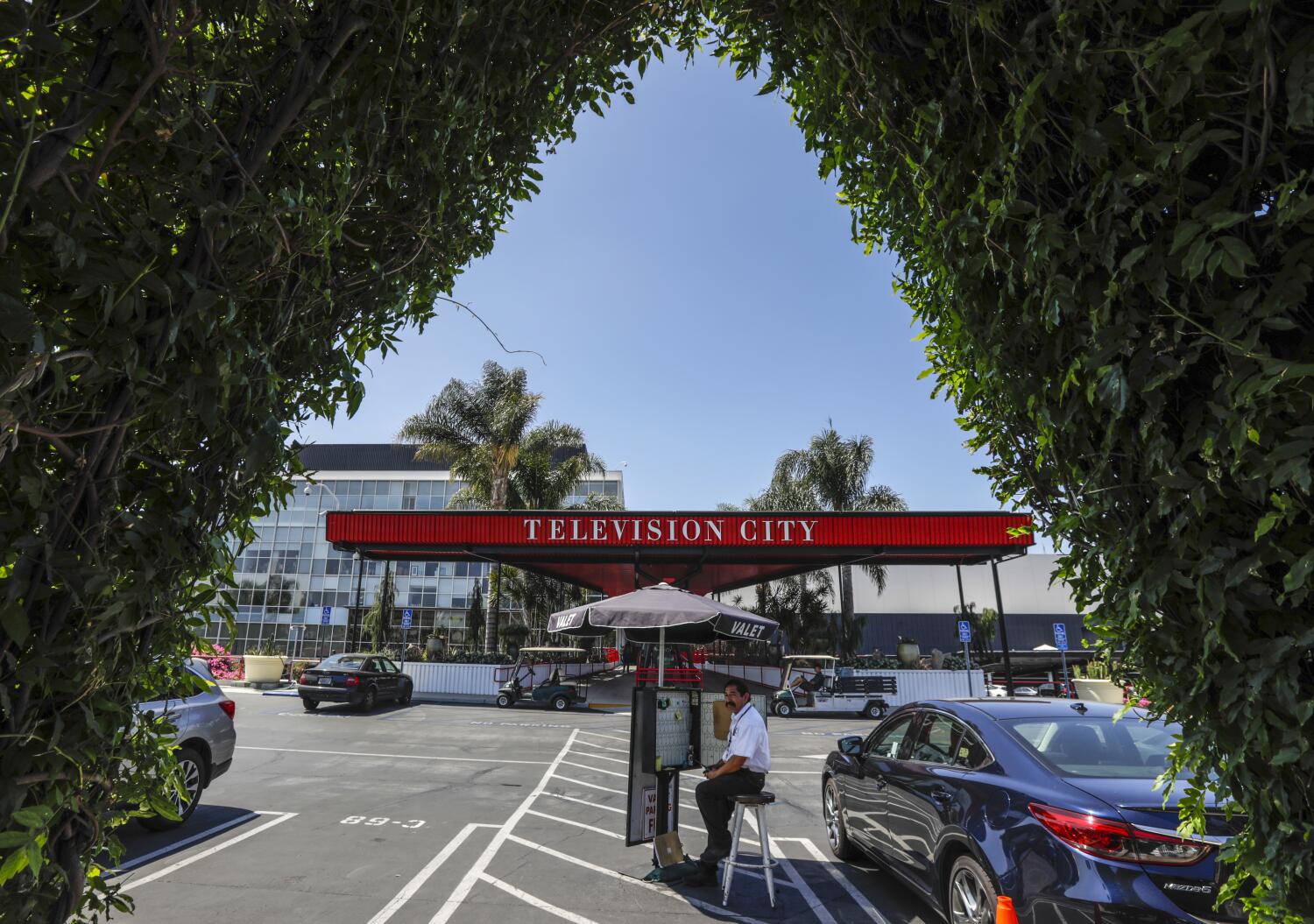
The physical infrastructure of Hollywood is fracturing. For decades, the massive soundstages at 7800 Beverly Boulevard served as the beating heart of broadcast entertainment. Shows like The Price Is Right, All in the Family, and The Carol Burnett Show built their legacies inside those stark modern walls. But iconic history doesn't pay the bills in a depleted production economy.
Hackman Capital Partners, the real estate investment firm that shelled out $750 million to buy Television City from CBS back in 2018, is facing massive financial strain. The company has piled up $357 million in debt on the property. Rumors are swirling that the historic 25-acre complex in the Fairfax District may be sold off, marking yet another brutal blow to local Los Angeles production. For an alternative perspective, consider: this related article.
This isn't an isolated incident. Just recently, Hackman defaulted on a $1.1 billion mortgage for Radford Studio Center in Studio City, turning the keys over to lenders Goldman Sachs. If Television City goes on the block, it proves that the very foundation of studio real estate is struggling to survive.
The Reality of Empty Soundstages
People inside the industry know exactly why this is happening. The local production landscape has completely dried up. Los Angeles film and television shoot days have plunged aggressively over the last two years. Studio lots that used to require bookings months or years in advance are sitting empty. Similar analysis on the subject has been published by The Motley Fool.
When Hackman bought Television City, the plan seemed brilliant. They wanted to execute a massive $1.25 billion modernization project, adding over 1.4 million square feet of new soundstages and production support space. The Los Angeles City Council even gave the final green light to the plan. On paper, it looked like a major win for local jobs.
In reality, building massive new facilities makes zero sense when the existing ones are ghost towns. Entertainment companies are slashing budgets, canceling shows, and moving productions to international hubs like the UK, Canada, and Australia. Foreign tax incentives and cheaper labor costs make shooting in California look like a financial liability.
Local crews are feeling the pain. Independent studio operators can't collect rent on empty spaces. When your tenant base evaporates, you can't service hundreds of millions of dollars in debt.
Real Estate Bets Collide with Production Realities
The core mistake real estate private equity made was assuming the streaming boom would last forever. During the peak of the streaming wars, soundstages were treated like gold mines. Wall Street rushed to buy up historic lots, banking on endless demand from Netflix, Amazon, and Apple.
But the bubble burst. Peak TV is officially over. Entertainment giants are consolidating, laying off thousands of workers, and focusing on profitability rather than sheer volume of content.
Look at what happened with Radford Studio Center. A massive $1.1 billion default doesn't happen overnight. It happens when you overleverage an asset based on flawed projections of infinite growth. Television City is facing the exact same structural trap.
Some local advocates suspect that the grand expansion plans were never truly about revitalizing Hollywood production. Skeptics argue the real goal was to secure massive development entitlements from the city to flip the property for a profit. But flipping a massive studio lot requires a buyer with deep pockets who actually believes the entertainment business is turning around. Good luck finding one right now.
What This Means for Local Creators
If you make a living working below the line in Southern California, this news is terrifying. It isn't just about losing a piece of cultural history. It's about the rapid disappearance of the local infrastructure that keeps people employed.
When independent studio operators lose control of their properties, the future of those spaces becomes highly uncertain. Lenders don't want to run Hollywood soundstages. They want their money back.
If a buyer like billionaire developer Rick Caruso steps in, the destiny of 7800 Beverly Boulevard could shift entirely away from entertainment. The lot sits right next to The Grove, a massive retail powerhouse. It wouldn't take much for a developer to look at those 25 acres and see high-end luxury apartments or retail extensions rather than soundstages.
Even with Historic-Cultural Monument protections safeguarding the original William Pereira facade, the internal space can be heavily modified. Virtual production partnerships, like Television City's recent tech collaboration with Orbital Studios, show that operators are desperately trying to pivot to smaller, tech-driven setups. But a few virtual LED volumes won't cover a $357 million debt mountain.
Your Next Steps in a Shifting Industry
The era of relying on traditional Los Angeles studio lot infrastructure is winding down. If you want to protect your career or business from the fallout of these real estate failures, you need to adapt immediately.
- Diversify your geographic footprint. Stop assuming work will come to Southern California. Build relationships with production hubs in states with stable, growing tax incentives like Georgia, or look into international co-productions.
- Pivot toward lean production models. The days of massive, bloated studio budgets are gone. Learn the ins and outs of independent financing and agile, smaller-scale physical production.
- Track commercial debt maturities. Keep a close eye on which independent studio lots are heavily leveraged. Avoid signing long-term commercial leases or anchoring your business to facilities that face high foreclosure risks.
The potential sale of Television City isn't just a corporate real estate transaction. It's an explicit warning sign that the traditional Hollywood business model is running out of cash.