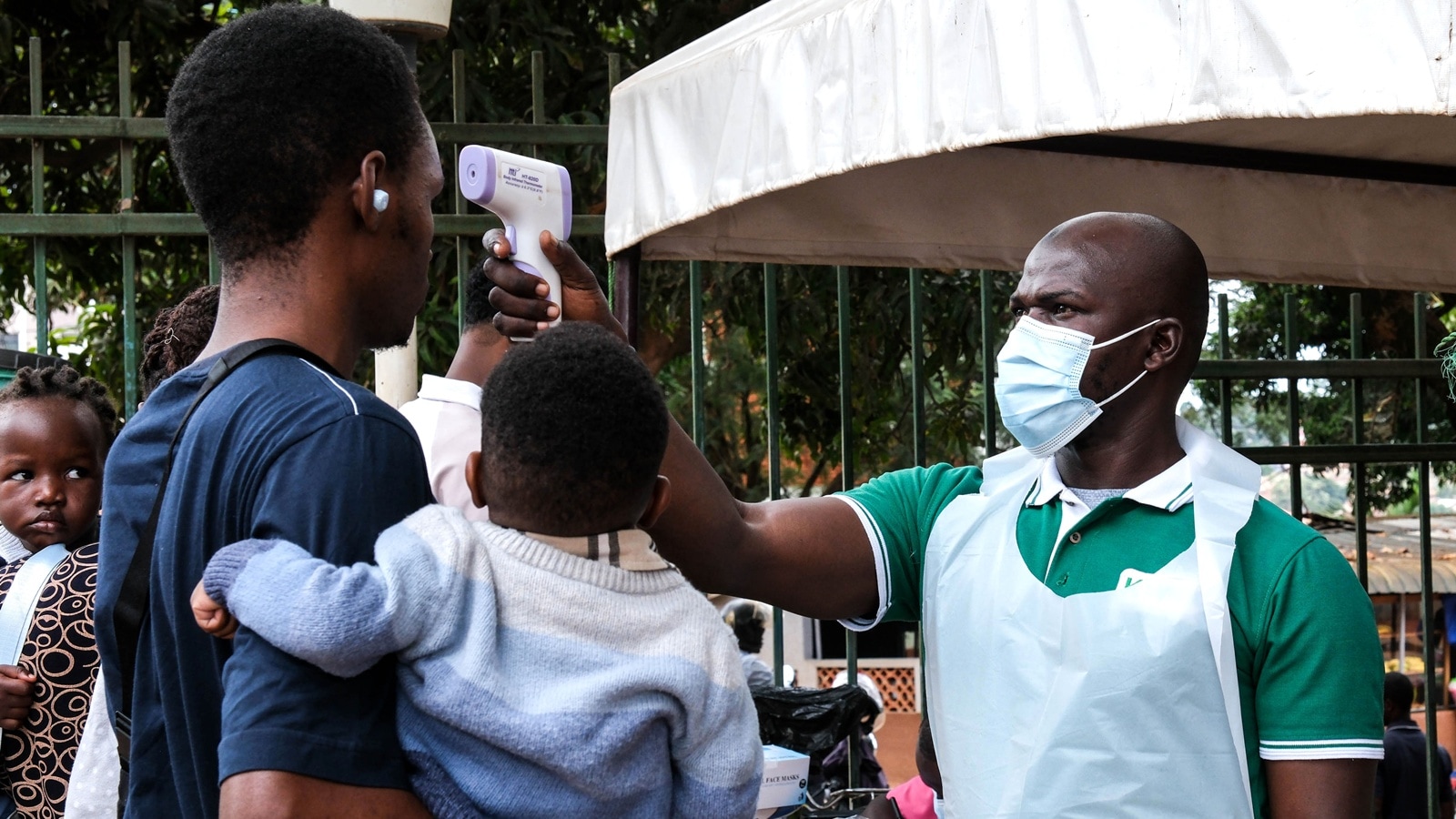
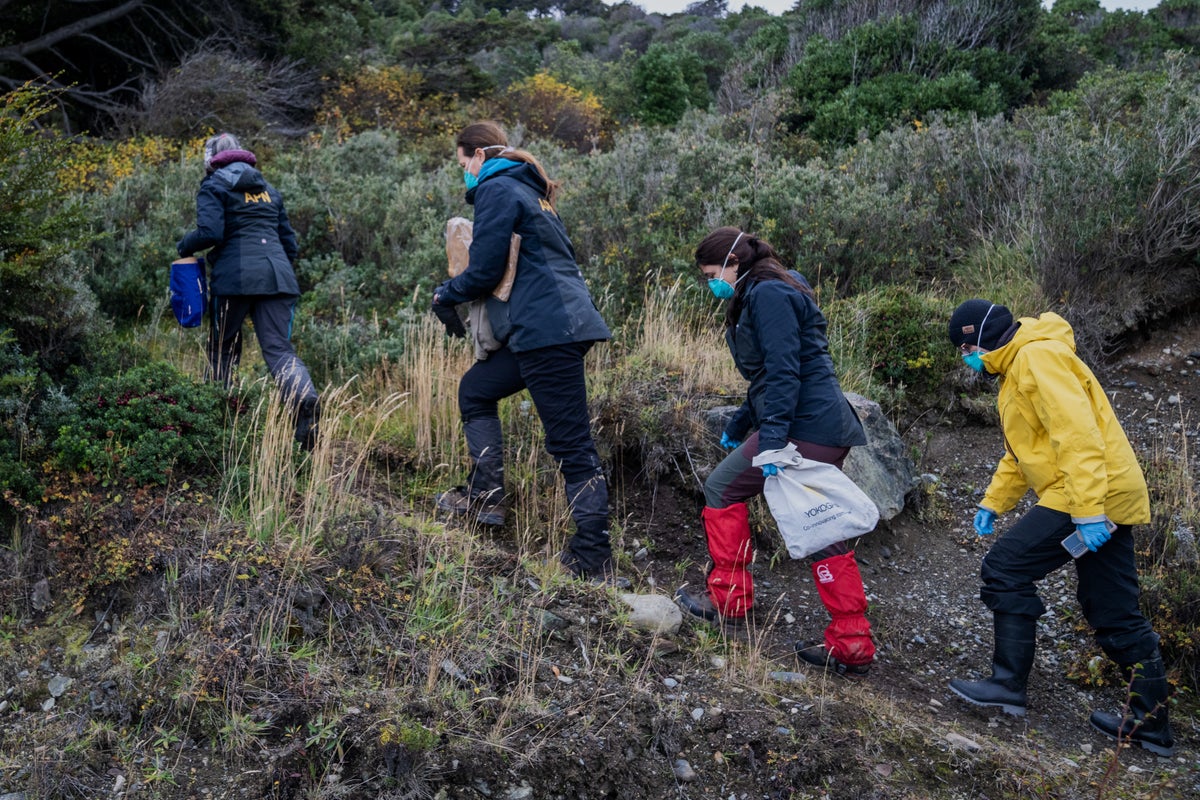
Setting up an Ebola treatment centre in the eastern forests of the Democratic Republic of the Congo is a grueling, tactical operation. Workers clear dense brush under a relentless sun, hammering plastic sheeting to wooden frames while local militia movements dictate when supply trucks can move. In May 2026, as the country faces its 17th documented Ebola outbreak, these makeshift field clinics are once again rising in Ituri Province. But the headlines tracking the climbing death toll are missing the real crisis.
The primary threat to global health security is not the construction delay of these physical isolation wards, but a systemic failure driven by international funding cuts and a biological blind spot. The World Health Organization recently declared this outbreak a Public Health Emergency of International Concern. Suspected cases surged from 246 to well over 500 in a matter of 96 hours. The explosion of cases is a direct consequence of a massive, quiet rollback of Western humanitarian aid over the last year, compounded by the emergence of a rare viral strain that completely evades current diagnostic habits and vaccines.
The Blind Diagnostic Trap
For years, the global health apparatus trained its sights exclusively on the Zaire ebolavirus strain. The Zaire strain caused the catastrophic West African epidemic and the massive outbreaks in eastern Congo between 2018 and 2020. Millions of dollars poured into Ervebo, a highly effective vaccine engineered specifically against the Zaire strain. Diagnostic protocols at local clinics in Bunia and Mongbwalu were similarly optimized to spot this specific pathogen.
When a health worker developed an intense fever, severe malaise, and vomiting in late April 2026, the local laboratory tests came back negative. Because the patient lacked the classic, early-stage external hemorrhaging, clinical staff assumed they were dealing with malaria or a severe bacterial infection. Four more healthcare workers died in rapid succession within days.
The negative results occurred because this outbreak is caused by the Bundibugyo ebolavirus, a distinct species within the genus. The standard rapid test kits deployed across frontline clinics simply do not catch it. It took weeks for blood samples to travel across the country to the Institut National de Recherche Biomédicale in Kinshasa to uncover the truth. By the time genomic sequencing confirmed the Bundibugyo strain, the virus had already hitched a ride on the backs of thousands of highly mobile gold miners and displaced people moving through Ituri. It has since crossed the border into Uganda and penetrated urban transport hubs like Goma and Butembo.
The biological reality of the Bundibugyo strain presents a terrifying challenge.
- Zero Approved Vaccines: Ervebo offers little to no cross-protection. Health officials are debating the deployment of experimental candidates, but getting them to the frontline will take months.
- Atypical Symptoms: The virus presents as a standard tropical fever during its initial days. Nosebleeds and severe hemorrhaging often do not appear until day five, allowing patients to expose entire wards before isolation protocols are triggered.
- Uncertain Fatality: Historically, Bundibugyo carries a case fatality rate ranging between 25% and 50%. While lower than Zaire's terrifying 70% rate, its stealthy transmission profile makes it far harder to box in.
The Defunding of the Frontline
The rapid spread of this epidemic is not an act of God. It is a predictable budget item.
In March 2025, major international donors, led by the United States government, enacted sweeping cuts to public health and humanitarian aid budgets across central Africa. Organizations like the International Rescue Committee were forced to drastically scale back their operations. In Ituri province—the current epicenter of the outbreak—the IRC had to shutter its disease surveillance and water infrastructure programs in three out of five health zones.
The consequences of these cuts were immediate and severe.
Frontline Surveillance Gaps (Post-March 2025 Cuts)
├── Closed Triage Zones
├── Terminated Border Health Screening
└── Depleted Personal Protective Equipment (PPE) Reserves
When the funding dried up, handwashing stations rotted, triage tents were dismantled, and local community health observers were laid off. For over a year, there was effectively no early-warning system in the remote mining communities surrounding Mongbwalu. The virus circulated in a vacuum of data.
The international response remains erratic. While some political figures in Washington lambast the slow reaction of global bodies, the hard truth is that the ground-level network designed to catch outbreaks before they go global was dismantled by Western fiscal policy a year ago. Throwing $13 million at 50 new clinics today is a reactive patch on a dam that has already burst.
The Ritual and the Shadow Economy
To truly understand how Ebola evades treatment centres, you have to leave the government press briefings and look at the cultural and economic realities of eastern Congo. In Bunia, the early trajectory of this outbreak was dictated not by a laboratory, but by a funeral.
After an early victim died in a local medical facility, family members took custody of the body to return it to Mongbwalu. Dissatisfied with the quality of the cheap coffin provided by the clinic, the family opened the casket, handled the highly infectious corpse, washed it according to tradition, and transferred it to a new coffin. This single act of communal grief transformed a solitary death into a superspreading event.
Public health officials frequently make the mistake of using heavy-handed, coercive quarantine measures to halt these practices. It backfires. When military escorts enforce forced burials or aggressively seal off villages, communities stop cooperating entirely. Bodies are buried secretly at night in the forest. Symptomatic individuals flee the grid, carrying the virus deeper into the interior.
Compounding this is the region's vast, informal gold-mining network. Thousands of young men move constantly between unregulated jungle mines, shifting camps every few weeks based on rumors of new deposits. They avoid formal border checkpoints and shun state infrastructure. If an unmonitored miner contracts Ebola, he will likely ride a motorbike taxi to the nearest market town, exposing a dozen people along the way, before collapsing in a private clinic that lacks basic gloves, let alone an isolation ward.
Moving Beyond the Tents
Building isolation clinics is the easiest part of an Ebola response. It provides a clean, quantifiable metric for international agencies to show that they are taking action. But an isolation ward is a terminal node; it only treats the people who have already fallen through every single crack in the public health safety net.
If the goal is to prevent the Bundibugyo strain from establishing a permanent, uncontainable foothold in East Africa's major urban centers, the strategy must pivot away from the obsession with physical infrastructure.
Field hospitals mean nothing if the population views them as places where people go to die alone in plastic cubes. True containment requires immediate, hyper-local funding for oral rehydration and infection control inside existing, trusted community clinics. It demands the immediate distribution of specific diagnostic tools capable of identifying non-Zaire strains at the village level. Most importantly, it requires treating local communities as partners rather than vectors to be policed.
The death toll will continue to climb as long as the international community treats these outbreaks as sudden, unpredictable disasters rather than the direct, mathematical consequence of their own funding withdrawals.