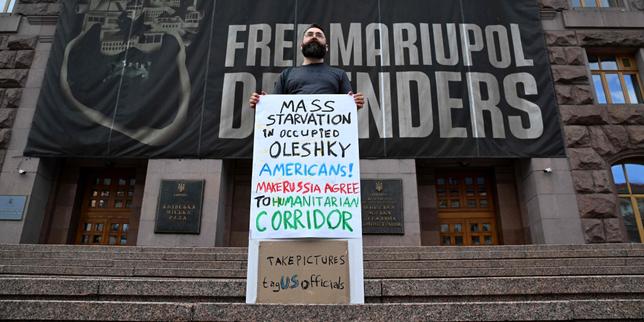
Food is running out. People are rationing flour, boiling grass, and waiting for humanitarian corridors that rarely open. Behind the shifting front lines of southern Ukraine, life in occupied settlements has ground down to a grim struggle for basic calories. Olechky, a small town sitting quietly on the left bank of the Dnipro River in the Kherson region, offers a stark window into this quiet emergency. While headlines chase missile strikes and counter-offensives, the slow-motion crisis of food insecurity eats away at the people left behind.
When you trap thousands of civilians under strict military occupation, cut off supply chains, and watch local markets collapse, hunger stops being an accidental byproduct of war. It becomes a daily reality. Reports from human rights monitors and local accounts paint a picture of an isolated community where getting bread means navigating checkpoints, exorbitant prices, and constant suspicion.
Understanding what is happening in Olechky requires looking past the broad maps of the war. It demands examining how occupation logistics destroy local food systems.
The Anatomy of an Isolated Town
Olechky sits directly across the river from Kherson city. Before the 2022 invasion, it was a quiet hub surrounded by agricultural lands, pine forests, and small businesses. Its geography made it both vulnerable and strategically vital from the opening days of the conflict. When Russian forces seized the left bank, the town effectively sealed shut.
The collapse of the food supply didn't happen overnight. It was systematic.
First came the disruption of regional transport. Trucks carrying produce from neighboring districts could no longer cross safely. Bridges were damaged, pontoon crossings proved unreliable, and military checkpoints turned a routine thirty-minute delivery into a multi-day gauntlet. Local farmers found themselves unable to sell their harvests locally, while shop shelves emptied within days.
Second, the currency shift and economic strangulation made whatever food remained unaffordable. Russian rubles were introduced forcibly, banking systems failed, and cash became scarce. Pensions from Kyiv stopped arriving reliably, and pensioners—who make up a significant portion of the remaining population—were forced to rely on meager occupation payouts or barter.
Inflation skyrocketed. Basic goods like sugar, flour, and cooking oil cost multiples of what they did before the invasion. When you have no stable income, paying triple for a bag of flour isn't just difficult. It is impossible.
The Collapse of Agriculture and Local Markets
You cannot talk about hunger in Olechky without talking about the land. This part of the Kherson region is famous for its sandy soil, greenhouses, and vegetable production. It used to feed large portions of southern Ukraine.
Occupation changed all of that.
Farmers faced an impossible choice. Cooperating with the occupation administration meant keeping farms running under hostile oversight. Refusing meant losing your land, machinery, or worse. Many greenhouses were abandoned. Irrigation channels—crucial for farming in this arid southern climate—suffered from neglect, fighting, and the catastrophic disruption caused by the Kakhovka dam destruction downstream.
Without water, commercial agriculture died. Without fuel and fertilizer, backyard farming became difficult. People began growing potatoes and onions in tiny patches of yard just to survive the coming months.
Markets still exist, but they function like shadows of their former selves. Vendors sell small quantities of goods brought in through irregular channels from Crimea or Russia, marked up steeply. Locals walk through the stalls looking at prices they cannot pay, buying only what keeps them alive for another day.
The Psychological Toll of Scarcity
Physical hunger is only half the battle. The mental weight of not knowing where your next meal comes from wears people down in ways bullets and sirens cannot.
Elderly residents who spent their lives working hard to build a secure retirement now find themselves standing in lines for hours hoping for a handout of stale bread or pasta. Pride vanishes when survival takes over. Neighbors share whatever scraps they have, but resources run dry across the board. There is no surplus left to share.
Medical supplies have dwindled alongside food. Malnutrition hits the elderly and children hardest. Chronic illnesses flare up when diets consist entirely of cheap carbohydrates and whatever canned goods are available. Pharmacies are stocked with unfamiliar medications or completely bare, turning routine health management into a desperate hunt.
Information is another scarce resource. With internet and mobile signals heavily monitored or cut off, rumors fill the vacuum. People trade whispers about upcoming evacuations, price drops, or humanitarian aid drops that may or may not materialize.
Why the World Misses the Slow Crisis
Global news cycles love speed. They love dramatic footage of explosions, political summits, and sudden territorial gains. A town slowly starving behind checkpoints doesn't fit neatly into a fast-paced broadcast.
Yet, this is where the true human cost of protracted occupation accumulates.
International aid organizations face immense barriers trying to reach left-bank settlements under Russian control. Security guarantees are rarely honored, and permission requests sit on desks while people go hungry. The result is an information blackout paired with an aid vacuum.
We know the situation in Olechky mirrors conditions in other occupied towns across the Zaporizhzhia and Kherson regions. Wherever supply lines are weaponized and local populations are treated with suspicion, food security vanishes.
Ignoring these areas allows a quiet humanitarian catastrophe to compound out of sight. Documenting the reality of places like Olechky isn't just about recording history as it happens. It is about acknowledging that the consequences of this war extend far beyond the active combat zones, reaching into the kitchens and pantries of everyday people who simply want to live their lives in peace.
The resilience of ordinary citizens keeps communities in Olechky breathing through the winter cold and summer heat. But resilience has limits. When the soil dries up, the wallet empties, and the market stalls empty out, human endurance can only stretch so far before breaking.
Keep watching these forgotten corners. That is where the real story of survival unfolds.